Loss Leader Pricing: When Losing Money Up Front Wins Bigger Deals


Does loss leader pricing pay off for your business in the long run? Or is your cheapest offer quietly losing money? Loss leader pricing only works when the first sale leads somewhere bigger. Without a planned second purchase, a low price is just a discount that trains customers to wait for deals.
I learned this the expensive way when I was traveling in Istanbul. A free cup of tea turned into baklava, then a full lunch, then a $10,000 rug that I still own. On a recent Marketing School episode, my co-host Neil shared a similar story about a friend who runs gas stations at break-even but makes his money inside the store.
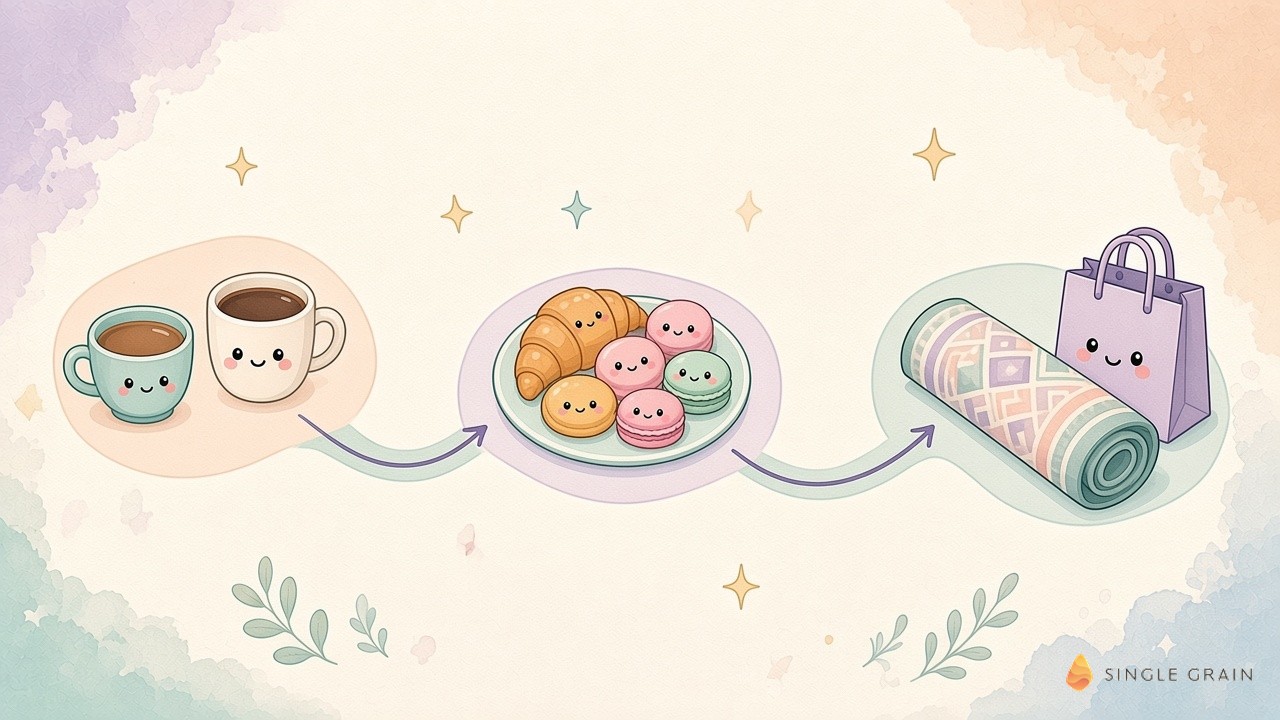
Both stories show the same idea. The cheap first offer, like the free cup of tea and baklava, is a funnel. It was never meant to be a discount. This guide covers what loss leader pricing is, real examples, how to use it in B2B and services, and how to price your entry offer around what the next sale is worth.
TL;DR
- A loss leader is priced at or below cost on purpose. The goal is to bring customers in so they buy more profitable items or services later.
- It only works with a planned second sale. Price the entry offer around what the follow-up purchase is worth instead of what competitors charge.
- Retail examples are everywhere. Costco’s $1.50 hot dog combo, cheap gas with marked-up snacks, and low-priced printers with pricey ink all follow the model.
- Services can use it too. A low-cost audit, pilot, or report can open the door to a larger retainer if the path is clear.
What Is Loss Leader Pricing?
Loss leader pricing is a strategy where a business sells a product or service at or below its cost to attract customers. Investopedia’s definition of a loss leader puts it simply: the loss on one item is meant to be made up by sales of other, more profitable items.
How a Loss Leader Strategy Makes Money
The math depends on three things:
- The cost of the entry offer. How much you lose on each first sale.
- The attach rate. What share of those buyers go on to buy something else.
- The margin on the follow-up. How much profit the second purchase brings in.
When the follow-up profit, multiplied by the attach rate, beats the loss on the entry offer, the strategy pays off. Otherwise, you’re just paying people to visit.
Loss Leader vs Discount
A discount lowers the price of something you’d sell anyway. A loss leader is designed to start a relationship that leads to more sales. The difference is intent. One cuts margin, while the other is a planned investment in customer acquisition.
That framing matters once you look at how real businesses use it.
Loss Leader Examples That Work
The best loss leader examples share a pattern. The first offer is visible and easy to say yes to, while the profit sits a step later in the experience.

The Turkish Rug Funnel
When I was around 30, I visited Istanbul for an EO event with two friends. We stood out, and a scout on the street invited us into a rug shop. First came free tea. Then baklava in the next room.
Then an elevator ride to a full lunch of skewers and rice, while rugs rolled out one after another. The shop owned the restaurant next door, so the food cost them little. By the time they showed the high-end rugs, we felt like we owed them. I spent $10,000.
The funnel didn’t stop there. The seller still follows up every year with photos of new rugs. The hospitality was the loss leader, and the follow-up keeps the relationship going.
The Gas Station Model
Neil described a friend who owns more than 30 gas stations. He prices gas at break-even after card fees, which makes it cheaper than nearby competitors. Signs promise free, good coffee inside.
Once people walk in, they buy chips, candy, and drinks with a healthy markup. Shoppers compare gas prices, but they rarely compare the price of a bag of chips between stations. The gas and coffee bring them in, and the store makes the profit.
Costco’s $1.50 Hot Dog
Costco has kept its hot dog and soda combo at $1.50 since 1985. In 2024, CFO Gary Millerchip told analysts the price was “safe,” as CNN reported. The combo keeps members happy and coming back to stores where they spend much more.
Printers and Ink
Printer makers often sell hardware cheaply and earn their margin on ink cartridges over the life of the machine. Game consoles have followed a similar path, with profit coming from games and subscriptions. Both rely on a long tail of repeat purchases, which is why customer lifetime value is the number to watch. If you want to raise it, start by using UX testing to improve customer lifetime value to find where repeat buyers drop off.
Each example uses a cheap, memorable first step and a higher-margin purchase behind it.
How to Use Loss Leader Pricing in B2B and Services
You don’t need a storefront to use this strategy. Service businesses use loss leaders all the time, they just call them audits, pilots, or free reports.
Pick an Entry Offer With a Clear Follow-Up
The entry offer should naturally reveal a bigger problem you can solve. A low-cost SEO audit points to a full program. A one-month paid media pilot points to an ongoing retainer. A free AI visibility report used as a lead magnet shows a gap the buyer will want to close.
Price Around the Second Purchase
Work backward from the follow-up. If a retainer is worth $60,000 a year in margin and one in five pilot clients converts, each pilot can absorb a loss of up to $12,000 and still break even. Most teams set the loss much lower to leave room for error.
Map the Path From First Sale to Second
Write down exactly what happens after the entry offer: the report review call, the proposal, and the follow-up schedule. Assign an owner to each stage so no buyer sits untouched after the first purchase.
The rug seller still emails me every year. Your follow-up should be at least that consistent. Our guide on turning a product into a lead magnet covers how to build that path.
| Pro-Tip |
|---|
| Track the attach rate from your entry offer every month. If fewer buyers take the second step than your pricing assumed, fix the follow-up before you raise the entry price. |
A clear follow-up plan turns a one-time loss into a predictable source of pipeline. It also gives your sales team a reason to stay in touch that feels helpful instead of pushy.
Loss Leader Pricing Calculator
Use this simple formula to check whether a loss leader is worth running.
| Input | Example | Your number |
|---|---|---|
| Loss per entry sale | $2,000 | |
| Attach rate to second purchase | 25% | |
| Margin on second purchase | $15,000 | |
| Expected profit per entry sale (attach rate x margin, minus loss) | $1,750 |
In the example, each entry sale loses $2,000, but the expected follow-up profit is $3,750. That leaves $1,750 in expected profit per first customer. If the number goes negative, raise the attach rate or shrink the loss.
Run the numbers for each channel separately. Buyers who find you through referrals may convert to the second purchase at a much higher rate than buyers from paid ads, so one blended figure can hide a losing channel.
Risks of a Loss Leader Strategy
Loss leaders can backfire when the plan is loose.
Cherry-Picking Customers
Some buyers will take the cheap offer and never come back. That’s expected. When it becomes the norm, though, your attach rate collapses. Limits such as one per customer, or entry offers that only make sense alongside a larger purchase, help.
Brand and Price Perception
If the entry price is too low, buyers may assume the full offer is cheap too. Keep the entry offer clearly scoped so the premium service still feels premium. For software, the same tension shows up on pricing pages, and how AI agents evaluate SaaS pricing pages is worth reading if buyers now research with AI tools. Our guide to competitive pricing strategies covers how to position price against rivals.
Legal Limits
Some US states have laws restricting sales below cost for certain products. Check local rules before you run an aggressive retail loss leader, especially for fuel, groceries, or alcohol. Services rarely face these limits, but contracts should still spell out what the entry offer includes and when the regular price applies.

Handled with care, these risks are manageable and the upside can be large.
Make Your First Offer the Start of a Funnel
Loss leader pricing works when the first offer is cheap, memorable, and tied to a planned second sale. Price the entry around what the follow-up is worth, track your attach rate, and keep following up.
If you want help designing an entry offer and the funnel behind it, Single Grain’s go-to-market strategy team can map it with you. Contact Single Grain to get started.
Frequently Asked Questions About Loss Leader Pricing
-
What is loss leader pricing?
It’s a strategy where a business sells a product or service at or below cost to attract customers, then earns profit on other purchases they make later.
-
What is an example of a loss leader?
Costco’s $1.50 hot dog combo is a well-known example. Gas stations that sell fuel at break-even and profit from in-store snacks follow the same model.
-
Is loss leader pricing legal?
Generally yes, but some US states restrict below-cost sales for certain products such as fuel, groceries, or alcohol. Check local rules before running an aggressive retail loss leader.
-
Can B2B companies use loss leader pricing?
Yes. Low-cost audits, pilots, and free reports work as loss leaders when they reveal a larger problem and lead to an ongoing engagement.
-
How do you price a loss leader?
Work backward from the follow-up sale. Multiply the attach rate by the margin on the second purchase, then keep the loss per entry sale below that number.