AI-Generated Ads and Google Ads Suspension: What You Need to Know


Google Ads suspension risk just got a lot clearer for anyone running AI creative with famous faces in it. The company updated its Unacceptable Business Practices policy to say ads that use AI to impersonate public figures aren’t allowed, even if the ad discloses the AI use. My first reaction was relief. Plenty of advertisers assumed a small “made with AI” label covered them, but it never did!
If you run paid media, this matters because of where the rule lives. Impersonation sits in a policy category Google treats as egregious, which can mean an account-level penalty.
Small label, big risk. One synthetic celebrity endorsement could take down an account you spent years building.
So is a disclosure label ever enough? Below you’ll find what Google clarified, what it means for your account, and a review process for AI-generated ads before they go live.
TL;DR
- AI impersonation of public figures is banned. Google’s policy says these ads aren’t allowed, even with an AI disclosure.
- The rule is a clarification. Google says the update doesn’t change enforcement, and it hasn’t announced new penalties or detection methods.
- The stakes are account-level. Unacceptable Business Practices violations count as egregious, and Google can suspend accounts upon detection without prior warning.
- AI creative is still allowed. The line is impersonation, so review synthetic voices, faces, and endorsements before launch.
TABLE OF CONTENTS:
- What Google Clarified About AI Impersonation
- The Google Ads AI Generated Ads Policy in Plain Terms
- Google Ads Account Suspended? Here's What Happens
- Why Google Is Drawing This Line Now
- Where AI Generated Ads Cross the Line: 3 Checks You Need to Make
- How to Avoid a Google Ads Suspension With AI Creative
- What This Means for Ad Performance
- Protect Your Account Before You Scale AI Creative
What Google Clarified About AI Impersonation
Google posted the update to its Unacceptable Business Practices policy in its Advertising Policies Help Center. The public-figure impersonation section now says ads that impersonate public figures using AI aren’t allowed, even if they disclose they were generated or edited using AI.
A Clarification of Existing Rules
Google says the change is meant to help advertisers understand the policy and doesn’t change enforcement. Search Engine Land’s coverage adds that Google hasn’t announced new penalties, detection methods, or enforcement procedures alongside it.
Disclosure Doesn’t Fix a Violation
Disclosure was the assumption Google wanted to kill. Search Engine Land notes that some advertisers may believe labeling AI content makes it acceptable. Google’s answer is no. If the ad impersonates a public figure, a label won’t make it compliant.
| Pay Attention |
|---|
| The rule targets impersonation. Search Engine Land points out the clarification doesn’t create a blanket ban on AI-generated creative or every depiction of a public figure. |
That distinction gives you room to keep using AI tools for most creative work. The risk sits in one specific behavior, so your review process can focus there instead of slowing down every asset.
The Google Ads AI Generated Ads Policy in Plain Terms
There isn’t a separate AI policy here. The rule sits inside Google’s Misrepresentation policy, under Unacceptable Business Practices.
What Unacceptable Business Practices Covers
The policy bars scamming users by hiding or misrepresenting information about your business, products, or services. Examples include implying support from another brand, organization, or government entity when you don’t have it. Impersonating other brands or businesses to hide your identity or imply connections is also listed.
Why the Category Matters
Google says violations of this policy are considered egregious, meaning so serious they’re unlawful or pose significant harm to users. To decide, it may review your ad, website, accounts, and third-party sources. My read is simple. Treat any public-figure likeness in AI creative as high risk until a human has signed off.
Google Ads Account Suspended? Here’s What Happens
Google’s account suspensions overview explains a few paths. Let me break them down for you so you know exactly what is going on.
1. Egregious Violations
For egregious policy violations, Google says your account will be suspended immediately without prior warning. Its Misrepresentation page adds that advertisers found violating Unacceptable Business Practices won’t be allowed to advertise with Google Ads again.
2. Repeat Violations
For other policy problems, repeat violations can also lead to suspension. In those cases, Google says it sends a warning outlining the violation at least seven days before suspending the account.
3. Appeals Are Hard to Win
If you believe Google made an error, you can submit an appeal. Google says accounts are only reinstated in compelling circumstances, so be thorough, accurate, and honest in the request. Prevention is far cheaper than a reinstatement fight.
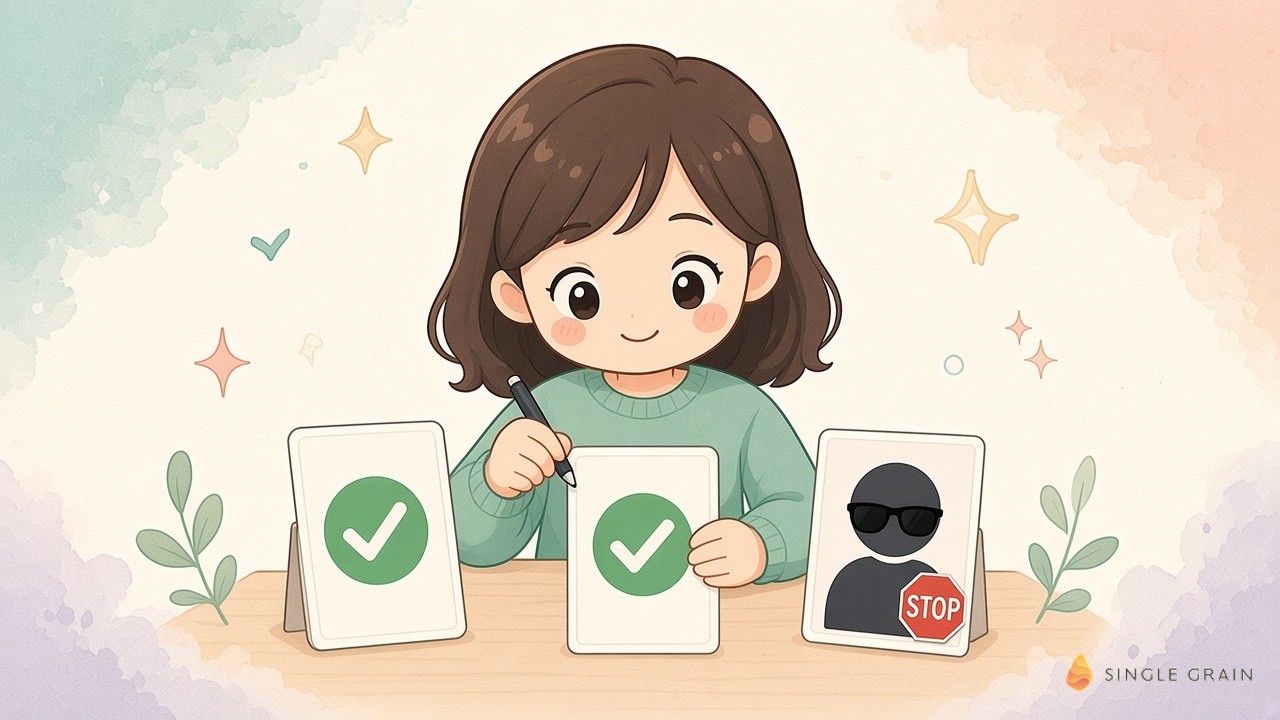
The safest path is to stop risky creative before it ever reaches a review queue.
Why Google Is Drawing This Line Now
Search Engine Land notes that AI-generated videos, voices, and images have made realistic depictions of public figures easy to create. A few years ago, a fake celebrity endorsement needed a production team. Today it needs a prompt and a few minutes.
Scale Changes the Risk
Cheap production means more ads, more variations, and more chances for a bad asset to slip through. Automated campaign types can also mix assets in combinations nobody on your team previewed. A single risky image or voice clip in an asset library can surface in many places.
Users Can’t Easily Tell
Realistic AI content is hard for viewers to spot. Google’s policy exists to stop ads that mislead users about who supports a product. A convincing fake endorsement does exactly that, label or no label.
Agencies and Freelancers Add Exposure
Many brands get creative from several vendors at once. Each vendor may use different AI tools and different standards. Put your likeness rule in every creative brief and contract so outside teams follow it too.
Where AI Generated Ads Cross the Line: 3 Checks You Need to Make
AI tools make realistic video, voice, and images cheap to produce. Teams now generate full ads with tools like those in our guide to producing ad creative with Seedance 2.0. Speed is great until something risky ships without review.
1. Synthetic Celebrity Endorsements
Search Engine Land advises extra care with content suggesting a public figure appears in, speaks in, or endorses an ad when that’s misleading. A cloned voice of a famous founder praising your product is exactly the pattern to avoid.
2. Lookalikes and Edited Footage
Edited footage of a real person and AI faces built to resemble someone recognizable both deserve a close look. If a viewer could reasonably think a real public figure is involved, pull it or get legal advice.
3. AI Influencers and Avatars
Original AI characters are a different story. Our piece on whether brands should build an AI influencer covers that path. An invented persona can work, provided it doesn’t borrow a real person’s identity.
How to Avoid a Google Ads Suspension With AI Creative
My team’s view at Single Grain is to build the check into production. Catching problems after launch is too late.
Add a Likeness Check to Creative Review
Before any AI asset ships, ask one question. Does this show, sound like, or imply a real public figure? If yes, it needs legal review or a rebuild.
Make one person accountable for the final call on each campaign, so the check doesn’t fall between creative, media, and legal teams. Add the question to your launch checklist as a required field.
Keep Records of Rights and Sources
Document where each voice, face, and clip came from, plus any rights you hold. Proof of permission helps if Google questions an ad later. Store the records in one shared folder tied to each campaign, so anyone on the team can find them during an appeal or audit.
Audit Live Campaigns Now
Older campaigns may contain risky assets made before anyone thought about this. Run a quick review using our PPC audit checklist or the Google Ads audit template, and add a likeness line item.
| Asset type | Risk level | Action |
|---|---|---|
| Original AI visuals, no real people | Low | Standard creative review |
| Licensed spokesperson with signed consent | Medium | Keep the contract on file |
| AI voice or face resembling a public figure | High | Pull or send to legal |
| Fake endorsement from a celebrity or executive | Severe | Never run it |
Use the table as a quick triage guide during every creative review, including refreshes of older assets. Anything rated high or severe stops until someone with authority approves it.
What This Means for Ad Performance
The good news is you don’t need famous faces to win. Strong ad creatives usually come from a clear offer, a sharp hook, and proof from real customers.
Lean on Real Social Proof
Real customers and creators with consent give you credibility a synthetic celebrity can’t. Ideas like AI-generated UGC contests can scale social proof while keeping real people in the loop.
Watch Account Health Signals
Policy warnings, disapprovals, and limited ads are early signals. Check them weekly in the Policy Manager, and act fast on any notice that mentions misrepresentation. Pair those checks with diagnostics like Quality Score so creative changes don’t hurt performance while you clean up.
Protect Your Account Before You Scale AI Creative
Google’s message is clear. AI creative is fine, impersonation isn’t, and a disclosure won’t change that. Add a likeness check to every review, document rights, and audit live campaigns so a single asset can’t trigger a Google Ads suspension.
If you want help building a safe AI creative workflow for paid media, Single Grain’s paid advertising team can review your accounts. Contact Single Grain to get started.
Frequently Asked Questions About Google Ads Suspension and AI Ads
-
Can I use AI-generated ads on Google Ads?
Yes. Google’s clarification targets AI used to impersonate public figures. It isn’t a blanket ban on AI-generated creative.
-
Does an AI disclosure protect my ad from a Google Ads suspension?
No. Google says ads that impersonate public figures using AI aren’t allowed even when they disclose that AI generated or edited the content.
-
Is impersonating a public figure an egregious violation?
It falls under Google’s Unacceptable Business Practices policy, which Google treats as egregious. Egregious violations can lead to suspension upon detection without prior warning.
-
Did Google change how it enforces this policy?
No. Google says the update clarifies the policy and doesn’t change enforcement. Search Engine Land also notes Google hasn’t announced new penalties or detection methods.
-
What should I do if my Google Ads account is suspended?
Review the policy notice, fix or remove the violating content, and submit an appeal only if you believe there was an error. Google says reinstatement for egregious violations happens only in compelling circumstances, so be thorough, accurate, and honest.