Is Pay for Performance SEO Worth It? Pricing Model Explained


Is pay for performance SEO the safest way to hire an agency, or is it a trap dressed up as a guarantee? “You only pay when you rank” sounds like zero risk. In practice, the risk just moves somewhere you can’t see it, usually into the keywords the vendor picks and the contract terms nobody reads.
As a digital marketing agency owner myself, I know a thing or two about pay for performance SEO offers. Here’s my take on it: Pure pay-for-performance sits at the far end of the risk curve for an agency, and the client often pays for it in other ways. When a vendor only gets paid for rankings, it has every reason to chase easy, low-value rankings.
So is pay for performance SEO worth it for your business? This guide covers how the pricing models work, where they break, the questions to ask before signing, and the structure I’d actually recommend.
TL;DR
- Pay for performance SEO ties fees to agreed results. You pay when the vendor hits targets such as rankings, traffic, or leads, instead of a flat monthly retainer.
- The outcome metric decides whether it helps you. Rankings for easy keywords are cheap to win and rarely move revenue, so define the metric before you sign.
- Big companies usually avoid pure performance deals. Enterprises want predictable fees for budgeting, and bonus payouts often get renegotiated.
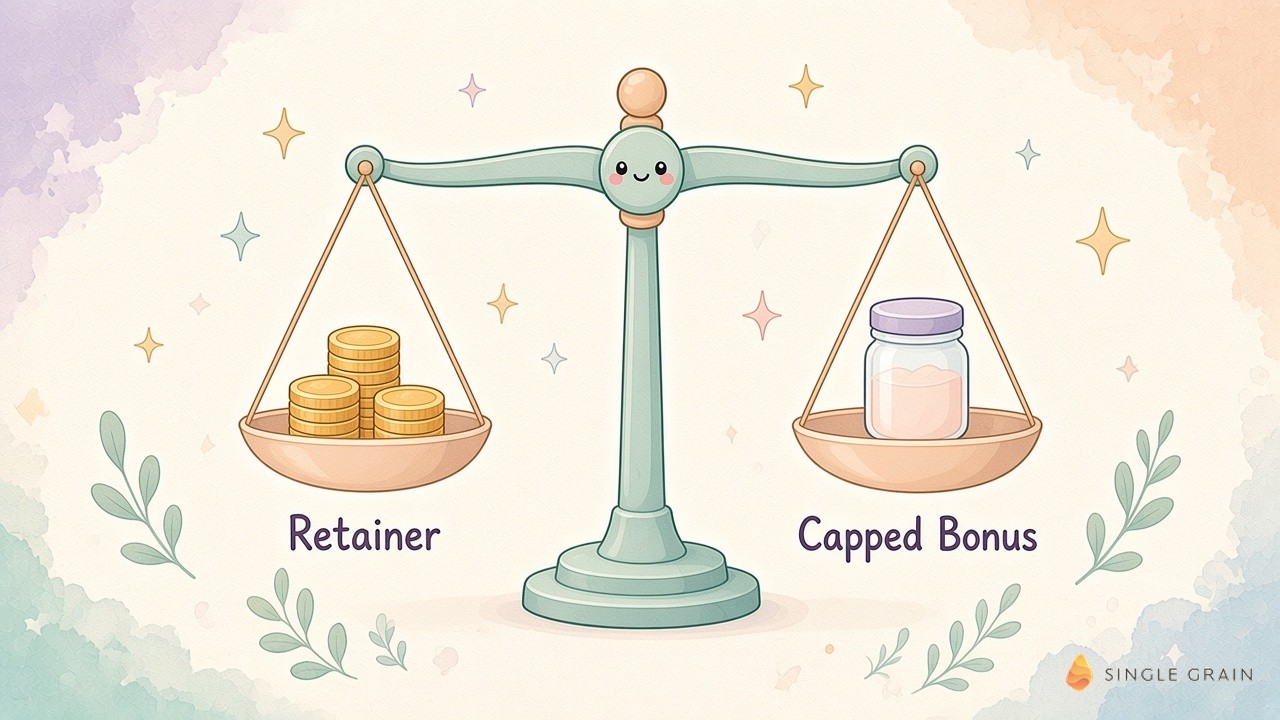
- A retainer plus capped bonuses is the practical middle. The base fee covers the work, and a small, capped kicker rewards results both sides agree on.
TABLE OF CONTENTS:
- What Is Pay for Performance SEO?
- The Hidden Risks of Pay for Performance SEO
- Is Pay for Performance SEO Worth It for Your Business?
- Questions to Ask a Pay for Performance Marketing Agency
- Performance Based Marketing Agency Models Worth Using
- How to Measure SEO Results Fairly
- Pick a Pricing Model Built for Growth
What Is Pay for Performance SEO?
Pay for performance SEO is a pricing model where you pay an SEO provider based on results, such as keyword rankings, organic traffic, or leads. If the targets aren’t met, you pay less or nothing for that period.
How Performance Based SEO Pricing Usually Works
Most deals fall into one of three setups:
- Pay per ranking. You pay a set fee for each keyword reaching an agreed position, such as page one.
- Pay per traffic or lead. Fees scale with organic sessions, form fills, or calls from search.
- Retainer plus bonus. A fixed monthly fee covers the work, with extra payments when targets are hit.
The first two are “pure” performance models. The third shares the risk between you and the vendor.
Why It Sounds So Appealing
The pitch is easy to like. You avoid paying for months of work with nothing to show for it. For a small business that’s been burned by an agency before, the idea of “no results, no invoice” feels like protection.
This protection only works if the results you pay for are the ones you need. Here’s where most deals go sideways.
The Hidden Risks of Pay for Performance SEO
Every pricing model moves risk to someone. In a pure performance deal, the vendor carries the risk up front, so it protects itself in ways clients often miss.

Vanity Keywords Win the Payout
Rankings are the easiest metric to game. A vendor can target long, obscure phrases with almost no competition, rank them fast, and bill you. Those keywords may bring little traffic and fewer buyers.
You end up paying full price for results nobody on your sales team ever feels. Google itself warns in its guide on whether you need an SEO that no one can guarantee a number one ranking.
Short-Term Tactics Over Long-Term Growth
When pay depends on this month’s numbers, there’s pressure to use shortcuts. Some of them break Google’s spam policies and can hurt your site later. Durable SEO usually takes months of technical fixes, content, and links before it pays off.
Payment Fights When Results Show Up
My co-host, Neil, shared an example of a CRO agency he knows working on pure performance terms. When results came in far above expectations, some clients balked at paying what the contract said. I’ve seen the same pattern with bonuses. When a big client hits a capped kicker, the payout often gets renegotiated, because the client knows you want the renewal.
| Pay Attention |
|---|
| Read how the contract defines a “result” and who measures it. If the vendor controls the reporting and chooses the keywords, you’re trusting them to grade their own homework. |
These risks don’t make every performance deal bad. They do mean company size and goals change the answer.
Is Pay for Performance SEO Worth It for Your Business?
The answer depends on your size, your sales cycle, and how clearly you can tie search to revenue.
| Situation | Pure performance | Retainer plus capped bonus |
|---|---|---|
| Small local business with simple leads | Can work if leads are tracked cleanly | Works well |
| Mid-market company with a long sales cycle | Hard to measure fairly | Usually the better fit |
| Enterprise or public company | Rarely approved by finance | Common, with capped incentives |
| New site with little authority | Vendors avoid it or price it high | Better for long-term building |
Use the table as a starting point, then pressure-test it against your own sales cycle and tracking setup.
Why Enterprises Prefer Flat Fees
Most of Single Grain’s clients are enterprise companies.
They have quarterly earnings, fixed budgets, and finance teams who need to know what something costs. A pure performance deal, where a strong quarter could triple the invoice, is hard for them to approve. Beat the target and they’re happy. Miss it and they’ll replace you.
When Performance Terms Make Sense
Performance pricing can fit when leads are easy to track, the sales cycle is short, and both sides agree on the metric. It also helps when the vendor has worked in your industry before and knows realistic targets. Local service businesses with call tracking are a good example. Even then, cap the payout so neither side gets surprised.
With the tradeoffs clear, the next move is vetting any vendor pitching you a performance deal.
Questions to Ask a Pay for Performance Marketing Agency
Before you sign with any pay for performance marketing agency, get clear answers to these questions:
- Which metric triggers payment, and why that one? Push for leads, pipeline, or revenue over rankings alone.
- Who picks the keywords? You should approve the list, with search volume and buying intent for each.
- Who owns the reporting? Use your own analytics and Search Console, with the vendor given read access.
- What happens when results exceed the target? Look for a clear cap on bonuses.
- What tactics are off limits? Get a written commitment to follow Google’s spam policies.
- What happens if you cancel? Check who owns the content, links, and accounts.
If a vendor dodges more than one of these, treat it as a warning. A strong team will welcome the questions, because clear terms protect them too. Our guide on how to choose an SEO agency covers more vetting steps.
Performance Based Marketing Agency Models Worth Using
The structure I like best is simple. Collect a managed service fee covering the work and the margin, then negotiate a small, capped bonus tied to outcomes both sides trust.
Set the Base Fee to Cover the Work
The base fee pays for strategy, technical SEO, content, and links. It keeps the vendor focused on the long game instead of quick wins, and it lets the team plan work a quarter at a time.
Tie the Bonus to Revenue Signals
Bonuses work best on numbers close to revenue, such as qualified leads or pipeline from organic search. Automated SEO reporting keeps both sides looking at the same dashboard.
Cap It and Review It Quarterly
A cap protects your budget. A quarterly review lets you adjust targets as the site grows. If you want to see how performance pricing works on the paid side, these performance-based PPC agency models follow the same logic.
| Pro-Tip |
|---|
| Write the outcome metric, the measurement source, and the bonus cap into a one-page summary both sides sign before the full contract. It prevents most payment disputes later. |
A clear summary like this also makes renewals easier, because both sides can see exactly what was promised.
How to Measure SEO Results Fairly
Whatever pricing you pick, measure on your own data. Track organic leads and pipeline in your CRM, rankings for keywords with real buying intent, and traffic to money pages. When results stall, run through the common reasons SEO strategies fail before you blame the pricing model.
Google’s own guide to how Search works is a useful reminder of why results take time. Crawling, indexing, and ranking all have to happen before a page can earn traffic.
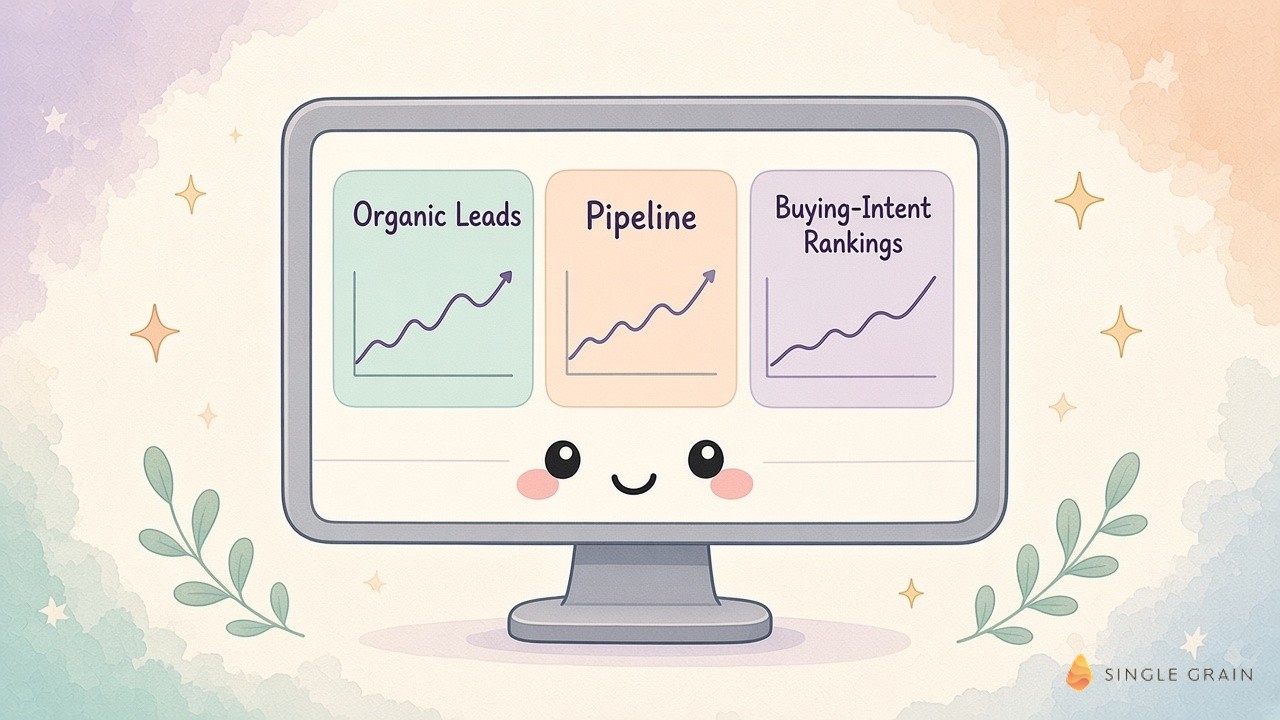
Fair measurement keeps any pricing model honest, whether you pay on results or on a retainer.
Pick a Pricing Model Built for Growth
Pay for performance SEO can work, but only when the metric reflects revenue, you control the reporting, and the payout has a cap. For most mid-market and enterprise teams, a retainer with a small, capped bonus gives you accountability without the incentive to chase vanity rankings.
If you’re comparing options, Single Grain offers performance-based SEO services and full SEO programs built around pipeline. Contact Single Grain to talk through a structure built for your budget.
Frequently Asked Questions About Pay for Performance SEO
-
What is pay for performance SEO?
It’s a pricing model where you pay an SEO provider based on results such as rankings, traffic, or leads. If targets aren’t met, you pay less or nothing for that period.
-
Is pay for performance SEO a good idea?
It can be when the metric is tied to revenue, you control reporting, and payouts are capped. Deals that pay only for rankings often reward easy keywords with little business value.
-
Can an SEO company guarantee rankings?
No. Google states that no one can guarantee a number one ranking. Treat any guaranteed-ranking promise as a warning sign.
-
What questions should I ask a pay for performance SEO agency?
Ask which metric triggers payment, who picks keywords, who owns reporting, what happens when results exceed targets, which tactics are banned, and who owns assets if you cancel.
-
What is the best SEO pricing model?
For most mid-market and enterprise teams, a monthly retainer with a small, capped bonus tied to leads or pipeline balances accountability and long-term work. See how to choose an SEO agency.