What is Parasite SEO and Does It Really Work?


Parasite SEO tempts every marketer who has watched a new site wait months for rankings. Borrowing a big platform’s authority promises page one in days, while your own domain sits on page five. The catch is that Google has written specific policies about borrowed authority, and getting it wrong can hurt the brand you’re trying to grow.
Recently, I posted about a LinkedIn article that ranked first on Google in thirty-eight minutes. It happened live during a webinar I ran with Cody Schneider, co-founder of Graphed. The workflow was simple, and the founder-context step is the part worth keeping.
What follows covers what parasite SEO means, what this single test shows and doesn’t show, where Google’s spam policies draw the line, and how to run a safer version of the experiment.
TL;DR
- Parasite SEO means publishing on a high-authority platform to borrow its ranking strength. LinkedIn, Medium, and large publishers are common hosts.
- One LinkedIn article ranked first for one query in one live test. Cody said it went live thirty-eight minutes earlier, and results will differ for other keywords.
- Google’s spam policies target borrowed authority and scaled AI pages. Content placed on a host mainly to exploit its ranking signals, or mass-produced without value, puts visibility at risk.
- Founder context is the durable advantage. A real interview transcript gives the article a point of view competitors can’t copy.
What Is Parasite SEO?
Parasite SEO is the practice of publishing content on an established third-party site so it ranks faster than it could on your own domain. The host’s authority does the heavy lifting, which is why the term carries a negative edge.
Common Hosts
Marketers use LinkedIn articles, Medium, Reddit, large news sites, and sponsored sections of publisher sites. Some of these are user-generated platforms built for publishing, while others rent space to outside writers for ranking purposes.
Why the Term Has a Bad Reputation
The tactic got its name from abuse, such as casino or payday loan pages placed on unrelated, trusted sites. Google responded with a dedicated policy, which changed what counts as safe.
That history explains why the LinkedIn test needs careful framing.
The 38-Minute LinkedIn Ranking Test
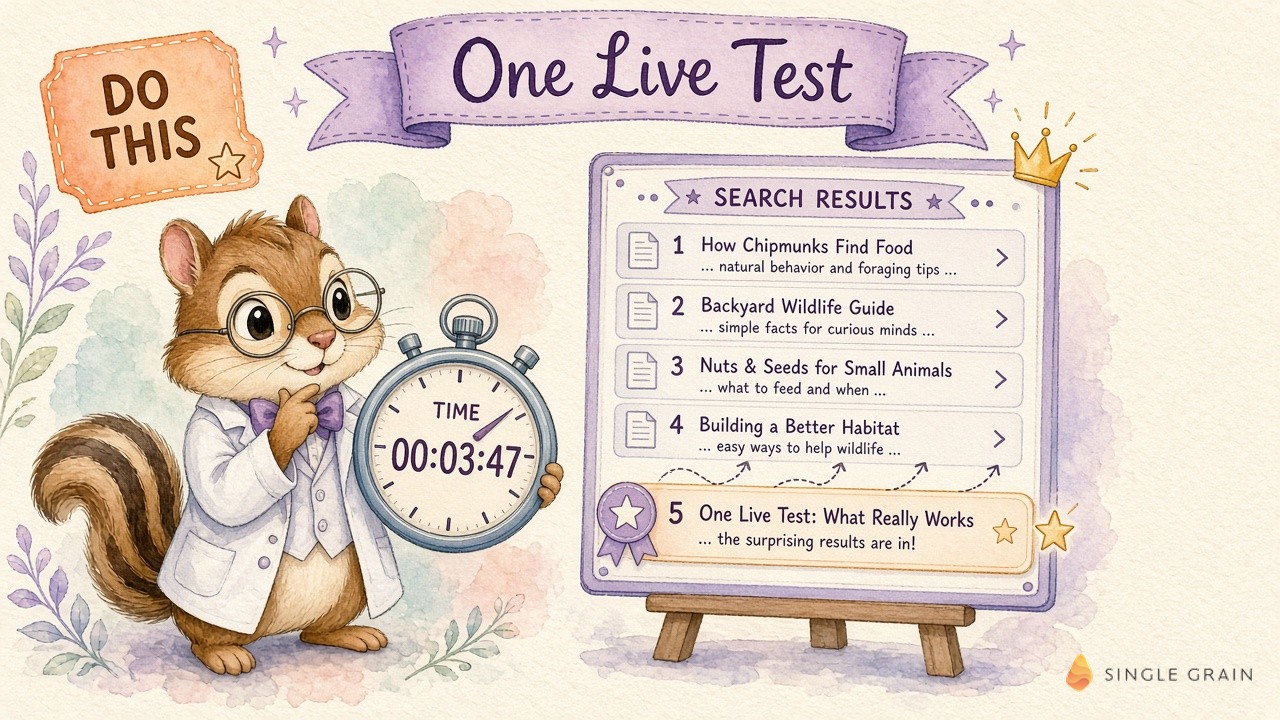
During the webinar, Cody set out to rank a LinkedIn article for “Facebook ads for kitchen remodeling.” He checked Google live, and the article showed up first in organic results. He said it had gone live thirty-eight minutes earlier.

The Workflow
- Research the target query. Pull the pages ranking for one specific search term.
- Give AI the source material. Feed those ranking pages into the model as context.
- Add a founder interview. For a brand, include a thirty-minute founder interview transcript with positioning and point of view.
- Write and publish on LinkedIn. Review the draft, then publish it as a LinkedIn article.
- Request indexing and check Google. Submit the URL for indexing, then search the query.
Each step is simple. The third one carries most of the value.
What the Test Shows
A low-competition, specific query can rank quickly on a high-authority platform when the content matches intent. The keyword had a clear buyer and little competition, which helped.
The query also had local and industry modifiers. Searches like this often have thin results, so a well-structured article with real detail can stand out fast. Broad head terms with established competitors are a different game entirely.
What the Test Doesn’t Show
One article, one query, and one live check don’t prove the result will last or repeat. Rankings can shift within days, and other keywords or niches may behave differently. Treat it as a single data point.
How Google Finds a LinkedIn Article
The most common reply to my post asked how to submit a LinkedIn article for indexing. The answer changes the whole approach, because you don’t control the domain.
You Can’t Use Search Console on Someone Else’s Domain
Search Console only works for properties you can verify. For a LinkedIn article, discovery depends on Google crawling LinkedIn and following links to your piece. Share the article publicly, link to it from pages you own, and give it a clear, keyword-focused title.
Indexing Speed Varies
High-authority platforms get crawled often, which is part of why new posts can appear quickly. Some articles show up within hours, while others take days or never rank. Plan for that range instead of expecting the webinar result every time.
With the mechanics covered, the bigger question is what Google says about tactics like this.
Does Parasite SEO Still Work Under Google’s Spam Policies?
Short-term rankings are possible, but Google’s spam policies target the abusive versions directly. Two sections apply.
The Site Reputation Policy
Google’s site reputation policy covers third-party content published on a host mainly because of the host’s established ranking signals, so the content ranks better than it could on its own. The same page lists exceptions, including sites designed for user-generated content and articles of an editorial nature. A founder publishing original thinking on LinkedIn looks far different from a paid page planted on an unrelated publisher.
Scaled Content Abuse
Google also targets many pages generated mainly to manipulate rankings without helping users, including AI-generated pages with no added value. Publishing dozens of near-identical AI articles across platforms fits that description. I covered how Google treats AI writing in this breakdown of whether AI content is bad for SEO.
What the Risk Looks Like
Google says sites violating its policies may rank lower or disappear from results, and human reviewers can apply manual actions. Even when a host platform absorbs the penalty, your brand name sits on the content. The past Google spam updates show how quickly tactics that worked can stop working.
| Pay Attention |
|---|
| Cody’s own warning was clear. Do not use this indexing approach on your core website. Keep experiments on platforms built for publishing, and never mass-produce articles to chase rankings. |
That warning frames the safer version of the test.
How to Run a Safer LinkedIn Article SEO Test
If you want to try this, treat it as a contained experiment with a real point of view behind it.
Pick One Specific Query
Choose a long-tail query with clear intent and weak competition, ideally one your buyers actually search. Skip anything in finance, health, or other sensitive categories.
Lead With Founder Context
Record a thirty-minute interview with the founder or a subject expert. Ask about opinions, mistakes, customer stories, and numbers only your company knows. Feed the transcript to the model alongside the research, then edit the draft so it reads like the founder. My walkthrough on humanizing AI content can help with the edit.
Track It Like a Test
Log the query, publish time, ranking checks, and clicks over several weeks. My team handles SEO A/B tests the same way, with a hypothesis and a review date.
Decide in advance what success looks like. A ranking that holds for thirty days and sends qualified clicks is a win. A ranking that disappears in a week still teaches you something about the query, but it shouldn’t change your strategy.

A clean test gives you data either way, and it keeps the experiment small enough to learn from.
Why Founder Context Beats the Shortcut
The ranking trick gets attention, but the founder transcript makes the article worth reading. Search engines and AI answers increasingly reward content with firsthand experience, which ties directly to E-E-A-T and trust in AI search.
Founder Insight Is Hard to Copy
Competitors can copy a format or a keyword. They can’t copy your founder’s stories, opinions, and customer lessons. That’s the real moat behind this workflow.
The same transcript keeps paying off after the test. Pull quotes for social posts, turn objections into FAQ answers, and reuse the strongest stories on your own blog. One good interview can feed a month of content across channels.
Rented Land Needs a Path Home
Several replies to my post called LinkedIn rented land, and they’re right. Your article lives on someone else’s platform under someone else’s rules. Link back to your own site, invite readers to your newsletter, and republish the strongest ideas on your domain over time.
When to Use This and When to Skip It
LinkedIn articles fit when you want fast visibility for a niche query, social distribution, and a place to test messaging. The platform also rewards strong articles in its own search and feed, as covered in this look at LinkedIn SEO strategy.
Skip it if you plan to scale it into dozens of thin articles or rely on it as your main organic channel. Long-term rankings still come from your own site, built with original insight and a clean technical foundation.
If you want organic growth that lasts, start with founder context and put it to work on your own domain first. Single Grain’s AI SEO services team builds search programs around original insight, and we can turn founder interviews into content systems! Contact Single Grain to plan your next search test.
Frequently Asked Questions About Parasite SEO
-
What is parasite SEO?
It’s publishing content on an established third-party site, such as LinkedIn or a large publisher, so it ranks faster than it could on your own domain by borrowing the host’s authority.
-
Is parasite SEO against Google's rules?
It can be. Google’s site reputation policy targets third-party content placed on a host mainly to exploit its ranking signals, and its scaled content abuse policy targets mass-produced pages with little value. Original editorial content on user-generated platforms is treated differently.
-
How do you submit a LinkedIn article for indexing?
You can’t use Search Console for a domain you don’t own, so most people share the article publicly, link to it from pages Google already crawls, and wait for discovery. Avoid any indexing shortcut on your core website.
-
Do LinkedIn article rankings last?
Not reliably. The test in this post was one article, one query, and one live check. Rankings on rented platforms can shift quickly, so track results for several weeks.
-
What makes a LinkedIn article rank?
A specific, low-competition query, content that matches search intent, and original founder context such as an interview transcript all help. Review every AI draft before publishing.