

How to Scale AI Creative Into the Thousands With Seedance and Meta Ads


TABLE OF CONTENTS:
- Quick Overview
- What makes AI video ads a managed job
- Pipeline stages from Seedance to Meta
- Operator scene: volume without a gate is just faster waste
- Cost, SLAs, and when to decommission the job
- Weekly operating rhythm
- Worked example: one Seedance brief through the Meta gate
- Failure modes to log every Friday
- Want Seedance feeding Meta without the bottleneck?
Quick Overview
This playbook is for growth and creative ops leads who want AI video ads without turning every render into a hero project. The job is running Seedance videos into Meta ads as a managed agent job: clear inputs, clear outputs, review gates, and a kill switch. The mechanism is a pipeline that generates variants, packages them for Meta placements, and only promotes what clears a human creative gate. The outcome is a steady creative feed instead of a bottleneck around one editor.
One recent number: for direct-response advertisers, showing the product more than once makes the creative 2.7 times more likely to rank in the top 20% for purchase intent. Source: Meta for Business, December 2, 2025. Seedance does not publish a performance number I can cite.
- Treat Seedance output as inventory for a job, not as art-direction theater.
- Define the brief fields before any render starts.
- Human gate on claims, offers, and brand safety before Meta upload.
- Track cost and cycle time per approved variant.
- Kill the job when quality or policy risk rises, not after spend is gone.
A growth lead had three Meta ad sets waiting on creative and one editor buried in revisions. The brief was clear enough. The bottleneck was production. Someone on the team mentioned Seedance. Someone else mentioned “just let an agent handle it.” Nobody had written what “handle it” meant: which brief fields were required, who approved claims, and what happened when a render looked good but said something the landing page did not support.
On a tape with Cody Schneider, Eric surfaced the obsession in one line: Seedance video pipelines feeding Meta ads, alongside other agent-shaped jobs like LinkedIn into cold email, waterfall enrichment, and autonomous link building. The useful reading is not “AI will make ads.” The useful reading is “video creative can be a managed job with a pipeline.”
What makes AI video ads a managed job

A managed job has an owner, an input contract, an output contract, a review gate, and a stop condition. Seedance to Meta fits that shape when you refuse to improvise those pieces each week. If the only process is “ask the model for a cool video,” you do not have a job. You have a slot machine.
Meta video ads also punish fuzzy offers. The render can be beautiful and still fail because the first three seconds do not match the landing promise. The agent can generate volume. Only a human gate can protect the offer integrity.
Input contract before any Seedance run
| Input | Owner | Fail if missing |
|---|---|---|
| Offer and landing URL | Growth lead | Do not render |
| Audience note | Media buyer | Do not render |
| Hook candidates (3 to 5) | Creative | Do not render |
| Brand safety rules | Brand or legal | Do not render |
| Budget for test | Media buyer | Render ok, upload blocked |
Pipeline stages from Seedance to Meta

- Brief lock. No silent edits after the run starts.
- Generate variants. Seedance produces candidates against the locked hooks.
- Package. Crop and caption for the Meta placements you actually buy.
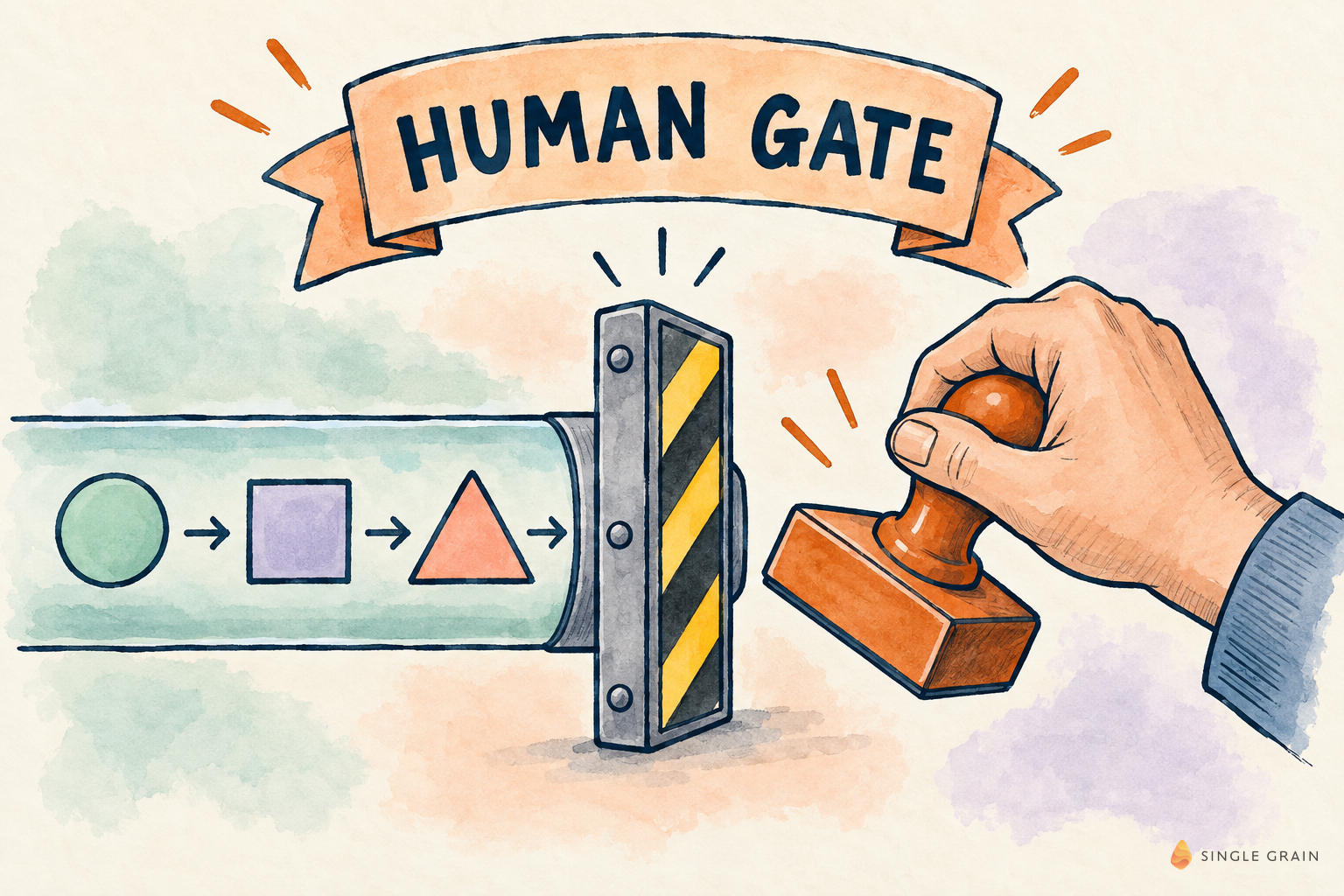
- Human creative gate. Check claim accuracy, offer match, and brand safety.
- Upload and label. Name variants so learnings can return to the brief.
- Kill or scale. Stop losers fast; only scale what clears your test bar.
Human gate checklist
- Does the first line match a real offer on the landing page?
- Any invented metric, customer, or badge?
- Any trademark or face you do not have rights to use?
- Is the CTA the same action the page supports?
Operator scene: volume without a gate is just faster waste
In an anonymized September creative ops review, the team that struggled was not short on generators. They were short on a gate. Variants piled up. Meta stayed empty because nobody wanted to be the person who approved a claim. The fix was boring: a one-page gate checklist and a named approver. Seedance could run. Meta only received what the approver signed.
This job is not AI citation SEO. Becoming a source AI search engines cite is a different problem, covered here: AI citation SEO to become the source AI search engines cite. Keep that page for answer visibility. Keep this page for managed video creative into paid social.
Cost, SLAs, and when to decommission the job
Log render cost, revision loops, and time to approved variant. If cost per approved asset climbs while win rate stays flat, change the brief or pause the generator. Pricing the ongoing job is covered in how to price managed marketing agents. Kill switches and SLAs belong beside the pipeline from day one: SLAs and kill switches. If the job stops earning its spot, decommission it on purpose using the same clarity you would for any agent job: when to decommission a marketing agent job.
Weekly operating rhythm
- Monday: lock briefs and hook candidates for the week.
- Tuesday: Seedance batch runs against the lock.
- Wednesday: human gate; rejects return with reasons.
- Thursday: Meta upload for approved variants only.
- Friday: read early signals; kill or extend tests; update the hook list.
Success looks like a calm Thursday upload, not a heroic Sunday edit. If every week still depends on one editor heroics, you do not yet have a managed agent job. You have a generator bolted onto the old bottleneck.
Treat Seedance as a render stage inside a managed agent job, not as the strategy. The strategy is the locked brief: offer, hook family, proof line, and landing URL. The agent can batch variants. The human still owns the spend decision. That split is what turns AI video ads from a novelty folder into something a media buyer can run on a calendar.
Worked example: one Seedance brief through the Meta gate
Here is a concrete pass of the managed job without inventing performance numbers. The point is the sequence and the gates, not a case study with fake lift.
Monday brief lock
The growth lead fills five fields before anyone opens Seedance: offer line, landing URL, audience note, three hook candidates, and the brand safety rules for this account. If any field is blank, the job does not start. The media buyer adds a test budget note and a placement list (feed, stories, or both). Nobody asks the model for “something viral.”
Tuesday generate and package
The agent takes the locked brief and produces a small batch of Seedance variants. Each variant is labeled with the hook candidate it used and the offer line it must not rewrite. Packaging for Meta means exporting the aspect ratios the placement list requires and attaching the same landing URL. If a render invents a discount, a guarantee, or a product name that is not on the landing page, it is marked FAIL before upload.
Wednesday human gate
A creative owner watches the first three seconds with the landing page open side by side. The checklist is short: hook matches an approved candidate, offer matches the page, no brand safety breach, audio and text readable on mute. Pass moves to upload. Fail goes back with a one-line reason, not a vague “make it better.”
Thursday upload and watchlist
Only PASS variants enter Meta. The media buyer notes which ad set received which variant ID. The watchlist for the week is quality and policy risk, not vanity views. If two PASS variants still get rejected by policy or clearly mismatch the landing promise in comments, the job pauses and the brief is reopened.
Friday kill or keep
Keep the job if the input contract stayed intact and the human gate caught the bad renders. Kill or shrink the job if the team starts skipping the gate to “keep volume up.” Volume without the gate is the failure mode this article exists to prevent.
Failure modes to log every Friday
Pick five wins and five misses. If a variant wins the click and loses the offer match, log it as a fail. Cody’s point with Eric still applies: a marketing agent should be software with a thinking loop, not a render slot machine.
For volume without losing the gate, steal the ops shape from the AI marketer workflow episode, and keep Cody’s other notes nearby via Eric’s follow-up on that sauce. Brief lock, human gate, then Meta.
Name every upload with hook ID, Seedance run ID, and gate approver. Silent mid-batch brief edits create variants nobody can explain on Friday. If the offer changes, start a new run ID instead of editing the old brief in place.
Refuse remains a first-class outcome. No upload before the human gate. No scaling a variant that broke the landing promise. Give the media buyer a daily approval window so Thursday uploads stay calm instead of frantic.
Owner checklist for Seedance into Meta
- Brief locked before the Seedance batch starts.
- Human gate owner named before any Ads Manager upload.
- Refuse path written: what never gets spent even if the render looks sharp.
In a September creative ops review, the pattern that hurt learning was not a weak Seedance clip. It was an unlabeled folder of renders that mixed three offers. The team could not tell which brief produced which Meta upload. Labels are the job. Pretty files without labels are inventory debt.
Placement packaging is part of the managed job. A crop that ruins the hook is a packaging fail, not a Seedance fail. Log packaging misses separately so you do not punish the wrong stage.
When a stakeholder asks for more volume, show the gate refuse count next to the upload count. Volume without refuse is how creative debt returns. When they ask for a demo, show one brief, one approved render, and one Meta placement note. That is the unit of work.
Keep the Meta Ads naming convention boring: offer code, hook ID, Seedance run ID. Clever names hide learning. Boring names make Friday teardown possible.
If creative standups still open with a camera-roll scroll, the managed job is not live yet. Open the brief lock sheet and the gate refuse list first.
Document who can override a refuse. One named owner. Overrides without names become the new upload path overnight.
Write the freeze time next to the prompt. Teams that skip freeze time recreate mid-batch drift and then blame the model for inconsistent outputs.
Before Seedance runs, freeze the landing URL and the primary CTA text. A render that points at yesterday’s offer is not a creative win. It is a tracking mess waiting for Friday.
Ask the gate owner one question on every upload: would you spend your own budget on this variant against this offer? If the answer hesitates, refuse. Hesitation is data.
Keep a short winners sheet: hook family, offer, placement, and what broke. Do not keep a graveyard of pretty losers without notes. Notes are how the next Seedance brief gets sharper.
Publish a weekly health line in the same channel as the job owner: volume processed, refuse count, and open overrides. Those three numbers beat a vibes update every time.
When Meta placements change, re-check packaging before you blame Seedance. A vertical crop can kill a hook that worked in square. Log the placement with the upload, not after the fact.
Do not let a hot render skip the offer match check because the week is busy. Busy weeks are when the wrong landing URL ships. The gate exists for those weeks.
Want Seedance feeding Meta without the bottleneck?
Single Grain runs AI video creative as a managed job with brief locks, human gates, and kill switches. Talk to Single Grain about standing up the Seedance to Meta pipeline for your next test cycle.