

Intent Data for ABM: How to Identify In-Market Accounts


In the competitive B2B landscape, identifying which accounts are actively seeking your products or services is paramount. Account-Based Marketing (ABM) has emerged as a go-to strategy for focusing sales and marketing efforts on high-value accounts. However, the success of any ABM strategy hinges on one critical component: intent data. This article explores how you can leverage intent data to pinpoint in-market accounts and supercharge your ABM campaigns.
TABLE OF CONTENTS:
What is Intent Data?
Intent data is a collection of behavioral signals that indicate a potential customer’s interest in a product or service. These signals can be gathered from various sources, including website visits, content downloads, social media engagement, and third-party data providers. By analyzing these behaviors, businesses can gain insights into which accounts are actively in a buying cycle.
Why is Intent Data Crucial for ABM?
ABM is all about precision and focus. Instead of casting a wide net, ABM targets specific, high-value accounts. Intent data provides the intelligence needed to identify these accounts at the right time. A study by the Marketing AI Institute found that using intent data can lead to a 2x increase in account engagement and a 30% faster sales cycle.
7 Ways to Use Intent Data to Identify In-Market Accounts
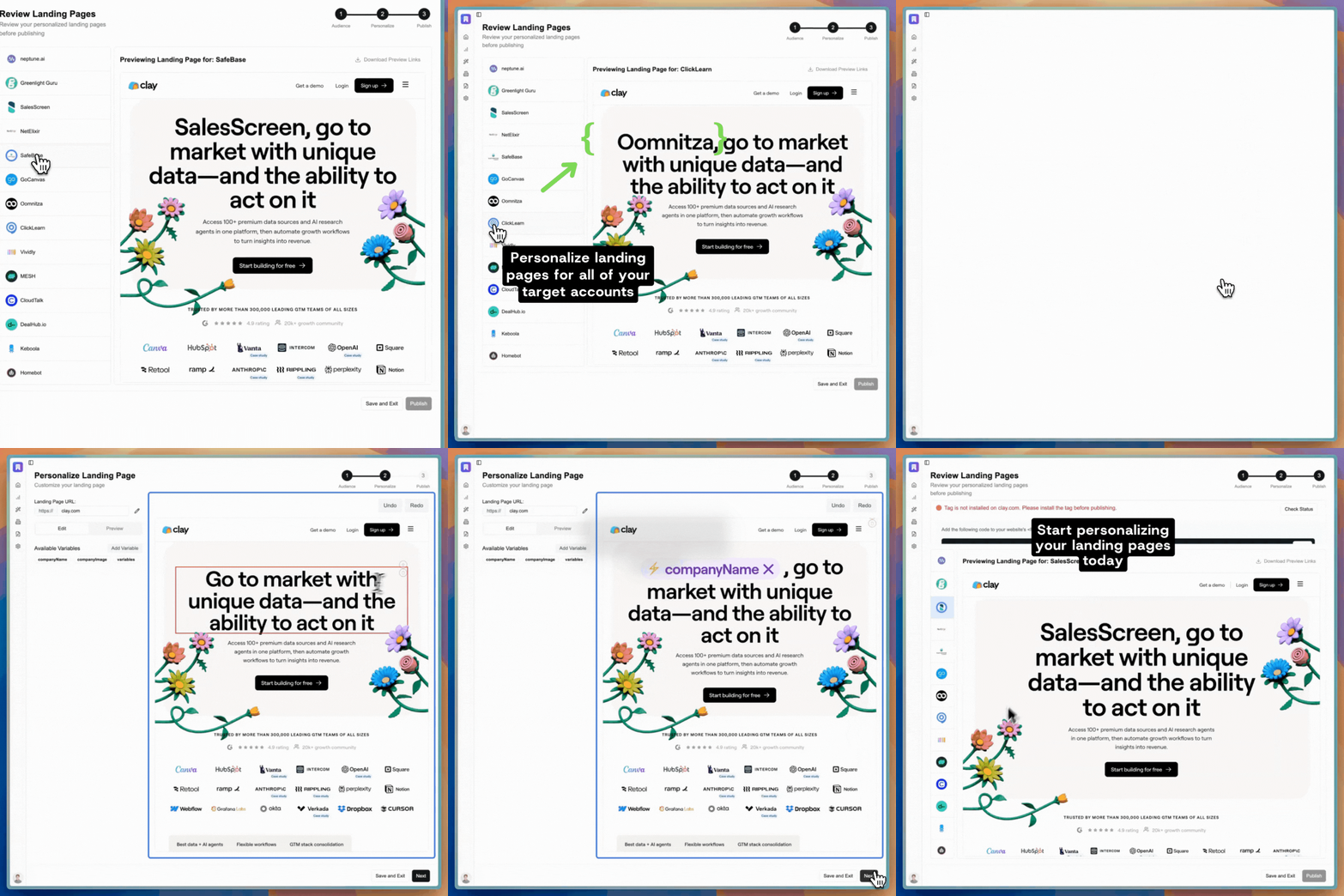
Here are seven effective ways to leverage intent data to identify accounts that are ready to buy:
1. Monitor First-Party Website Behavior
Your website is a goldmine of intent data. By tracking which pages accounts are visiting, how much time they spend on each page, and what content they download, you can identify their interests and pain points. For example, if an account is repeatedly visiting your pricing page, it’s a strong signal that they are considering a purchase.
2. Leverage Third-Party Intent Data Providers
Third-party providers like Bombora, 6sense, and Demandbase collect intent data from a vast network of B2B websites. This allows you to identify accounts that are researching topics related to your products or services, even if they haven’t visited your website yet. As an industry expert from Forrester once said, “Third-party intent data gives you a view of the entire B2B web, not just your own little corner of it.”
3. Analyze Content Consumption Patterns
The content that an account consumes is a powerful indicator of their interests. By tracking which blog posts, whitepapers, and case studies an account is engaging with, you can tailor your messaging and outreach to their specific needs. For instance, an account that downloads a whitepaper on a specific feature of your product is likely interested in that feature.
4. Track Social Media Engagement
Social media is another valuable source of intent data. By monitoring which accounts are following your company, engaging with your posts, and participating in relevant discussions, you can identify potential leads. Tools like Hootsuite and Sprout Social can help you track these signals.
5. Utilize G2 and Other Review Sites
Websites like G2, Capterra, and TrustRadius are where businesses go to research and compare software products. By monitoring which accounts are viewing your profile, reading your reviews, and comparing you to your competitors, you can identify accounts that are in the evaluation stage of the buying cycle.
6. Look for Job Postings
A company that is hiring for a role related to your product or service is a strong indicator that they are looking to invest in that area. For example, if you sell a marketing automation platform and a company posts a job for a “Marketing Automation Specialist,” it’s a good sign that they are in the market for your solution.
7. Engage with Offline Event Attendees
Even in the digital age, offline events like trade shows and conferences are a valuable source of intent data. By collecting information from attendees who visit your booth or attend your sessions, you can identify accounts that are interested in your offerings. Following up with these leads in a timely manner is crucial for converting them into customers.
Challenges and Best Practices
While intent data is a powerful tool, it’s not without its challenges. Data privacy regulations like GDPR and CCPA require businesses to be transparent about how they collect and use data. It’s also important to ensure that your data is accurate and up-to-date. To get the most out of your intent data, it’s best to use a combination of first-party and third-party data, and to integrate your intent data platform with your CRM and marketing automation systems.
Conclusion
Intent data is a game-changer for ABM. By leveraging the right data sources and tools, you can identify in-market accounts with unprecedented accuracy, tailor your messaging to their specific needs, and ultimately, drive more revenue. As the B2B landscape becomes increasingly competitive, the ability to identify and engage with in-market accounts will be a key differentiator for successful businesses.
Frequently Asked Questions About Intent Data for ABM: How to Identify In-Market Accounts
Q: What is the difference between first-party and third-party intent data?
A: First-party intent data is collected from your own digital properties, such as your website and social media channels. Third-party intent data is collected from a network of external sources, such as other B2B websites and online publications.
Q: How can I ensure the accuracy of my intent data?
A: To ensure the accuracy of your intent data, it’s important to use a reputable data provider and to regularly clean and update your data. It’s also a good idea to cross-reference your intent data with other data sources, such as your CRM and marketing automation platform.
Q: What are some common mistakes to avoid when using intent data?
A: One common mistake is to rely too heavily on a single data source. It’s best to use a combination of first-party and third-party data to get a complete picture of an account’s intent. Another mistake is to not act on the data in a timely manner. Intent data has a short shelf life, so it’s important to have a process in place for following up with leads quickly.
Ready to take your ABM strategy to the next level? Karrot.ai can help you leverage the power of intent data to identify in-market accounts and drive more revenue.