

How to Ensure Healthcare Quora Marketing Compliance


A single misstep in healthcare marketing can trigger investigations that cost hundreds of thousands of dollars and destroy years of trust-building. Yet healthcare organizations are increasingly drawn to Quora’s unique Q&A format, where medical expertise meets genuine patient questions in an environment ripe for building authority and generating qualified leads.
The challenge? Healthcare Quora marketing compliance sits at the intersection of multiple complex regulatory frameworks. HIPAA privacy rules, FDA promotional guidelines, FTC advertising standards, and Quora’s own restrictive healthcare policies. Navigate this correctly, and you unlock a powerful channel for patient education and lead generation. Get it wrong, and you face penalties that can reach into the millions while jeopardizing your organization’s reputation and marketing capabilities.
This comprehensive guide transforms regulatory compliance from a barrier into a strategic advantage, providing healthcare marketers with the frameworks, workflows, and real-world examples needed to build profitable Quora campaigns that enhance rather than endanger your organization.
TABLE OF CONTENTS:
- Key Takeaways
- Understanding the Multi-Layered Regulatory Landscape
- The Staggering Financial Cost of Non-Compliance
- Platform Limitations and the Business Associate Agreement Challenge
- Navigating Quora's Healthcare Content Restrictions
- Building a HIPAA-Compliant Quora Marketing Strategy
- Measuring ROI from Compliant Engagement Strategies
- Implementing Risk Monitoring and Incident Response Systems
- Turning Compliance Into a Competitive Advantage
- Building Sustainable, Compliant Growth Through Strategic Q&A Marketing
Key Takeaways
- Healthcare Quora marketing compliance violations can cost millions in penalties, with investigations lasting 6-18 months and often suspending entire marketing programs
- Major platforms, including Quor,a won’t sign Business Associate Agreements – This forces healthcare marketers to avoid transmitting any protected health information and focus on educational content rather than direct promotion or personalized medical advice
- Quora restricts most healthcare advertising but allows educational content – The platform prohibits promotion of medications, medical procedures, and clinical trials, requiring healthcare organizations to build authority through thought leadership and genuine expertise sharing
- Compliance-focused strategies actually increase marketing ROI, proving that proper compliance frameworks enhance rather than hinder performance
- Multi-tiered content review processes are essential for risk mitigation – Successful healthcare Quora marketing requires medical review for clinical accuracy, legal review for regulatory compliance, and standardized response templates with appropriate disclaimers
Understanding the Multi-Layered Regulatory Landscape
Healthcare marketing operates within one of the most complex regulatory environments in modern business, where patient safety, privacy protection, and accurate medical information converge to create strict compliance requirements. When you add Quora’s community-driven Q&A format to this equation, the compliance challenges multiply exponentially.
The regulatory framework governing healthcare marketing encompasses three primary federal oversight bodies, each with distinct but overlapping jurisdictions. HIPAA establishes the foundation for patient privacy protection, requiring explicit written consent before using any patient data in marketing materials or communications. The FDA maintains authority over all promotional claims related to prescription drugs, medical devices, and regulated healthcare products, demanding that every assertion be truthful, substantiated, and appropriately balanced with risk information.
Meanwhile, the FTC provides broad oversight for healthcare advertising through general truth-in-advertising regulations, requiring clear substantiation for health-related claims and proper disclosure of material connections between healthcare providers and endorsers. These federal requirements create a foundational compliance structure that every healthcare marketer must navigate, regardless of platform or communication channel.
State-level regulations add another layer of complexity, as medical boards often maintain specific guidelines regarding physician advertising and patient communication that can impact digital marketing strategies. Some states have enacted consumer protection laws that exceed federal requirements, creating additional compliance obligations for healthcare organizations operating across multiple jurisdictions.
The Staggering Financial Cost of Non-Compliance
The financial stakes of healthcare marketing compliance have reached unprecedented levels, with enforcement agencies increasingly willing to impose substantial penalties for violations. We saw the most expensive HIPAA violations in 2024 and 2025, illustrating the direct financial risk healthcare organizations face when marketing activities mishandle protected health information.
These penalties signal a regulatory environment where digital marketing violations can trigger comprehensive investigations that examine entire marketing programs. Healthcare organizations have discovered that a single social media response or Q&A interaction can trigger months-long compliance reviews that halt marketing activities and require extensive legal resources.
| Violation Type | Typical Penalty Range | Investigation Duration | Marketing Impact |
|---|---|---|---|
| HIPAA Privacy Violation | $50,000 – $2.5M | 6-18 months | Program suspension |
| FDA Promotional Violation | $25,000 – $1M+ | 3-12 months | Content removal required |
| FTC Deceptive Practice | $40,000 – $500K | 4-10 months | Claim substantiation mandated |
| Platform Policy Violation | Account suspension | 1-3 months appeal | Complete channel loss |
Beyond direct financial penalties, compliance violations create hidden costs that can dwarf regulatory fines. As a result, the total cost of HIPAA fines can range from tens to hundreds of thousands of dollars per violation. Organizations also face opportunity costs as marketing programs remain on hold during investigations, thereby losing months of potential lead generation and market positioning.
Platform Limitations and the Business Associate Agreement Challenge
Healthcare organizations seeking to leverage digital marketing platforms face a fundamental compliance barrier that has reshaped the entire industry’s approach to online advertising. Many major advertising platforms refuse to sign Business Associate Agreements (BAAs), rendering them non-compliant for campaigns that transmit any form of protected health information.
This BAA limitation has profound implications for healthcare marketing strategy, as any PHI transmission, including IP addresses associated with condition-specific pages, appointment scheduling data, or personalized health content interactions, poses HIPAA violation risks without proper contractual protections. The absence of BAAs forces healthcare marketers to fundamentally reconsider how they approach audience targeting, conversion tracking, and performance measurement across digital platforms.
Quora presents unique opportunities in this constrained environment, as its Q&A format enables the distribution of educational content and the development of thought leadership that can avoid PHI transmission entirely. However, healthcare marketers must carefully configure their Quora campaigns to prevent inadvertent data collection or sharing that could create compliance violations.
The platform limitations extend beyond simple BAA availability to encompass broader questions about data processing, international data transfers, and third-party integrations that characterize modern digital marketing ecosystems. Healthcare organizations have had to develop entirely new approaches to marketing attribution, lead tracking, and campaign optimization that prioritize compliance over traditional performance metrics.
Navigating Quora’s Healthcare Content Restrictions
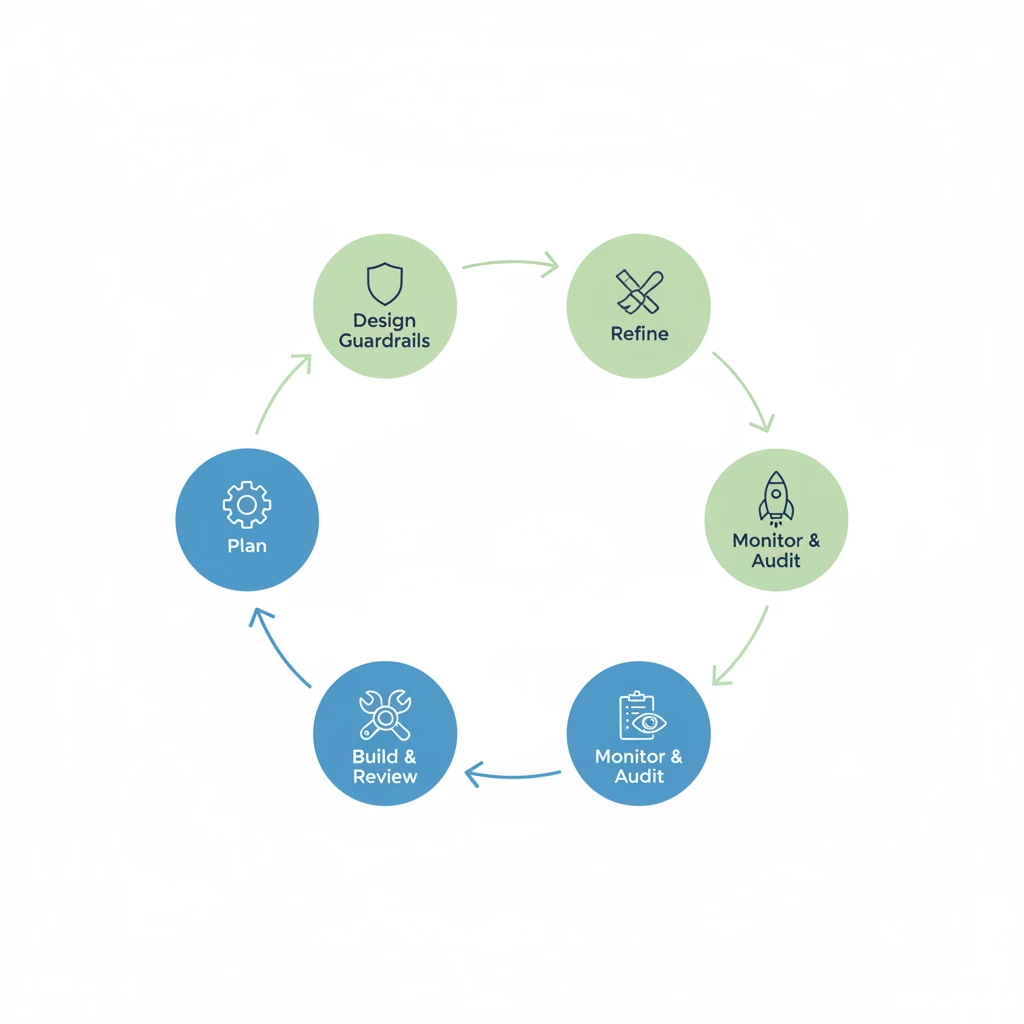
Quora maintains some of the most restrictive healthcare advertising policies among major digital platforms, creating both challenges and opportunities for compliant healthcare marketing. The platform explicitly prohibits promotion of healthcare-related content across multiple categories, including over-the-counter medications, prescription medication information, medical services and procedures, clinical trial recruitment, and hospitals and clinics.
These restrictions effectively eliminate most direct healthcare advertising on the platform, requiring healthcare marketers to adopt alternative approaches focused on educational content and thought leadership rather than direct product or service promotion. However, the platform’s restrictions create opportunities for organizations willing to invest in genuine expertise sharing and community value creation.
Successful healthcare organizations have learned to leverage Quora’s approval process for promoting restricted content, demonstrating compliance with local regulations while avoiding content that could glorify potentially harmful behaviors. This approval mechanism requires advance planning and may result in campaign delays, but it provides a pathway for compliant promotional activities when properly executed.
The platform’s content quality standards emphasize accurate information, professional presentation, and genuine sharing of expertise, aligning well with healthcare organizations’ goals of establishing authority and building trust with potential patients. Healthcare professionals who focus on providing valuable, authoritative responses rather than promotional content often find their contributions rewarded through the platform’s community-driven upvoting system.
Building a HIPAA-Compliant Quora Marketing Strategy
Developing effective healthcare Quora marketing compliance requires a systematic approach that integrates regulatory requirements with platform-specific considerations and organizational capabilities. The foundation begins with comprehensive social media policies that specifically address engagement on Q&A platforms, establishing clear guidelines for healthcare professionals on appropriate content creation and patient interaction protocols.
Healthcare organizations must implement multi-tiered content review processes that ensure all Quora marketing content receives appropriate oversight before publication. These processes should include medical review to verify clinical accuracy, legal review to assess regulatory compliance, and marketing review to ensure alignment with organizational messaging strategies. The review process must balance thoroughness with the responsiveness required for higher engagement rates on the Q&A platform.
Training and education programs represent critical components of compliant Quora marketing implementation. Healthcare professionals engaging in Q&A marketing must receive comprehensive training on HIPAA requirements, FDA promotional guidelines, FTC advertising standards, and platform-specific policies. These programs should include practical exercises that help participants recognize potential compliance risks and develop appropriate response strategies for common Q&A scenarios.
The development of standardized response templates helps ensure consistent compliance with regulatory requirements while enabling efficient Q&A engagement. These templates should include appropriate disclaimers regarding the limitations of online medical advice, clear statements about the need for personalized medical consultation, and standard language for addressing common compliance risks.
Organizations should establish clear guidelines distinguishing between general health education content, which is generally permissible, and personalized medical advice, which may create liability risks and regulatory compliance challenges. Strategic content marketing approaches can help healthcare organizations develop educational content frameworks that provide value while maintaining compliance boundaries.
Measuring ROI from Compliant Engagement Strategies
Healthcare organizations often express concern that strict compliance requirements will diminish marketing performance and the effectiveness of lead generation efforts. However, real-world evidence demonstrates that well-executed compliance strategies can actually enhance marketing outcomes while reducing long-term risk exposure.
The key to achieving positive ROI from compliant healthcare marketing lies in viewing compliance as a competitive differentiator rather than a constraint. Healthcare organizations that invest in robust compliance frameworks often discover they can engage more confidently in digital marketing activities, leading to increased content production, more comprehensive platform utilization, and enhanced thought leadership development.
Measurement strategies for compliant healthcare marketing must account for longer attribution windows and more complex customer journeys than traditional digital marketing campaigns. Healthcare decisions typically involve extended research periods, multiple stakeholder consultations, and careful consideration of provider qualifications and trustworthiness. Compliance-focused campaigns that emphasize education and trust-building often generate better long-term outcomes than aggressive promotional approaches that may create compliance risks.
Organizations have found that compliance-driven marketing approaches tend to generate higher-quality leads with better conversion rates and longer customer lifetime values. Patients acquired through educational, trust-building campaigns demonstrate greater satisfaction, lower churn rates, and higher referral generation than those acquired through aggressive promotional tactics.
Implementing Risk Monitoring and Incident Response Systems
Effective healthcare Quora marketing compliance requires comprehensive monitoring systems that can identify potential violations before they result in regulatory enforcement or reputational damage. Healthcare organizations must implement proactive monitoring strategies to address the unique risks associated with real-time Q&A engagement while providing adequate oversight of both planned and spontaneous content creation activities.
Automated monitoring systems should be configured to identify potential HIPAA violations through keyword detection, content analysis, and pattern recognition, which can flag responses containing patient-specific information or other protected health information. These systems should also monitor for promotional compliance issues, including unsupported product claims, off-label promotion, and inadequate risk disclosure.
Healthcare organizations should establish clear escalation procedures for addressing different types of compliance risks identified through monitoring activities. These procedures should distinguish between immediate-response situations, such as potential HIPAA violations requiring immediate content removal, and less-urgent issues that can be addressed through routine compliance review processes.
Regular compliance risk assessments should evaluate the effectiveness of existing risk mitigation strategies and identify emerging compliance challenges. These assessments should consider changes in regulatory requirements, platform policies, and organizational Quora marketing activities that may create new compliance risks, and provide specific recommendations to enhance compliance strategies.
Comprehensive marketing information systems can support compliance monitoring and regulatory reporting requirements by maintaining detailed records of all Q&A marketing activities, including content creation, review processes, and compliance decisions.
Turning Compliance Into a Competitive Advantage
Forward-thinking healthcare organizations are discovering that robust compliance frameworks can become powerful competitive differentiators in crowded healthcare markets. Rather than viewing regulatory requirements as constraints, these organizations leverage their compliance expertise to build trust, demonstrate professionalism, and establish authority in ways that less compliant competitors cannot match.
Healthcare organizations with strong compliance programs often find they can engage more aggressively in content marketing, thought leadership, and educational initiatives because their risk management systems provide confidence in their ability to navigate complex regulatory requirements. This increased engagement translates to greater visibility, enhanced reputation, and improved lead generation outcomes.
The integration of compliance considerations into broader marketing and communication strategies requires careful coordination to ensure consistent messaging across all channels. Organizations should establish clear governance structures that coordinate Quora marketing with other digital marketing activities, traditional advertising campaigns, and clinical communication programs.
Compliance-focused marketing approaches also tend to generate more sustainable business outcomes, as they build relationships based on trust, expertise, and genuine value creation rather than on aggressive promotional tactics that may yield short-term gains but carry long-term risks. Healthcare organizations that prioritize compliance often discover they develop stronger patient relationships, better online reputations, and more resilient marketing programs.
Strategic marketing leadership plays a crucial role in transforming compliance from a constraint into a competitive advantage, requiring CMOs and marketing leaders to view regulatory requirements as opportunities for differentiation and trust-building.
Building Sustainable, Compliant Growth Through Strategic Q&A Marketing
Healthcare Quora marketing compliance in 2025 represents both a significant challenge and a tremendous opportunity for organizations willing to invest in proper frameworks, training, and monitoring systems. The regulatory environment continues to evolve rapidly, with enforcement agencies demonstrating increasing sophistication in their oversight of digital marketing activities and platforms implementing more restrictive policies around healthcare content.
However, healthcare organizations that master the compliance requirements discover they can build more sustainable, trust-based marketing programs that generate better long-term outcomes than aggressive promotional approaches that create regulatory risks. The key lies in viewing compliance as a strategic advantage rather than a constraint, using regulatory expertise to build trust, demonstrate professionalism, and establish authority in ways that less compliant competitors cannot match.
Success in healthcare Quora marketing compliance requires ongoing investment in training, technology, and process development, but organizations that make these investments often find they can engage more confidently and comprehensively in digital marketing activities. The result is enhanced visibility, improved reputation, and increased lead generation. All while maintaining the trust and safety that patients demand from healthcare providers.
Advanced marketing technologies continue to evolve, offering new opportunities for compliant healthcare marketing while creating new compliance challenges that require ongoing attention and adaptation. The organizations that will succeed in this environment are those that view compliance as an ongoing strategic priority rather than a one-time implementation challenge.
Ready to transform your healthcare marketing compliance from a constraint into a competitive advantage? Get Your Customized Quora Strategy and discover how data-driven compliance frameworks can unlock sustainable growth while protecting your organization from regulatory risks.
Ready to turn healthcare compliance from your biggest headache into your secret competitive weapon?
Frequently Asked Questions
-
What are the main regulatory frameworks healthcare organizations must follow when marketing on Quora?
Healthcare organizations must comply with HIPAA for patient privacy protection, FDA guidelines for promotional claims about drugs and medical devices, and FTC standards for truth in advertising. These federal requirements are supplemented by state-level medical board regulations that may impose additional restrictions on physician advertising and patient communication.
-
Why won't major platforms like Quora sign Business Associate Agreements with healthcare organizations?
Major advertising platforms including Quora refuse to sign Business Associate Agreements (BAAs) because they don’t want the legal liability and compliance obligations that come with handling protected health information. This forces healthcare marketers to avoid transmitting any PHI and focus on educational content rather than personalized medical advice or targeted campaigns.
-
What content review process should healthcare organizations implement for Quora marketing?
Healthcare organizations should establish a multi-tiered review system that includes medical review for clinical accuracy, legal review for regulatory compliance, and marketing review for brand alignment. This process should also include standardized response templates with appropriate disclaimers and clear guidelines distinguishing between general health education and personalized medical advice.
-
What monitoring systems should be in place to prevent compliance violations on Quora?
Healthcare organizations should implement automated monitoring systems with keyword detection and content analysis to flag potential HIPAA violations or promotional compliance issues. These systems should include clear escalation procedures for different violation types and regular compliance risk assessments to identify emerging challenges.
-
Can healthcare organizations actually improve ROI by focusing on compliance?
Yes, compliance-focused strategies often increase marketing effectiveness by building trust and reducing long-term risks.
-
What training should healthcare professionals receive before engaging in Quora marketing?
Healthcare professionals need comprehensive training on HIPAA requirements, FDA promotional guidelines, FTC advertising standards, and Quora’s specific healthcare policies. The training should include practical exercises for recognizing compliance risks and developing appropriate responses for common Q&A scenarios, plus ongoing education as regulations evolve.



