

The Future of PPC: How ChatGPT Ads Changes Everything


The landscape of Paid Per Click (PPC) advertising is undergoing a profound transformation, largely driven by the rapid advancements in AI. Among these innovations, ChatGPT, a powerful large language model, stands out as a game-changer, promising to redefine how advertisers approach campaign strategy, execution, and optimization. This article explores the multifaceted impact of ChatGPT on PPC, examining its current applications, future potential, and the challenges and opportunities it presents for marketers. For a broader understanding of PPC, you can refer to our PPC Fundamentals Guide.
TABLE OF CONTENTS:
- ChatGPT's Impact on Keyword Research and Ad Copy
- Automating Ad Campaign Management with AI
- Personalization and Hyper-Targeting With ChatGPT
- Ethical Considerations and Challenges
- The Evolving Role of PPC Specialists
- Future Outlook: Beyond ChatGPT
- Conclusion: Embracing the AI Revolution in PPC
- Frequently Asked Questions About The Future of PPC: How ChatGPT Ads Changes Everything
ChatGPT’s Impact on Keyword Research and Ad Copy
ChatGPT’s ability to understand natural language and generate human-like text has revolutionized keyword research and ad copy creation. Traditionally, these tasks were labor-intensive, requiring extensive manual effort and creative input. Now, ChatGPT can rapidly generate comprehensive lists of relevant keywords, including long-tail variations that might otherwise be overlooked. Furthermore, it can craft compelling and highly targeted ad copy, headlines, and descriptions that resonate with specific audience segments, significantly improving click-through rates (CTRs) and conversion rates. This automation frees up valuable time for PPC specialists to focus on higher-level strategic planning.
Automating Ad Campaign Management with AI
Beyond keyword and copy generation, ChatGPT is poised to automate various aspects of ad campaign management. From setting up campaigns and bidding strategies to monitoring performance and making real-time adjustments, AI-powered tools can handle repetitive tasks with unprecedented efficiency. This not only reduces operational costs but also minimizes human error, leading to more optimized campaigns. The integration of ChatGPT with existing PPC platforms allows for dynamic ad creation and deployment, ensuring that campaigns remain fresh and relevant to evolving market trends. For instance, AI can analyze performance data and suggest optimal budget allocations across different ad groups, maximizing return on investment (ROI). You can learn more about AI in Digital Marketing on our blog.
Personalization and Hyper-Targeting With ChatGPT
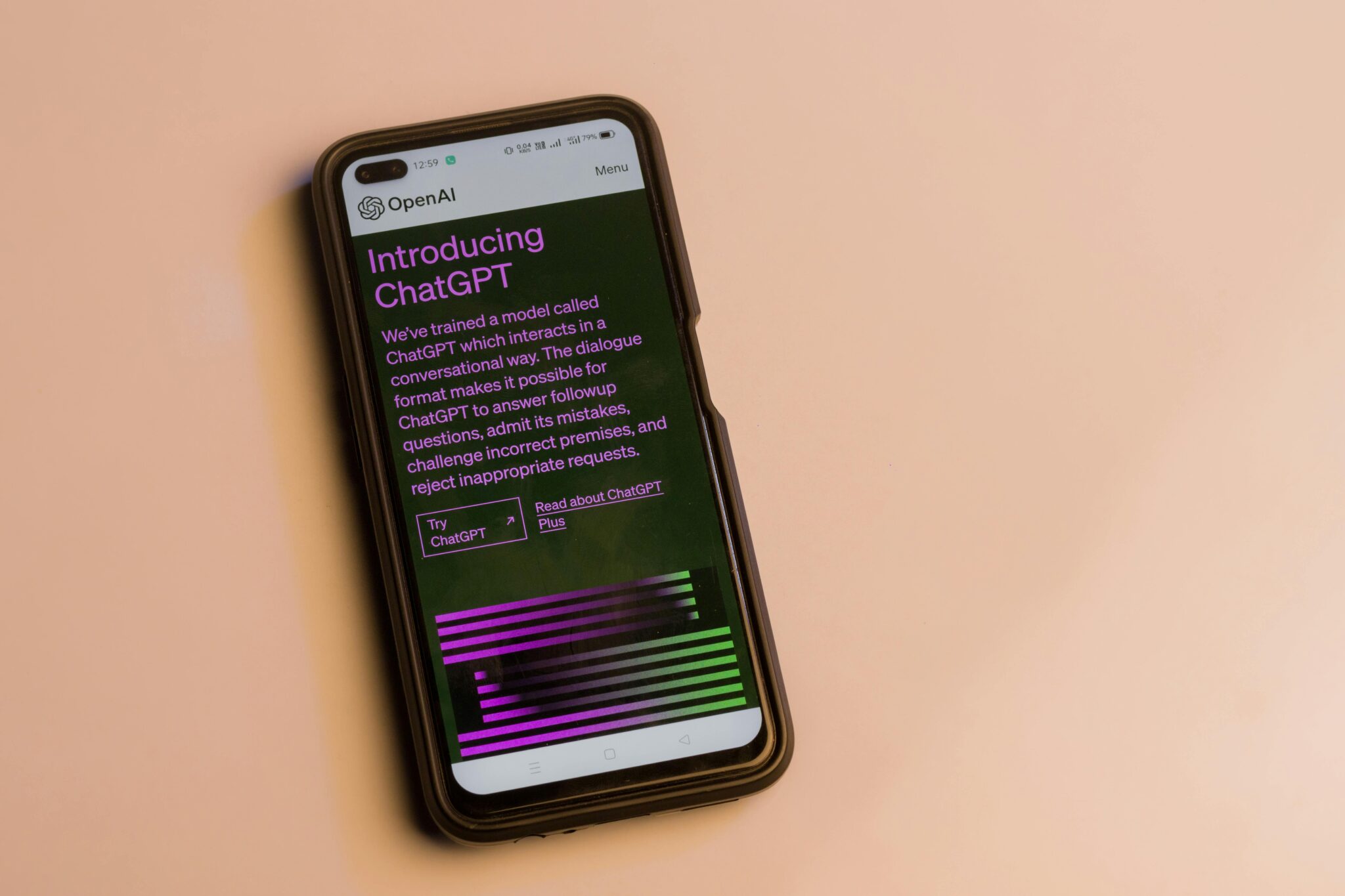
One of the most significant advantages of ChatGPT in PPC is its capacity for advanced personalization and hyper-targeting. By analyzing vast amounts of user data, including search queries, browsing history, and demographic information, ChatGPT can help advertisers create highly individualized ad experiences. This level of personalization goes beyond basic segmentation, allowing for tailored messaging that speaks directly to the individual needs and preferences of potential customers. The result is a more engaging and effective ad experience, leading to higher conversion rates and stronger brand loyalty. This capability is particularly impactful in competitive markets where standing out is crucial.
Ethical Considerations and Challenges
While the benefits of ChatGPT in PPC are substantial, it also introduces several ethical considerations and challenges. Concerns around data privacy, algorithmic bias, and the potential for misuse of AI in advertising are paramount. Advertisers must ensure that their use of AI adheres to strict ethical guidelines and regulatory frameworks, such as GDPR and CCPA. Additionally, the reliance on AI could lead to a lack of transparency in ad operations, making it difficult to understand why certain ads perform better than others. For more insights into data privacy, consider reading this article on data privacy regulations. Addressing these challenges requires a concerted effort from developers, advertisers, and policymakers to establish clear standards and best practices.
The Evolving Role of PPC Specialists
The advent of ChatGPT does not diminish the role of PPC specialists; rather, it transforms it. Instead of spending countless hours on manual tasks, specialists can now leverage AI as a powerful assistant, focusing on strategic oversight, creative direction, and complex problem-solving. Their expertise will be crucial in interpreting AI-generated insights, refining AI models, and ensuring that campaigns align with broader business objectives. The future PPC specialist will be a hybrid professional, combining deep marketing knowledge with a strong understanding of AI capabilities and limitations. Continuous learning and adaptation will be key to success in this evolving landscape. Explore our resources on PPC Career Paths for further guidance.
Future Outlook: Beyond ChatGPT
The evolution of AI in PPC is far from over. Beyond ChatGPT, future iterations of AI models will likely offer even more sophisticated capabilities, including predictive analytics, advanced sentiment analysis, and multi-modal content generation. We can anticipate AI systems that can not only generate ad content but also design entire visual campaigns, predict market shifts, and even negotiate ad placements autonomously. The continuous development of AI will further blur the lines between human and machine capabilities, pushing the boundaries of what is possible in digital advertising. The future promises an even more intelligent and automated PPC ecosystem.
Conclusion: Embracing the AI Revolution in PPC
The integration of ChatGPT into PPC advertising marks a pivotal moment in the industry’s history. It offers unprecedented opportunities for efficiency, personalization, and strategic advantage. While challenges related to ethics and adaptation exist, the overall trajectory points towards a future where AI is an indispensable partner for PPC professionals. Embracing this AI revolution, understanding its nuances, and continuously evolving alongside the technology will be critical for advertisers looking to thrive in the years to come. The future of PPC is undeniably intelligent, dynamic, and driven by AI.
Frequently Asked Questions About The Future of PPC: How ChatGPT Ads Changes Everything
Q: How does ChatGPT improve keyword research? A: ChatGPT can generate extensive lists of relevant keywords, including long-tail variations, by understanding natural language queries, saving significant time and improving targeting accuracy.
Q: Can ChatGPT fully automate PPC campaign management? A: While ChatGPT can automate many aspects of campaign management, such as bidding and ad adjustments, human oversight and strategic input remain crucial for optimal performance and ethical considerations.
Q: What are the main ethical concerns with using AI in PPC? A: Key concerns include data privacy, potential algorithmic bias in ad targeting, and the need for transparency in AI-driven decision-making processes.
Q: How will the role of PPC specialists change with AI integration? A: PPC specialists will transition from manual task execution to strategic oversight, creative direction, and interpreting AI-generated insights, becoming more of a hybrid professional.
Q: What are the future prospects for AI in PPC beyond ChatGPT? A: Future AI models are expected to offer more advanced capabilities like predictive analytics, sentiment analysis, and multi-modal content generation, leading to even more automated and intelligent campaigns.
Ready to harness the power of AI for your PPC campaigns? Learn how Single Grain can help you integrate cutting-edge AI solutions like ChatGPT to optimize your advertising strategy and achieve superior results. Visit Single Grain today to discover more!