

Semantic Intent Marketing: The ChatGPT Ads Approach


In the rapidly evolving landscape of digital advertising, understanding user intent is paramount. Gone are the days when simple keyword matching sufficed. Today, marketers are shifting towards semantic intent marketing, a sophisticated approach that delves into the true meaning behind a user’s search queries and online behavior. This paradigm shift is further amplified by the integration of advanced artificial intelligence, particularly large language models like ChatGPT. This article explores how semantic intent marketing, powered by ChatGPT Ads, is revolutionizing the way businesses connect with their target audiences, offering a more precise, personalized, and ultimately more effective advertising experience. We will delve into the core concepts, practical applications, benefits, and future implications of this cutting-edge strategy.
TABLE OF CONTENTS:
- What is Semantic Intent Marketing?
- The Role of ChatGPT in Semantic Intent Marketing
- How ChatGPT Ads Leverage Semantic Intent
- Benefits of Semantic Intent Marketing with ChatGPT Ads
- Implementing Semantic Intent Marketing for ChatGPT Ads
- Challenges and Considerations
- Future of Semantic Intent Marketing and AI
- Conclusion
- Frequently Asked Questions About Semantic Intent Marketing: The ChatGPT Ads Approach
- Ready to Transform Your Advertising Strategy?
What is Semantic Intent Marketing?
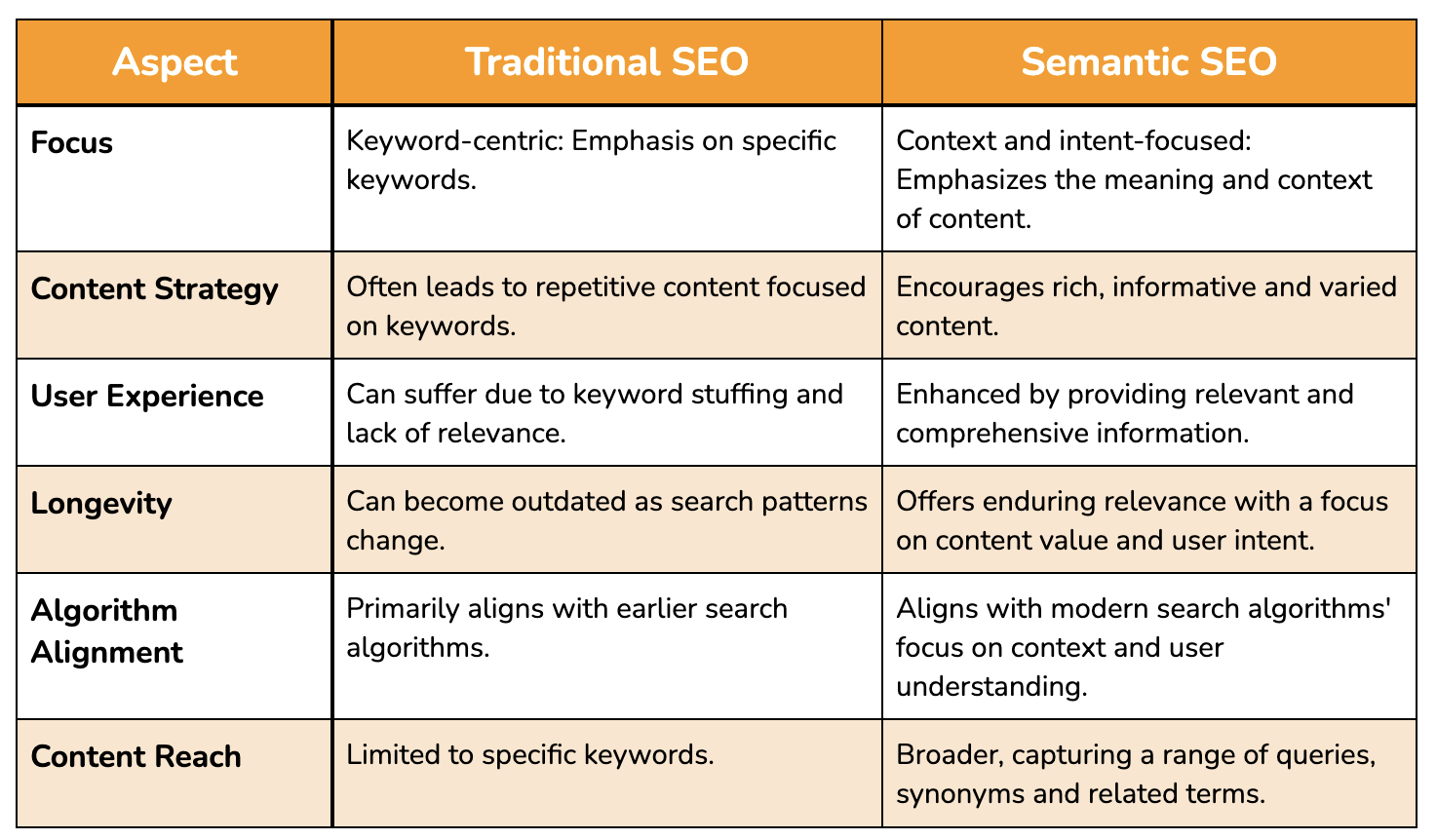
Semantic intent marketing moves beyond superficial keyword analysis to grasp the underlying purpose and context of a user’s query. Instead of merely identifying keywords, it seeks to understand why a user is searching for something, what they hope to achieve, and what stage of the buyer’s journey they are in. For instance, a search for “best running shoes” could indicate a user looking to purchase, while “how to choose running shoes” suggests a user in the research phase. Semantic intent marketing leverages natural language processing (NLP) and machine learning to interpret these nuances, allowing advertisers to deliver highly relevant content and ads. This approach contrasts sharply with traditional keyword-based strategies, which often lead to generic ads and lower engagement rates because they miss the deeper meaning behind user queries. The goal is to match the user’s intent with the most appropriate solution, fostering a more meaningful interaction. For a deeper dive into the fundamentals of semantic search, a foundational concept for semantic intent marketing, you can refer to this external resource: Search Engine Journal on Semantic Search.
The Role of ChatGPT in Semantic Intent Marketing
Artificial intelligence, particularly large language models (LLMs) like ChatGPT, has become a game-changer in semantic intent marketing. ChatGPT’s advanced NLP capabilities allow it to understand and generate human-like text, making it exceptionally adept at interpreting complex user queries and predicting their underlying intent. Unlike earlier AI models, ChatGPT can process vast amounts of unstructured data, identify subtle linguistic patterns, and infer context with remarkable accuracy. This ability is crucial for semantic intent marketing, as it enables a more granular understanding of user needs than ever before. For example, if a user searches for “eco-friendly ways to heat my home,” ChatGPT can discern that the user is not just looking for heating solutions but specifically for environmentally conscious options, guiding the ad delivery towards sustainable energy providers rather than conventional furnace companies. This predictive power extends to anticipating future user needs and tailoring marketing messages proactively, creating a more fluid and intuitive user journey. The integration of such powerful AI tools marks a significant leap from simple keyword matching to sophisticated intent prediction, offering advertisers an unprecedented level of precision. Internal Link: Understanding AI in Marketing.
How ChatGPT Ads Leverage Semantic Intent
ChatGPT Ads harness the power of semantic intent to deliver highly targeted and personalized advertising experiences. Instead of relying solely on keywords, these ads analyze the full context of a user’s online activity—including search queries, browsing history, and even conversational patterns—to infer their true intent. This allows for the creation of dynamic ad content that resonates deeply with the individual user. For instance, if a user has been researching “vegan recipes” and “plant-based nutrition,” ChatGPT Ads can identify a strong semantic intent related to healthy, ethical eating. Consequently, the user might be shown ads for organic food delivery services, vegan cookbooks, or sustainable kitchen products, even if they haven’t explicitly searched for those specific items. This level of contextual understanding enables advertisers to move beyond broad demographic targeting to hyper-personalization, leading to higher click-through rates and conversion rates. The system continuously learns and adapts, refining its understanding of user intent based on real-time interactions, ensuring that ads remain relevant and effective. Consider a scenario where a user is planning a trip; traditional ads might show generic travel deals, but ChatGPT Ads, understanding the user’s semantic intent for a “family-friendly beach vacation in Florida,” would present highly specific offers for resorts with kids’ clubs in Destin or Orlando. This precision minimizes ad waste and maximizes impact.
Benefits of Semantic Intent Marketing with ChatGPT Ads
Adopting semantic intent marketing with ChatGPT Ads offers a multitude of benefits for businesses:
- Improved ROI: By targeting users with highly relevant ads based on their true intent, businesses can significantly reduce wasted ad spend and achieve higher conversion rates, leading to a better return on investment. This precision ensures that marketing budgets are allocated more effectively.
- Enhanced User Experience: Users are more likely to engage with ads that genuinely address their needs and interests. This leads to a less intrusive and more helpful advertising experience, fostering positive brand perception and customer loyalty. When ads feel like solutions rather than interruptions, the user journey becomes smoother.
- Competitive Advantage: Businesses that master semantic intent marketing gain a significant edge over competitors still relying on outdated keyword-based strategies. The ability to anticipate and meet user needs more effectively positions them as industry leaders and innovators. This forward-thinking approach can capture market share.
- Deeper Customer Insights: The continuous analysis of semantic intent provides invaluable data on customer behavior, preferences, and evolving needs. These insights can inform broader marketing strategies, product development, and content creation, leading to a more holistic understanding of the target audience. For example, identifying a growing semantic intent around “sustainable packaging” could prompt a company to invest in eco-friendly product design.
Implementing Semantic Intent Marketing for ChatGPT Ads
Implementing a successful semantic intent marketing strategy with ChatGPT Ads involves several key steps:
- Comprehensive Intent Research: Begin by conducting in-depth research into your target audience’s semantic intent. This goes beyond keyword research and involves analyzing search queries, forum discussions, social media conversations, and customer feedback to uncover the underlying needs and motivations. Tools that offer sentiment analysis and topic modeling can be particularly useful here. Understanding the various stages of the buyer’s journey—awareness, consideration, decision—and the specific intents associated with each stage is critical.
- Content Optimization for Intent: Develop content that directly addresses identified semantic intents. This means creating a variety of content formats, from blog posts and guides to product pages and FAQs, each tailored to a specific intent. Ensure your content is not only keyword-rich but also semantically rich, using related terms and concepts that signal relevance to AI models. For example, if the intent is “how to fix a leaky faucet,” the content should not only mention “how to fix a leaky faucet,” the content should not only mention “faucet repair” but also related terms like “plumbing issues,” “water leaks,” and “DIY home repair.”
- Leveraging ChatGPT for Ad Creation: Utilize ChatGPT to generate ad copy that is semantically aligned with user intent. This includes crafting compelling headlines, descriptions, and calls to action that speak directly to the user’s needs. ChatGPT can also assist in generating variations of ad copy for A/B testing, optimizing for different semantic nuances and target segments. The AI can analyze performance data to suggest improvements, ensuring continuous optimization of ad creatives.
- Continuous Monitoring and Optimization: Semantic intent marketing is not a set-it-and-forget-it strategy. It requires continuous monitoring of ad performance, user behavior, and evolving intent patterns. Use analytics to identify what’s working and what’s not, and make data-driven adjustments to your campaigns. ChatGPT can aid in analyzing large datasets to uncover trends and insights that might be missed by human analysis, providing recommendations for refining targeting and messaging. Regular audits of your content and ad creatives are essential to maintain relevance and effectiveness. For an external perspective on optimizing ad campaigns, consider resources like WordStream’s PPC Optimization Guide.
Challenges and Considerations
While semantic intent marketing with ChatGPT Ads offers significant advantages, it also presents certain challenges and considerations:
- Data Privacy and Ethics: The reliance on extensive user data raises important questions about privacy and ethical AI usage. Marketers must ensure compliance with data protection regulations (e.g., GDPR, CCPA) and maintain transparency with users about data collection and usage. Ethical considerations also extend to avoiding manipulative or discriminatory advertising practices that could arise from highly personalized targeting.
- Complexity and Expertise: Implementing and managing a sophisticated semantic intent marketing strategy requires a deep understanding of AI, NLP, and data analytics. Businesses may need to invest in training their teams or hiring specialized talent to effectively leverage these technologies. The initial setup can be complex, demanding careful planning and execution.
- Continuous Evolution of AI: The field of AI is constantly evolving, with new models and capabilities emerging regularly. Marketers must stay abreast of these advancements to ensure their strategies remain cutting-edge and effective. This requires a commitment to continuous learning and adaptation, as what works today might be obsolete tomorrow.
- Over-reliance on Automation: While AI offers powerful automation capabilities, an over-reliance on it without human oversight can lead to errors or missed opportunities. Human creativity, strategic thinking, and ethical judgment remain indispensable in guiding AI-powered marketing efforts. A balanced approach, combining AI efficiency with human insight, is crucial.
Future of Semantic Intent Marketing and AI
The future of semantic intent marketing, particularly with the continued advancement of AI like ChatGPT, promises even more sophisticated and personalized advertising experiences. We can anticipate:
- Hyper-Personalization at Scale: AI will enable marketers to deliver truly individualized ad experiences, not just to segments but to each user based on their real-time intent and context. This will move beyond current personalization to a level where every interaction feels uniquely tailored.
- Predictive Intent Modeling: AI models will become even more adept at predicting future user needs and behaviors, allowing advertisers to proactively engage users with relevant offers before they even express a clear intent. This could involve anticipating life events or major purchase decisions.
- Conversational Advertising: The integration of conversational AI will lead to more interactive and engaging ad formats, where users can have natural language conversations with brands to discover products and services. This blurs the lines between advertising and customer service.
- Cross-Platform Semantic Understanding: AI will facilitate a seamless understanding of user intent across various platforms and devices, creating a unified and consistent advertising experience regardless of where the user is interacting. This will break down data silos and create a more holistic view of the customer journey.
These advancements will further solidify semantic intent marketing as the cornerstone of effective digital advertising, transforming how brands connect with their audiences and drive business growth. Internal Link: The Evolution of Digital Marketing.
Conclusion
Semantic intent marketing, supercharged by the capabilities of ChatGPT Ads, represents a pivotal shift in the digital advertising paradigm. By moving beyond superficial keywords to understand the deeper meaning behind user queries, businesses can deliver highly relevant, personalized, and effective advertising experiences. While challenges related to data privacy, complexity, and the rapid evolution of AI exist, the benefits—including improved ROI, enhanced user experience, and competitive advantage—are undeniable. As AI continues to advance, the future promises even greater levels of personalization and predictive power, making semantic intent marketing an indispensable strategy for any business aiming to thrive in the digital age. Embracing this approach is not just about adopting new technology; it’s about fundamentally rethinking how we understand and engage with our customers, paving the way for a more intelligent and impactful advertising future.
Frequently Asked Questions About Semantic Intent Marketing: The ChatGPT Ads Approach
Q1: What is the primary difference between keyword marketing and semantic intent marketing? A1: Keyword marketing focuses on matching specific keywords in a user’s query, often leading to broad targeting. Semantic intent marketing, on the other hand, analyzes the underlying meaning, context, and purpose behind a user’s query, allowing for much more precise and relevant ad delivery. It seeks to understand the ‘why’ behind the search, not just the ‘what’.
Q2: How does ChatGPT enhance semantic intent marketing? A2: ChatGPT, with its advanced natural language processing (NLP) capabilities, significantly enhances semantic intent marketing by accurately interpreting complex user queries, identifying subtle linguistic patterns, and inferring context. This allows for a more granular understanding of user needs and predictive capabilities for future intent, leading to highly targeted ad content.
Q3: What are the main benefits of using ChatGPT Ads for semantic intent marketing? A3: The main benefits include improved Return on Investment (ROI) due to highly relevant targeting, an enhanced user experience with less intrusive and more helpful ads, a significant competitive advantage over businesses using traditional methods, and deeper customer insights derived from continuous analysis of user intent.
Q4: What are some challenges in implementing semantic intent marketing with ChatGPT Ads? A4: Challenges include navigating data privacy and ethical AI considerations, the need for specialized expertise in AI and data analytics, keeping up with the continuous evolution of AI technologies, and avoiding over-reliance on automation without human oversight. A balanced approach is key.
Q5: Can semantic intent marketing be applied to all types of digital advertising? A5: While most applicable to search and display advertising, the principles of semantic intent marketing can be extended to various forms of digital advertising, including social media ads, content marketing, and email campaigns. The core idea of understanding and targeting user intent is universally beneficial across digital channels.
Ready to Transform Your Advertising Strategy?
Discover how Single Grain can help you implement cutting-edge semantic intent marketing with ChatGPT Ads to achieve unparalleled results. Contact Single Grain Today!



