

From Interruption to Solution: The ChatGPT Ads Philosophy


In an increasingly noisy digital landscape, traditional advertising often feels like an unwelcome interruption. Consumers are bombarded with ads across every platform, leading to ad fatigue and a growing skepticism towards marketing messages. However, a new philosophy is emerging, driven by the advancements in conversational AI, particularly ChatGPT. This philosophy, which we term “The ChatGPT Ads Philosophy,” seeks to transform advertising from an intrusive interruption into a valuable, solution-oriented interaction. It’s a paradigm shift that prioritizes user engagement, personalization, and genuine value delivery, fundamentally reshaping how brands connect with their audiences.
TABLE OF CONTENTS:
- The Evolution of Advertising: From Interruption to Engagement
- ChatGPT's Role in Modern Advertising
- The ChatGPT Ads Philosophy: A Paradigm Shift
- Key Principles of the ChatGPT Ads Philosophy
- Implementing the ChatGPT Ads Philosophy
- Benefits for Businesses and Consumers
- Challenges and Future Outlook
- Conclusion
- Frequently Asked Questions About The ChatGPT Ads Philosophy
- Q: What is the core idea behind The ChatGPT Ads Philosophy?
- Q: How does this philosophy differ from traditional advertising?
- Q: What are the main benefits for businesses adopting this approach?
- Q: Are there any ethical concerns with using AI in advertising?
- Q: What kind of Call to Action (CTA) is recommended for this philosophy?
The Evolution of Advertising: From Interruption to Engagement
For decades, advertising has largely operated on an interruption model. Think of television commercials breaking up your favorite show, pop-up ads disrupting your browsing experience, or billboards vying for your attention on the highway. While effective in their time, these methods often create friction, leading to negative brand perceptions. The rise of the internet brought new channels, but the underlying interruption model persisted, albeit in digital forms like banner ads and pre-roll videos.
The digital age also ushered in an era of data-driven marketing, allowing for more targeted advertising. Yet, even with precise targeting, the core issue of interruption remained. Consumers developed ad blockers, skipped commercials, and scrolled past sponsored content, signaling a clear desire for a different approach. The demand for engagement, relevance, and value has never been higher, pushing marketers to seek innovative solutions that resonate with modern audiences.
ChatGPT’s Role in Modern Advertising
ChatGPT, and conversational AI in general, represents a pivotal moment in this evolution. Its ability to understand natural language, generate human-like text, and engage in dynamic conversations opens up unprecedented opportunities for advertising. Instead of static, one-way messages, brands can now interact with consumers in real-time, addressing their specific needs and offering tailored solutions. This capability moves advertising beyond mere exposure to active participation.
The ChatGPT Ads Philosophy: A Paradigm Shift
The ChatGPT Ads Philosophy is built on the premise that advertising should serve as a helpful guide, providing solutions rather than merely pushing products. It reframes the ad experience as a conversation, where the brand listens, understands, and responds with relevant information or assistance. This approach moves away from the traditional sales funnel, which often feels transactional, towards a more empathetic and service-oriented interaction.
This philosophy recognizes that consumers are actively seeking information and solutions. By leveraging conversational AI, brands can meet them at their point of need, offering advice, answering questions, and guiding them towards the best possible outcome, which may or may not involve a direct product purchase. The ultimate goal is to build trust and foster long-term relationships, turning potential customers into loyal advocates.
Key Principles of the ChatGPT Ads Philosophy
1. Contextual Relevance and Personalization
At its core, this philosophy emphasizes understanding the user’s immediate context and tailoring interactions accordingly. ChatGPT’s ability to process and respond to natural language allows for highly personalized experiences, ensuring that every ad interaction feels relevant and timely. This goes beyond demographic targeting; it’s about understanding intent in the moment.
2. Solution-Oriented Engagement
Instead of highlighting product features, the focus shifts to how a product or service solves a user’s problem. ChatGPT can facilitate dialogues that explore user challenges and present solutions in a consultative manner, making the advertising feel less like a sales pitch and more like helpful advice.
3. Transparency and Trust
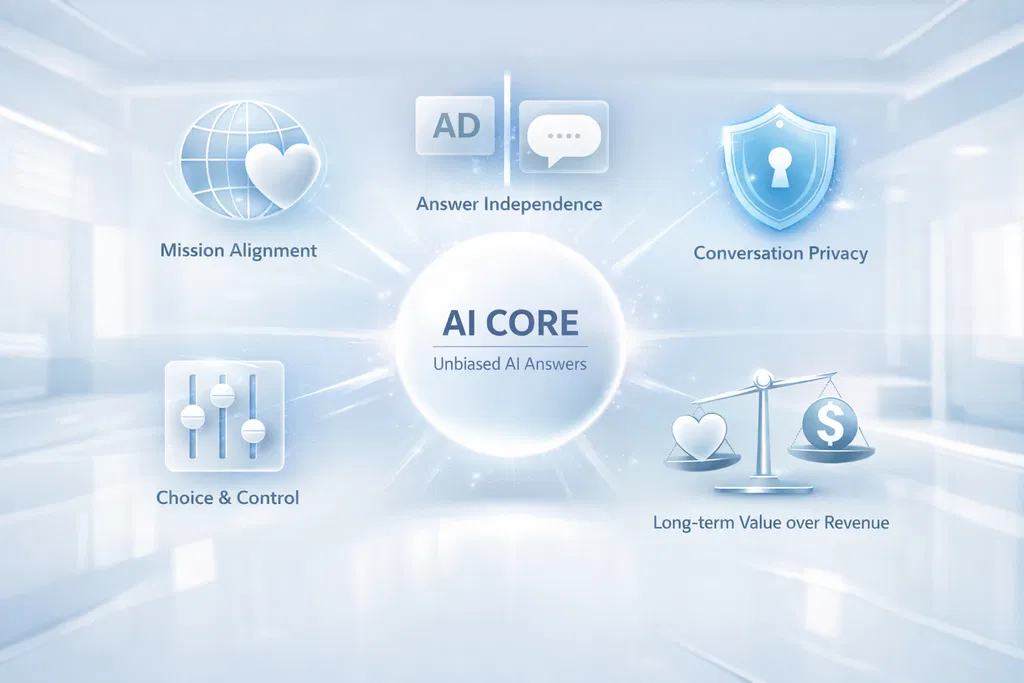
Building trust is paramount. The ChatGPT Ads Philosophy advocates for clear communication about the nature of the interaction. While AI-driven, the goal is to maintain authenticity and transparency, ensuring users feel they are engaging with a credible source. Ethical considerations, such as data privacy and AI bias, are integral to this principle.
4. Seamless Integration
Advertising should not disrupt the user experience but enhance it. This means integrating conversational ads seamlessly into platforms where users are already seeking information or assistance, such as customer service portals, search interfaces, or content platforms. The interaction should feel natural and intuitive, not forced.
5. Continuous Learning and Optimization
Conversational AI platforms can learn from every interaction, continuously refining their understanding of user needs and improving their ability to deliver relevant solutions. This iterative process allows for ongoing optimization of ad campaigns, ensuring maximum effectiveness and user satisfaction.
Implementing the ChatGPT Ads Philosophy
Implementing this philosophy requires a strategic shift in how businesses approach their marketing efforts. It involves:
- Developing Conversational AI Personas: Creating AI personalities that align with brand values and can effectively engage with users.
- Crafting Solution-Oriented Content: Designing ad content that focuses on problem-solving and value delivery, rather than just product promotion.
- Integrating Across Touchpoints: Deploying conversational AI across various customer touchpoints, from websites and apps to social media and messaging platforms.
- Measuring Engagement, Not Just Clicks: Shifting metrics to evaluate the quality of interactions, user satisfaction, and problem resolution, alongside traditional conversion rates.
Benefits for Businesses and Consumers
For Businesses:
- Increased Engagement and Conversion: More meaningful interactions lead to higher engagement and improved conversion rates.
- Enhanced Brand Loyalty: By providing genuine value and solutions, brands can build stronger relationships and foster greater loyalty.
- Richer Customer Insights: Conversational data offers deep insights into customer needs, preferences, and pain points, informing future product development and marketing strategies.
- Cost Efficiency: Automating customer interactions for advertising and support can lead to significant cost savings.
For Consumers:
- Personalized and Relevant Experiences: Ads become helpful resources tailored to individual needs.
- Reduced Ad Fatigue: Less intrusive and more valuable interactions reduce the feeling of being constantly bombarded.
- Empowered Decision-Making: Consumers receive the information they need to make informed choices, rather than being pushed towards purchases.
- Improved Customer Service: Seamless access to information and support through conversational interfaces.
Challenges and Future Outlook
While the ChatGPT Ads Philosophy offers immense potential, it also presents challenges. Ensuring ethical AI use, maintaining data privacy, and preventing AI from generating misleading or biased content are critical. The development of sophisticated AI models also requires significant investment and expertise.
Looking ahead, the future of advertising will likely see an even deeper integration of conversational AI. We can anticipate more sophisticated AI assistants capable of proactive engagement, predictive personalization, and even autonomous campaign management. The line between advertising, customer service, and product discovery will continue to blur, creating a more holistic and user-centric brand experience.
Conclusion
The ChatGPT Ads Philosophy marks a significant evolution in the advertising landscape. By shifting the focus from interruption to solution, brands can cultivate more meaningful, personalized, and trustworthy relationships with their audiences. As conversational AI continues to advance, this philosophy will undoubtedly become a cornerstone of effective and ethical marketing strategies, transforming the way we perceive and interact with advertising. It’s not just about selling; it’s about serving.
Frequently Asked Questions About The ChatGPT Ads Philosophy
Q: What is the core idea behind The ChatGPT Ads Philosophy?
A: The core idea is to transform advertising from an intrusive interruption into a valuable, solution-oriented interaction, leveraging conversational AI to provide personalized and relevant assistance to consumers.
Q: How does this philosophy differ from traditional advertising?
A: Traditional advertising often relies on an interruption model, pushing products to consumers. The ChatGPT Ads Philosophy, conversely, focuses on engaging users in conversations, understanding their needs, and offering solutions, thereby building trust and long-term relationships.
Q: What are the main benefits for businesses adopting this approach?
A: Businesses can expect increased engagement and conversion rates, enhanced brand loyalty, richer customer insights, and potential cost efficiencies through automated, personalized interactions.
Q: Are there any ethical concerns with using AI in advertising?
A: Yes, ethical considerations are crucial. These include ensuring transparency about AI interaction, maintaining data privacy, and actively working to prevent AI from generating biased or misleading content.
Q: What kind of Call to Action (CTA) is recommended for this philosophy?
A: For articles related to the ChatGPT Ads tab, a Single Grain CTA is recommended. This would typically involve encouraging users to explore Single Grain’s services related to AI marketing or conversational advertising, such as “Ready to revolutionize your advertising with AI? Partner with Single Grain today!”
Ready to revolutionize your advertising with AI? Partner with Single Grain today! Single Grain Website



