

Conversational Commerce: The ChatGPT Shopping Revolution


The retail landscape is undergoing a profound transformation, driven by advancements in artificial intelligence and natural language processing. At the forefront of this revolution is conversational commerce, a paradigm shift that integrates chat-based interfaces with shopping experiences. This evolution is not merely about convenience; it’s about creating a more personalized, efficient, and engaging journey for consumers. With the advent of sophisticated AI models like ChatGPT, the potential for conversational commerce to redefine how we discover, evaluate, and purchase products has become a tangible reality.
TABLE OF CONTENTS:
- What is Conversational Commerce?
- ChatGPT's Role in Reshaping the Shopping Experience
- Benefits for Businesses: Enhanced Engagement and Sales
- Benefits for Consumers: Personalized and Seamless Journeys
- Challenges and Considerations in Implementation
- The Future of Shopping: Beyond ChatGPT
- Conclusion
- Frequently Asked Questions About Conversational Commerce: The ChatGPT Shopping Revolution
- Ready to Transform Your Customer Engagement?
What is Conversational Commerce?
Conversational commerce refers to the intersection of messaging applications and e-commerce, allowing customers to interact with businesses through chat, voice assistants, or chatbots to facilitate purchases. This can range from simple customer service inquiries to complex product recommendations and transaction completions. The core idea is to replicate the natural, human-like interaction of a sales associate within a digital environment, making the shopping process feel less transactional and more relational. Early forms of conversational commerce often relied on rule-based chatbots, but the integration of advanced AI has unlocked unprecedented capabilities.
ChatGPT’s Role in Reshaping the Shopping Experience
ChatGPT, with its remarkable ability to understand context, generate human-like text, and engage in dynamic conversations, is proving to be a game-changer for conversational commerce. Unlike its predecessors, ChatGPT can interpret nuanced queries, offer creative solutions, and even anticipate customer needs, leading to a significantly improved user experience. Businesses are leveraging ChatGPT to power intelligent chatbots that can:
- Provide personalized product recommendations: By analyzing past purchases, browsing history, and real-time conversational cues, ChatGPT can suggest products that genuinely align with a customer’s preferences Personalized Marketing. For more insights into personalized marketing, visit Personalized Marketing Strategies.
- Answer complex product questions: From technical specifications to usage instructions, ChatGPT can access vast amounts of information and deliver accurate, easy-to-understand answers instantly.
- Guide customers through the sales funnel: From initial interest to post-purchase support, ChatGPT can act as a virtual sales assistant, offering guidance and resolving issues at every step.
- Automate order processing and customer service: This frees up human agents to focus on more complex tasks, improving operational efficiency and reducing response times. Learn more about optimizing customer service with AI at AI in Customer Service.
Benefits for Businesses: Enhanced Engagement and Sales
For businesses, embracing conversational commerce powered by ChatGPT offers a multitude of advantages. The most significant benefit is the ability to foster deeper customer engagement. By providing instant, personalized interactions, businesses can build stronger relationships and increase customer loyalty. This enhanced engagement often translates directly into increased sales and higher conversion rates. Furthermore, the automation capabilities of ChatGPT lead to substantial cost savings in customer service and sales operations. Businesses can also gather valuable insights from conversational data, allowing them to refine their marketing strategies and product offerings.
Benefits for Consumers: Personalized and Seamless Journeys
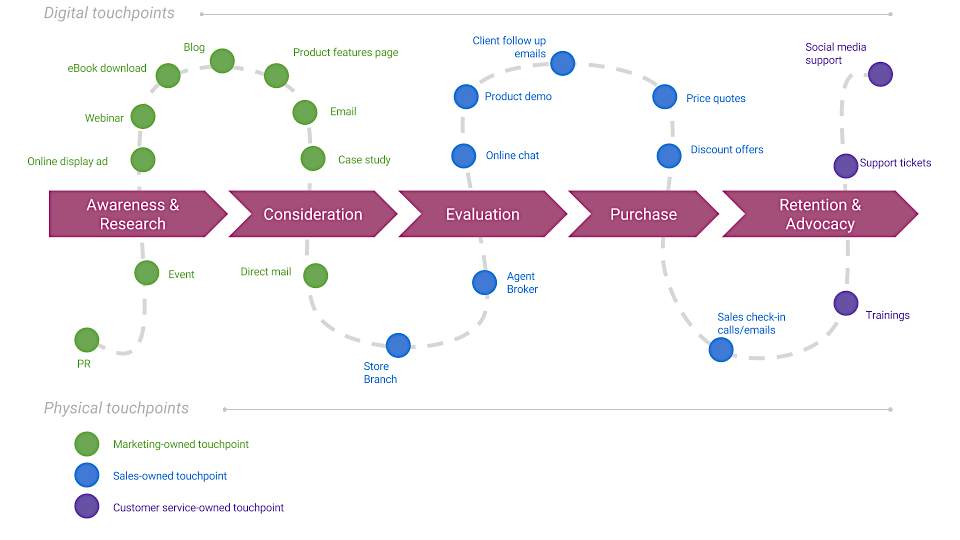
Consumers stand to gain immensely from the ChatGPT shopping revolution. The primary benefit is a highly personalized shopping experience that caters to individual needs and preferences. Imagine asking a chatbot for a gift recommendation for a friend who loves hiking and getting tailored suggestions instantly, complete with reviews and purchase links. This level of personalization, combined with the convenience of interacting through familiar messaging platforms, creates a seamless and enjoyable shopping journey. The ability to get instant answers to questions and resolve issues quickly also significantly reduces friction in the purchasing process. Discover strategies for seamless customer journeys at Seamless Customer Journeys.
Challenges and Considerations in Implementation
While the promise of conversational commerce is vast, its implementation comes with challenges. Ensuring data privacy and security is paramount, as customers share sensitive information during interactions. The accuracy and reliability of AI responses must also be continuously monitored and improved to prevent misinformation or frustrating customer experiences. Integrating ChatGPT with existing e-commerce platforms and backend systems can be complex, requiring significant technical expertise. Businesses must also consider the ethical implications of AI in customer interactions, ensuring transparency and fairness. Explore ethical AI guidelines at Ethical AI Guidelines.
The Future of Shopping: Beyond ChatGPT
Conversational commerce is still in its nascent stages, and the future holds even more exciting possibilities. We can anticipate further integration with augmented reality (AR) and virtual reality (VR), allowing customers to “try on” products virtually through conversational interfaces. The development of more sophisticated AI models will lead to even more natural and empathetic interactions, blurring the lines between human and AI assistance. The shopping experience will become increasingly proactive, with AI anticipating needs and offering solutions before customers even realize they have a problem. Read about the future of AI in retail at Future of AI in Retail. The ultimate goal is to create an invisible, intuitive shopping experience where technology seamlessly facilitates every desire.
Conclusion
Conversational commerce, supercharged by the capabilities of ChatGPT, is not just a trend; it’s the future of retail. By offering unparalleled personalization, efficiency, and engagement, it benefits both businesses and consumers. While challenges exist, the continuous evolution of AI promises a shopping revolution that will make our purchasing journeys more intelligent, intuitive, and enjoyable than ever before. The era of the ChatGPT shopping revolution is here, and it’s reshaping commerce one conversation at a time.
Frequently Asked Questions About Conversational Commerce: The ChatGPT Shopping Revolution
Q: What is conversational commerce? A: Conversational commerce integrates chat-based interfaces (like chatbots or messaging apps) with e-commerce to allow customers to interact with businesses and make purchases through conversations.
Q: How does ChatGPT enhance conversational commerce? A: ChatGPT’s advanced AI capabilities enable more human-like, contextual, and personalized interactions, leading to better product recommendations, more accurate answers to questions, and a smoother overall shopping experience.
Q: What are the main benefits for businesses? A: Businesses can achieve enhanced customer engagement, increased sales, improved operational efficiency, and valuable insights from conversational data.
Q: What are the main benefits for consumers? A: Consumers benefit from highly personalized shopping experiences, instant answers to questions, seamless interactions, and reduced friction in the purchasing process.
Q: What are some challenges in implementing conversational commerce with ChatGPT? A: Challenges include ensuring data privacy and security, maintaining AI accuracy, integrating with existing systems, and addressing ethical considerations.
Ready to Transform Your Customer Engagement?
Discover how conversational AI can revolutionize your business. Learn More About Single Grain’s AI Solutions.



