

ChatGPT for Marketing: Complete 2026 Guide


The landscape of marketing is undergoing a profound transformation, driven by the relentless march of artificial intelligence. In this era of rapid technological advancement, tools like ChatGPT are not just novelties but essential instruments reshaping how businesses connect with their audiences. This comprehensive guide delves into the multifaceted role of ChatGPT in modern marketing strategies, exploring its benefits, practical applications, best practices for implementation, and peering into the future trends that will define AI’s evolution in the marketing sphere. By 2026, understanding and leveraging ChatGPT will be paramount for any marketer aiming to stay competitive and effective.
ChatGPT Marketing Guide
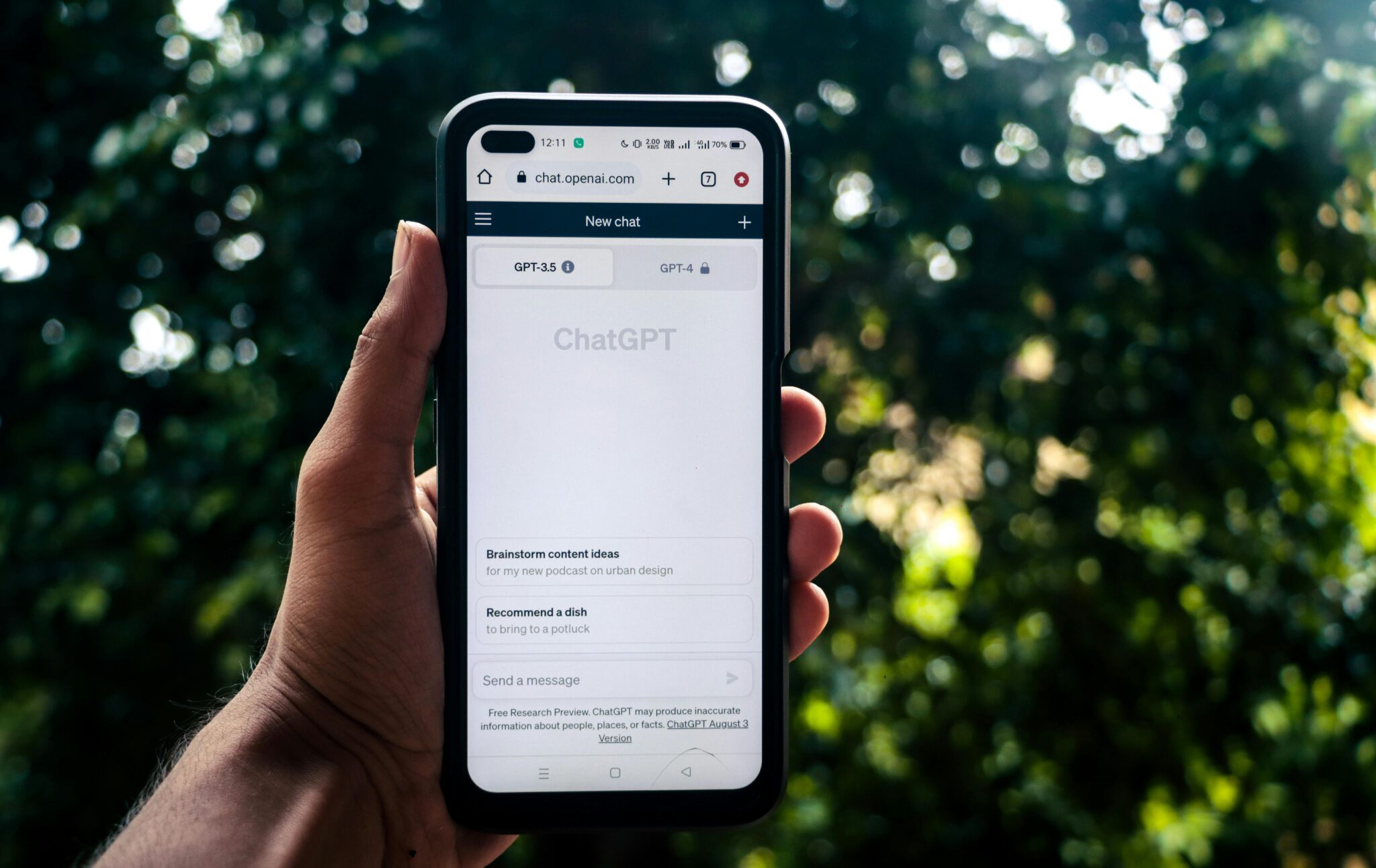
What is ChatGPT and How Does it Work?
ChatGPT, developed by OpenAI, is a sophisticated large language model (LLM) built upon the transformer architecture. At its core, ChatGPT processes and generates human-like text by predicting the next word in a sequence based on the vast datasets it was trained on. This predictive capability allows it to understand context, answer questions, summarize information, and even create original content across a multitude of topics. For marketers, this means a powerful assistant capable of drafting compelling ad copy, generating blog post ideas, or even simulating customer service interactions. The underlying mechanism involves complex neural networks that learn patterns, grammar, and factual information from billions of text parameters, enabling it to produce coherent and contextually relevant responses. For instance, when prompted to write a social media post about a new product, ChatGPT analyzes the request, draws upon its training data related to product marketing and social media conventions, and then crafts a suitable message. This iterative process of understanding and generation makes it an invaluable asset for streamlining various marketing tasks. For more on how AI is changing the marketing landscape, see our [internal link on AI in marketing].
Key Benefits of Using ChatGPT in Marketing
The integration of ChatGPT into marketing workflows offers a myriad of benefits that can significantly enhance efficiency, creativity, and customer engagement. One of the primary advantages is enhanced content creation at scale. Marketers can leverage ChatGPT to rapidly generate diverse content formats, from blog posts and articles to social media updates and email newsletters. This not only saves time but also allows for the production of a larger volume of content, catering to various audience segments and platforms. For example, a digital marketing agency might use ChatGPT to draft initial versions of 10 different ad variations for an A/B testing campaign in a fraction of the time it would take a human copywriter. This efficiency translates directly into cost savings and quicker campaign launches.
Another significant benefit is improved personalization and customer engagement. ChatGPT can analyze customer data and generate personalized marketing messages, product recommendations, and even conversational AI for customer support. This level of personalization fosters stronger customer relationships and increases conversion rates. Furthermore, ChatGPT can power chatbots that provide instant, 24/7 customer support, answering queries and guiding customers through the sales funnel, thereby improving the overall customer experience. This immediate interaction can be crucial in today’s fast-paced digital environment.
Finally, ChatGPT contributes to data-driven insights and strategic decision-making. While not a data analysis tool itself, it can process and summarize large volumes of textual data, such as customer feedback, market research reports, and competitor analyses. This capability helps marketers quickly identify trends, sentiment, and opportunities, informing more effective strategies. For instance, by feeding customer reviews into ChatGPT, a marketing team can quickly extract common pain points or popular features, which can then be used to refine product messaging or develop new offerings. This analytical support empowers marketers to make more informed decisions, leading to better campaign performance and a stronger competitive edge. The ability to quickly synthesize information from various sources is a game-changer for strategic planning.
Practical Applications of ChatGPT in Marketing
The versatility of ChatGPT extends to a wide array of practical applications within the marketing domain, offering tangible solutions for common challenges. One prominent application is content generation and optimization. Marketers can use ChatGPT to draft blog posts, articles, social media captions, email subject lines, and even video scripts. Beyond initial drafts, it can also optimize existing content for SEO by suggesting keywords, improving readability, and refining meta descriptions. For example, a content marketer struggling with writer’s block can prompt ChatGPT to generate several headlines and opening paragraphs for a new article, providing a strong starting point. This significantly reduces the time spent on ideation and initial drafting, allowing marketers to focus on strategic oversight and creative refinement. Learn more about content optimization strategies in our [internal link on content optimization].
Another critical application lies in customer service and support. ChatGPT-powered chatbots can handle a substantial volume of customer inquiries, providing instant responses to frequently asked questions, guiding users through product features, and even assisting with troubleshooting. This not only improves customer satisfaction by offering immediate assistance but also frees up human customer service agents to focus on more complex issues.
Furthermore, ChatGPT proves invaluable in market research and analysis. While it doesn’t perform quantitative analysis, it excels at qualitative data processing. Marketers can feed it customer reviews, social media comments, forum discussions, and survey responses to identify sentiment, emerging trends, and common themes. This capability allows for a deeper understanding of target audiences and competitive landscapes. For instance, analyzing thousands of customer reviews for a new product launch can quickly reveal what customers love and what needs improvement, providing actionable insights for product development and marketing campaigns. This qualitative insight can be a powerful complement to traditional market research methods, offering a nuanced view of consumer perceptions.
Best Practices for Implementing ChatGPT in Your Marketing Strategy
To harness the full potential of ChatGPT in marketing, strategic implementation and adherence to best practices are crucial. Firstly, define clear objectives and use cases. Before integrating ChatGPT, marketers should identify specific goals they aim to achieve, such as improving content generation speed, enhancing customer engagement, or streamlining market research. Without clear objectives, the tool’s application can become unfocused and less effective. For example, a clear objective might be to reduce the time spent on drafting social media posts by 30% using ChatGPT. This clarity guides the implementation process and allows for measurable outcomes.
Secondly, emphasize human oversight and ethical considerations. While ChatGPT is powerful, it is a tool that requires human guidance and review. Marketers must ensure that the generated content aligns with brand voice, values, and ethical guidelines. This includes fact-checking any information provided by the AI and ensuring that the content is not biased or misleading. The responsible use of AI also involves being transparent with audiences when AI is used in customer interactions. Human marketers should always be the final arbiters of content quality and accuracy.
Thirdly, train and fine-tune the model for specific needs. While out-of-the-box ChatGPT is highly capable, its performance can be significantly enhanced by fine-tuning it with proprietary data relevant to a specific brand or industry. This could involve feeding it brand guidelines, past successful campaigns, or industry-specific terminology. This customization ensures that the AI generates content that is more accurate, on-brand, and tailored to the target audience. For instance, a company specializing in sustainable fashion could fine-tune ChatGPT with its product descriptions and brand messaging to generate more authentic and relevant content. This iterative process of training and refinement is key to unlocking deeper value from the AI.
Finally, integrate ChatGPT with existing marketing tools and workflows. The true power of ChatGPT is realized when it seamlessly integrates with other marketing technologies, such as CRM systems, content management systems, and social media management platforms. This integration automates workflows, reduces manual effort, and creates a more cohesive marketing ecosystem. For example, using an API to connect ChatGPT with a social media scheduler can automate the drafting and scheduling of posts, significantly boosting productivity. This interconnected approach ensures that ChatGPT acts as an accelerator rather than an isolated component in the marketing strategy. Discover more about building an integrated marketing tech stack in our [internal link on marketing technology].
Future Trends: The Evolution of AI in Marketing
The trajectory of AI in marketing, particularly with tools like ChatGPT, points towards an increasingly sophisticated and integrated future. By 2026, we can anticipate several key trends that will further solidify AI’s role as an indispensable marketing partner. One significant trend is the hyper-personalization at scale. As AI models become even more advanced and data collection more refined, marketers will be able to deliver truly individualized experiences to millions of customers simultaneously. This goes beyond segment-based personalization to a one-to-one marketing approach, where every interaction, from ad creative to email content, is dynamically generated and optimized for the individual recipient. Imagine AI crafting unique landing pages for each visitor based on their real-time browsing behavior and demographic data, a level of customization previously unattainable.
Another emerging trend is the rise of conversational commerce and AI-driven sales. ChatGPT and its successors will play a pivotal role in enabling seamless conversational experiences across various touchpoints, from initial product discovery to post-purchase support. AI chatbots will evolve to handle more complex sales inquiries, negotiate prices, and even close deals, acting as intelligent sales assistants. This will blur the lines between marketing, sales, and customer service, creating a unified and highly efficient customer journey.
Finally, we will see AI becoming more proactive and predictive. Instead of merely responding to prompts or analyzing past data, future AI marketing tools will anticipate market shifts, consumer needs, and potential challenges before they fully materialize. This predictive capability will allow marketers to adjust strategies, launch campaigns, and even develop new products with unprecedented foresight. For example, AI might predict a surge in demand for a particular product category based on subtle shifts in social media sentiment and search trends, enabling businesses to prepare their inventory and marketing efforts in advance. This proactive approach will transform marketing from a reactive function to a highly strategic and forward-thinking discipline, driven by intelligent automation and deep learning insights.
FAQs
Frequently Asked Questions About ChatGPT for Marketing: Complete 2026 Guide
Q1: How can small businesses leverage ChatGPT for marketing with limited resources?
A1: Small businesses can effectively use ChatGPT by focusing on automating time-consuming tasks such as generating social media content, drafting email newsletters, and creating basic blog post outlines. By streamlining these processes, even a small team can significantly increase their content output and maintain a consistent online presence without needing extensive human resources. Prioritize tasks where ChatGPT can provide the most leverage, such as initial content drafts or brainstorming sessions, and then refine the output with a human touch to ensure brand consistency.
Q2: What are the ethical considerations when using ChatGPT for marketing content?
A2: Ethical considerations are paramount. Marketers must ensure transparency with their audience regarding AI-generated content, especially in sensitive areas. It’s crucial to fact-check all information produced by ChatGPT to prevent the spread of misinformation. Additionally, marketers should be mindful of potential biases in AI models and actively work to mitigate them to ensure fair and inclusive messaging. Always prioritize human oversight to maintain brand integrity and build trust with your audience.
Q3: How will ChatGPT evolve to impact marketing beyond 2026?
A3: Beyond 2026, ChatGPT and similar AI models are expected to become even more integrated and sophisticated. We anticipate advancements in hyper-personalization, allowing for truly individualized marketing experiences at scale. Conversational commerce will likely become more prevalent, with AI handling complex sales interactions. Furthermore, AI will become more proactive and predictive, anticipating market trends and consumer needs, enabling marketers to develop highly strategic and forward-thinking campaigns. The evolution will likely focus on seamless integration with other marketing technologies and a greater emphasis on ethical AI development.
Conclusion
As we navigate the dynamic landscape of 2026 and beyond, ChatGPT stands out as a transformative force in marketing. Its ability to enhance content creation, personalize customer interactions, and provide data-driven insights makes it an indispensable tool for businesses of all sizes. By understanding its mechanisms, embracing best practices, and anticipating future trends, marketers can harness ChatGPT to achieve unprecedented levels of efficiency, creativity, and engagement. The key to success lies in strategic implementation, continuous learning, and a commitment to ethical AI use, ensuring that technology serves to amplify human ingenuity rather than replace it. The future of marketing is undeniably intertwined with the intelligent capabilities of AI, and ChatGPT is at the forefront of this exciting evolution.
Ready to revolutionize your marketing strategy with AI? Whether you’re looking for ClickFlow-specific solutions, comprehensive Single Grain strategies, or Karrot-powered insights, explore how integrating advanced AI tools can elevate your brand and drive measurable results. Contact us today to learn more!



