
ChatGPT Ads Targeting: How to Reach Your Ideal Audience


ChatGPT ads targeting is poised to give performance marketers a new way to reach high-intent users right at the moment they describe their needs in natural language. Instead of guessing intent from keywords or broad interest buckets, you can place helpful commercial messages inside conversations where people are actively researching, planning, coding, or shopping.
To use this channel effectively, you need to understand how targeting works in a conversational environment, which signals are (and are not) available, and how to design audiences that align with real user tasks. This guide walks through the core ChatGPT ads targeting levers, a practical audience framework, step-by-step setup, optimization and measurement tactics, plus a first-30-days action plan for reaching your ideal audience.
TABLE OF CONTENTS:
- Why ChatGPT Ads Targeting Changes Audience Strategy
- ChatGPT Ads Targeting Options: Current and Emerging Levers
- Audience Strategy Framework: Reaching Your Ideal ChatGPT Advertising Audience
- Optimization, Measurement, and First 30 Days of ChatGPT Ad Campaigns
- Turning ChatGPT Ads Targeting Into a Competitive Advantage
Why ChatGPT Ads Targeting Changes Audience Strategy
Most ad platforms were built around either keywords (search) or people-based profiles and interests (social). Chat interfaces differ because users arrive with a job to be done and describe it in rich detail, making intent more granular but also more fluid than a fixed keyword list.
That “in the flow” placement is powerful. Retail-media style, in-platform ad placements deliver about 1.8× better results than digital ads overall and nearly 3× better results for purchase intent. ChatGPT ads function much like a conversational retail media network, surfacing branded messages within a trusted, high-intent experience.
In practice, this means your audience strategy must start with the task a user is trying to complete, not just who they are demographically. Someone planning a B2B software stack, comparing running shoes, or drafting a college application essay may look very similar on paper, but their prompts tell completely different stories about what they need from you.

How ChatGPT Ad Experiences Differ from Search and Social
In search, users see a list of results and ads side by side, then decide which blue link to click. In social feeds, your ad interrupts a stream of entertainment or updates. In ChatGPT, an ad appears within or alongside a conversational answer that already feels like a tailored recommendation.
This creates three practical implications for targeting. First, you have far less visual space, so your ad has to feel like a natural continuation of the conversation rather than a banner. Second, the platform has a deeper understanding of session-level intent from the full prompt rather than just a two-word query. Third, user tolerance for irrelevant or pushy messages is lower because they came for help, not a feed scroll.
ChatGPT Ads Targeting Options: Current and Emerging Levers
Because ChatGPT ad products are still evolving, specific controls may change over time, but you can think about ChatGPT ads targeting levers in three big buckets: conversation context and task type, environment and device, and privacy-safe audience layers such as cohorts or first-party data, where allowed.
Context and Task-Based Signals
Context is ChatGPT’s signature strength. Rather than only matching on explicit keywords, models can classify what a user is trying to do: research a topic, compare options, draft content, debug code, plan a trip, learn a skill, and so on.
From a marketer’s perspective, this likely means aligning campaigns with themes such as “small-business finance questions,” “enterprise security evaluations,” or “home workout planning,” and bidding differently depending on whether the task is early research or a purchase decision. This is where your messaging and offer must closely mirror the language and intent patterns in actual user prompts.
Environment, Geo, and Device Filters
Alongside conversation context, expect familiar filters like geography, language, and device type. Geo ensures your ChatGPT ads appear only to users in markets you can serve, while device filters help you prioritize mobile-optimized flows for on-the-go tasks versus deeper desktop research.
These levers are especially important for local and regional services that rely on real-world catchment areas, as well as for apps and tools that work best or only on specific operating systems. Used together with task-based signals, they keep spend focused on actionable audiences rather than broadly interested but unreachable users.
Privacy-Safe and First-Party Data
Generative AI platforms must balance rich behavioral signals with strict privacy expectations. Rather than exposing individual prompt histories, ad systems are more likely to use aggregated, anonymized cohorts such as “frequent small-business finance researchers” or “early-career developers exploring AI tools.”
Over time, ChatGPT ads targeting may also support privacy-safe use of advertiser first-party data, such as hashed customer lists or high-value segments, to build lookalikes and exclusion lists. The practical rule is to design strategies that work on aggregated intent patterns rather than one-to-one behavioral tracking, and to be transparent in your policies about how you use data across channels.
ChatGPT Ads Targeting vs Keyword Targeting
Traditional keyword targeting assumes that a specific phrase cleanly represents a user’s need. In ChatGPT, long-form prompts and back-and-forth dialogue reveal not just what someone is searching for, but why they care and how far along they are in their journey.
This shifts targeting from “match this exact query” to “match this evolving intent cluster.” Generative engines can expand and refine that cluster in real time, similar to how Google’s AI Max for Search automatically rewrites queries and creatives to find incremental, high-intent audiences, as described on the Google Ads Blog. Your role is to provide clear guardrails for the intents you want and those you avoid.
| Dimension | ChatGPT Ads | Google Search Ads | Meta Ads (Facebook/Instagram) |
|---|---|---|---|
| Primary targeting logic | Conversation context and model-derived intent clusters | Keywords and limited audience overlays | People-based profiles, interests, and behavioral signals |
| User mindset | Task-focused, asking for help or recommendations | Goal-oriented, scanning options on results page | Browsing or entertainment-focused, often passive |
| Ad format | Short, conversational units embedded in answers | Text ads alongside organic results or shopping units | Visual and video ads within a scrolling feed or stories |
| Optimization signals | Engagement with answers, clicks, downstream conversions | Clicks, conversions, search term performance | Impressions, clicks, conversions, on-platform engagement |
| Best use cases | Complex tasks, recommendations, planning, problem-solving | Explicit product or solution search | Demand generation, storytelling, retargeting |
Audience Strategy Framework: Reaching Your Ideal ChatGPT Advertising Audience
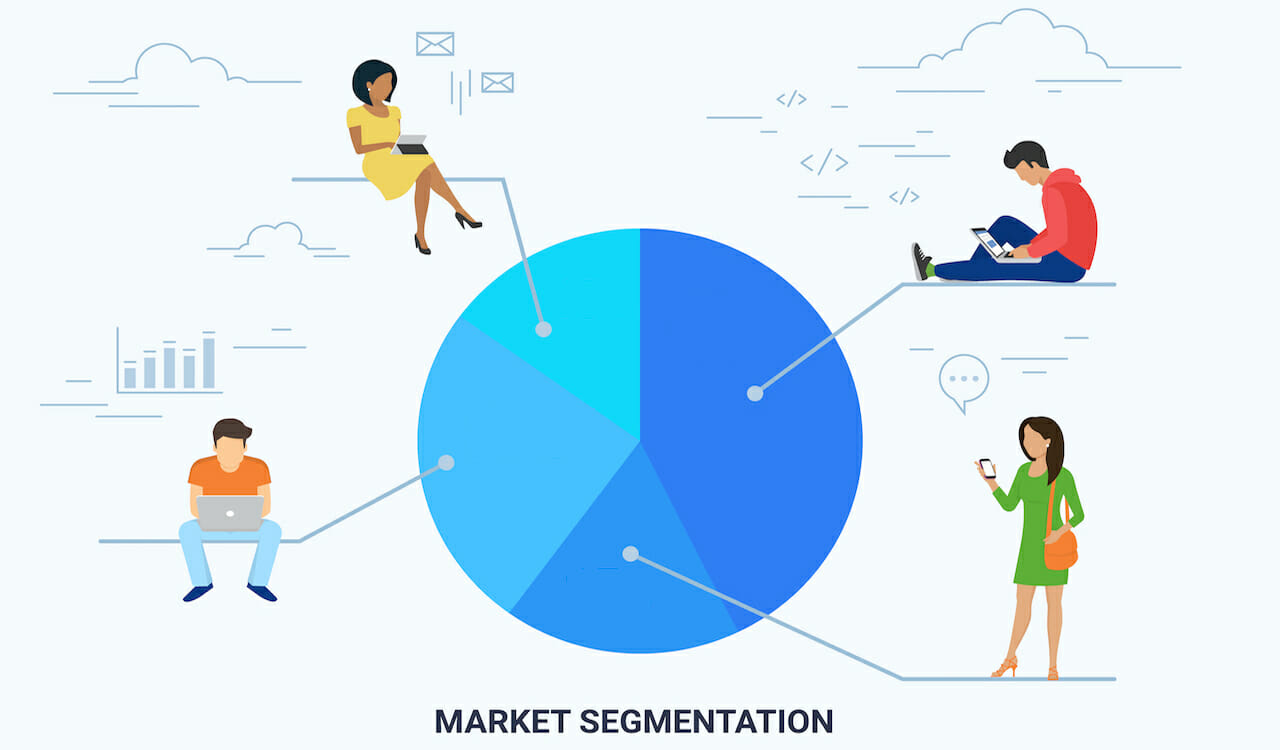
Knowing the levers is one thing; turning them into a reliable ChatGPT advertising audience strategy is another. To avoid random experimentation, use a simple yet structured framework that ties your ideal customer profile to specific tasks, journey stages, and data signals.
Task-Mode Targeting Framework for ChatGPT Ads
A practical way to design ChatGPT ads targeting is to think in four lenses, which together form a Task-Mode Targeting Framework:
- Task mode – What is the user trying to do right now?
- Journey stage – How close are they to a decision?
- Problem sophistication – How well do they understand the problem and available solutions?
- Data source – Which signals or lists define this audience?
Task mode might be “learn,” “compare,” “decide,” or “execute.” Journey stage ranges from early exploration to active vendor selection or purchase. Problem sophistication affects how technical or educational your message should be. Data sources include platform context, your first-party segments, and cross-channel behavior.
How to Reach Your Ideal Audience with ChatGPT Ads: Step-by-Step
With the framework in mind, you can follow a concrete process to design campaigns that reach your best-fit users inside ChatGPT. This same flow works whether you’re in B2B SaaS, e-commerce, or local services.
- Define your high-value segments. Start from your CRM or analytics: which customer types drive the majority of revenue or lifetime value, and what problems do they solve with your product?
- Map real tasks and prompts. For each segment, list the tasks they would bring to ChatGPT and the exact language they might use. Capture both early questions (“what is…”) and decisive prompts (“compare X vs Y for…”).
- Assign journey stages and task modes. Label each prompt with journey stage and mode, then prioritize those closest to commercial action, such as solution comparisons, vendor shortlists, or “help me choose” tasks.
- Translate into ChatGPT ads targeting settings. Align your campaigns with the most relevant conversation topics, verticals, and geos, and use exclusions to avoid informational-only queries that rarely convert.
- Craft conversational creatives. Write ad copy that mirrors the user’s wording and offers a clear, low-friction next step, such as a tailored template, checklist, or calculator aligned to their task.
- Design landing and follow-up. Ensure the click leads to a page that continues the conversation, not a generic homepage. Connect forms and events to your analytics and CRM to track downstream impact.
- Predefine success metrics. Before launch, decide which KPIs matter for this audience and stage (engaged conversation rate, qualified leads, trials, sales) and how you’ll benchmark them against other channels.
Running this process once gives you an initial set of hypotheses. Over time, you can iterate by adjusting which tasks you target, tightening or broadening geo and device filters, and testing different creative angles for the same audience segment.
Examples of ChatGPT Ad Audiences and Messages
To make this more concrete, here are sample ChatGPT advertising audiences and conversational ad angles across different industries.
B2B SaaS (project management platform). Target prompts like “how to build a project roadmap for a software launch” or “compare agile vs waterfall templates.” Your ad could say, “Need a ready-made launch plan? Get a plug-and-play roadmap template built for SaaS teams,” and link to a template library that requires an email signup.
E-commerce (running shoes retailer). Focus on tasks such as “best running shoes for flat feet” or “marathon training shoe comparison.” Your ChatGPT ads targeting would emphasize context like “running gear research” in specific countries, offering a quiz: “Answer 5 questions and get a shoe recommendation plus a first-order discount.”
Local services (dental clinic). Aim at prompts like “options to fix a chipped tooth near me” or “cost of Invisalign in [city].” Combine geo filters with healthcare or cosmetic dentistry queries, and offer a “free 10-minute virtual assessment” that feels like a natural extension of the advice ChatGPT is already giving.
Education (online coding bootcamp). Align with tasks such as “how to switch careers to software engineering” or “is a coding bootcamp worth it.” Here, conversational ads might offer a personalized syllabus or a salary-change calculator tailored to the user’s current role and location.
Hyper-personalization can go even further when you have strong first-party data. Simpli.fi highlights a leading coffee brand that used predictive analytics to segment loyalty app users by purchase history, flavor preferences, and visit timing, then delivered ChatGPT-style conversational ad units with store-specific coupons, which increased offer redemption rates and app session frequency. The lesson is that behavior-based micro-segmentation pairs naturally with conversational creative to lift loyalty and repeat purchases.
If you prefer to work with a partner to implement this kind of segmentation and creative at scale, a growth-focused agency with deep experience in AI-driven paid media and Search Everywhere Optimization can help you design ChatGPT ads targeting strategies that plug neatly into your existing search, social, and SEO programs. You can explore how this approach might apply to your brand and get a FREE consultation through Single Grain’s site.
Optimization, Measurement, and First 30 Days of ChatGPT Ad Campaigns
Once campaigns are live, the real work begins. Because conversational ads live in a task environment, optimization is less about micro-managing bids and more about reading intent signals, refining cohorts, and evolving your creative to stay aligned with how people actually talk to ChatGPT.
ChatGPT Ad Campaign Optimization Loop
You can structure ongoing improvements around a simple ChatGPT Ad Optimization Loop that runs weekly or bi-weekly, depending on spend levels.
- Review conversation-level performance. Analyze which contexts, tasks, or themes generate the highest engagement rates and the best downstream metrics, such as qualified leads or purchases.
- Refine audience segments. Tighten targeting around your best-performing intent clusters and exclude contexts that drive volume but little value, such as purely informational or student research prompts when you sell enterprise software.
- Iterate conversational creatives. Test new hooks that mirror successful prompts, adjust your value propositions, and experiment with different CTAs that still feel native to a chat experience.
- Sync learnings across channels. Feed winning phrases and objections into your search ads, landing pages, and email sequences so your entire funnel reflects how users describe their problems in ChatGPT.
This AI-first, feedback-driven approach is similar in spirit to how Google’s AI Max for Search uncovers high-intent micro-segments that manual setups miss. The more you treat ChatGPT as a live source of language and objections, the more precise your overall performance marketing becomes.
Measurement and Attribution for ChatGPT Ads
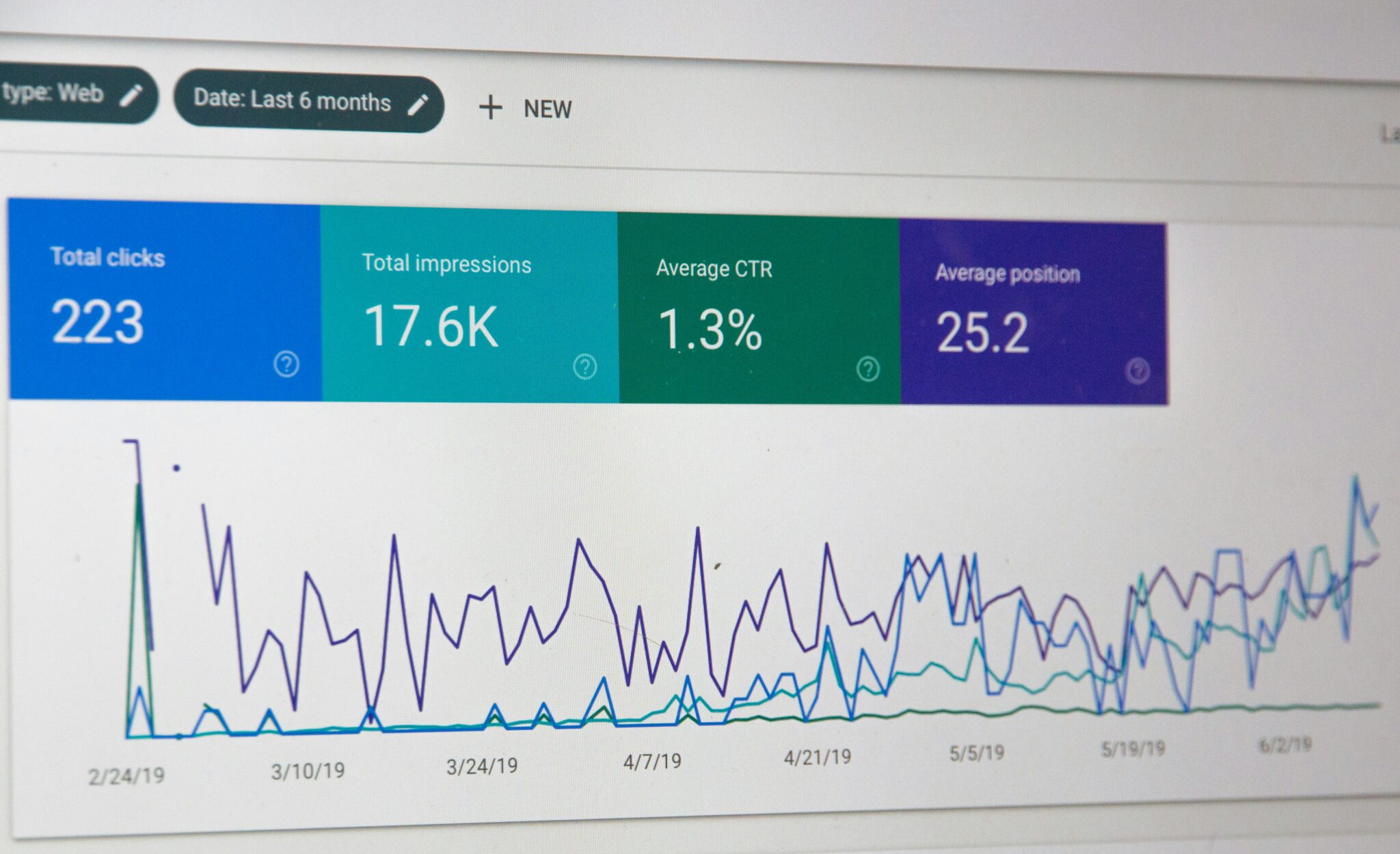
Measurement in a conversational environment starts with on-platform engagement, then follows the user journey into your own analytics stack. Because last-click views can miss the full impact of assistive, research-stage interactions, you’ll want a layered approach.
At the top of the funnel, focus on impressions, conversation-open rates, and clicks or taps to your destination. In the middle of the funnel, track high-intent events such as demo requests, trials, quizzes completed, or add-to-cart actions. At the bottom, connect closed-won deals, subscriptions, or repeat purchases back to campaigns and audiences using UTM parameters and consistent naming conventions.
Multi-touch attribution models in tools like GA4 or your BI platform can then estimate how ChatGPT ads contribute alongside search and social. Even if you cannot measure every touch precisely, directional metrics such as lift in branded search volume, improved onsite conversion from ChatGPT-referred traffic, or higher pipeline quality from ChatGPT-exposed segments help you decide whether to scale.
Budgeting and Test Design for SMBs and Enterprise
Early ChatGPT ad tests should be structured like any disciplined experiment: clear hypotheses, minimum viable data size, and predefined stop or scale rules. The main difference is that inventory may be limited at first, so you may need to concentrate spend on a small number of high-value audiences rather than spreading thin across many ideas.
For SMBs, the goal is usually to prove or disprove viability without risking core channels. That often means reallocating a modest slice of search or social budget to ChatGPT ads targeting tasks where you already see strong performance elsewhere, such as branded or high-intent non-branded search terms. Enterprises with larger budgets can afford parallel tests for multiple segments or geos, but should still cap initial investment until performance stabilizes.
In both cases, define in advance what “success” means for the first 30 days, whether that is hitting a target cost per qualified lead, achieving a minimum engagement rate in key contexts, or simply validating that ChatGPT audiences behave differently enough to warrant dedicated creative and funnel experiences.
Risks, Privacy, and Targeting Pitfalls to Avoid
Like any new channel, ChatGPT advertising introduces unique risks and mistakes to watch for, many of which are tied directly to targeting choices.
- Misaligned context. Targeting overly broad topics can place your brand in irrelevant or sensitive conversations. Use exclusions and narrow, task-based definitions to avoid mismatches.
- Over-personalization. Anchor your targeting in task and role, not inferences about identity beyond what is appropriate and compliant.
- Brand safety in generative answers. Your ad may appear near or within responses that mention competitors, pricing, or contentious topics. Monitor placements and provide clear negative criteria where the platform allows.
- Inconsistent landing experiences. If the click leads to a generic page that ignores the original task, users will bounce and performance will tank. Ensure your landing flow continues the exact conversation ChatGPT started.
- Chasing vanity metrics. High impression or click volume in certain contexts can mask poor downstream quality. Always pair surface-level metrics with pipeline and revenue impact by audience segment.
Respecting user privacy and expectations is non-negotiable. Build internal guidelines that mirror or exceed platform rules: avoid uploading sensitive data, be explicit about consent in your own channels, and treat conversational insights as a way to make experiences more helpful, not more intrusive.
Turning ChatGPT Ads Targeting Into a Competitive Advantage
ChatGPT ads targeting rewards marketers who understand their customers’ real tasks and language better than the competition. Shifting your focus from static demographics and keywords to task mode, journey stage, and problem sophistication, you can reach ideal audiences at the exact moment they ask for guidance and show up with a response that feels like a natural next step, not an interruption.
The playbook is clear: map your high-value segments to concrete prompts, design privacy-respectful audiences around conversation context and geo, craft conversational creatives that echo the user’s own words, and run a disciplined optimization loop that feeds insights back into your broader search and social programs. If you follow those steps, ChatGPT ads targeting becomes not just another line item in your media plan, but a learning engine that elevates performance across channels.
If you want a partner that can connect this emerging channel to your full growth stack (technical SEO, paid media, CRO, and Answer Engine Optimization), Single Grain specializes in building cross-channel strategies that turn AI-era search and chat experiences into measurable revenue. Explore your opportunities for ChatGPT, search, and beyond, and get a FREE consultation through Single Grain’s digital marketing experts.
Frequently Asked Questions
-
How should my creative team adapt copywriting for ChatGPT ads versus traditional search or social ads?
Prioritize clarity and brevity, and write in a tone that feels like a natural extension of the assistant’s response. Use first- or second-person phrasing, focus on one concrete next step, and avoid overly promotional language that would feel out of place inside a help-focused conversation.
-
Which types of businesses are most likely to see the strongest early results from ChatGPT ad targeting?
Brands that sell considered purchases, where buyers research, compare, and plan, tend to benefit most, such as B2B software, financial services, education, and healthcare. High-ticket or complex consumer products and services with many options also map well to conversational decision-making.
-
How can B2B marketers align ChatGPT ads with their sales and SDR teams?
Work with sales to define what a qualified conversation looks like and translate that into specific prompts and contexts to target. Then route ChatGPT-sourced leads into distinct workflows or sequences so sales can reference the original task or question in their outreach.
-
How much budget should I allocate to ChatGPT ads when testing a completely new market or audience segment?
Treat it as a learning investment by setting a capped test budget that’s large enough to generate statistically useful lead or sale volume, but small enough that it won’t jeopardize core channels if results lag. Many teams use a fixed percentage of their experimental budget rather than a slice of their entire media spend.
-
What compliance and legal considerations should regulated industries keep in mind with ChatGPT ads?
Regulated brands should pre-clear messaging with legal, limit claims to those already approved for other digital media, and document any constraints (for example, age, geography, or disclosure requirements). It’s also wise to create a library of compliant templates that can be reused across different conversational contexts.
-
How can I use learnings from ChatGPT ad performance to improve my organic content and SEO strategy?
Export the highest-converting prompts, questions, and phrasing themes, then use them to inform blog titles, FAQ pages, and on-page copy. This ensures your organic content mirrors how real users articulate their problems, increasing the odds that searchers recognize your pages as relevant.
-
What early warning signs indicate my ChatGPT ads targeting strategy needs a reset?
Watch for patterns like high ad exposure with very low downstream lead or purchase rates, concentration of traffic in non-priority regions or roles, or recurring support tickets from users who felt misled by the ad. When these appear, revisit your task definitions, exclusions, and creative alignment before scaling further.