

ChatGPT Ads for Ecommerce: Product Discovery & Instant Checkout


The landscape of e-commerce is constantly evolving, with businesses seeking innovative ways to capture customer attention and streamline the purchasing journey. In this dynamic environment, the emergence of conversational AI, particularly large language models like ChatGPT, presents a transformative opportunity. This article explores the burgeoning role of ChatGPT ads in revolutionizing product discovery and facilitating instant checkout experiences for online shoppers. We will delve into how these intelligent advertisements can create more personalized, efficient, and engaging interactions, ultimately driving sales and enhancing customer satisfaction.
TABLE OF CONTENTS:
- The Rise of ChatGPT in Ecommerce
- How ChatGPT Ads Enhance Product Discovery
- Streamlining the Checkout Process with ChatGPT
- Best Practices for Implementing ChatGPT Ads
- Measuring Success and Future Trends
- Conclusion
- Frequently Asked Questions About ChatGPT Ads for Ecommerce Product Discovery & Instant Checkout
The Rise of ChatGPT in Ecommerce
ChatGPT, with its advanced natural language processing capabilities, has moved beyond simple chatbots to become a sophisticated tool for various business applications. In e-commerce, its ability to understand complex queries and generate human-like responses is proving invaluable. This section will examine the foundational aspects of ChatGPT’s integration into the e-commerce ecosystem, highlighting its potential to reshape traditional advertising paradigms. Businesses are increasingly recognizing the power of AI-driven conversations to connect with consumers on a deeper level, moving away from static advertisements towards interactive experiences. The shift towards conversational commerce is not merely a trend but a fundamental evolution in how consumers interact with brands online, driven by the demand for instant gratification and personalized service.
How ChatGPT Ads Enhance Product Discovery
One of the primary challenges in e-commerce is helping customers find the exact products they need amidst a vast inventory. ChatGPT ads address this by offering a personalized and interactive product discovery process. Instead of generic recommendations, customers can engage in a dialogue with an AI, describing their preferences, needs, and even emotional drivers behind a purchase. For example, a customer looking for a new running shoe could specify their gait, preferred terrain, and injury history, receiving tailored suggestions that a traditional search engine might miss. This not only improves the relevance of product suggestions but also makes the discovery process more enjoyable and efficient for the consumer. This approach can significantly reduce bounce rates and increase conversion rates by guiding users directly to products that meet their specific criteria. The AI’s ability to process natural language allows for a more nuanced understanding of customer intent, leading to more accurate and satisfying product matches. This is particularly beneficial for complex products where detailed specifications and comparisons are crucial for informed decision-making. Furthermore, ChatGPT ads can proactively suggest complementary products or upgrades, enhancing the average order value and providing a more holistic shopping experience. This proactive engagement transforms passive browsing into an active, guided journey, mirroring the personalized assistance one might receive in a high-end physical store.
Streamlining the Checkout Process with ChatGPT
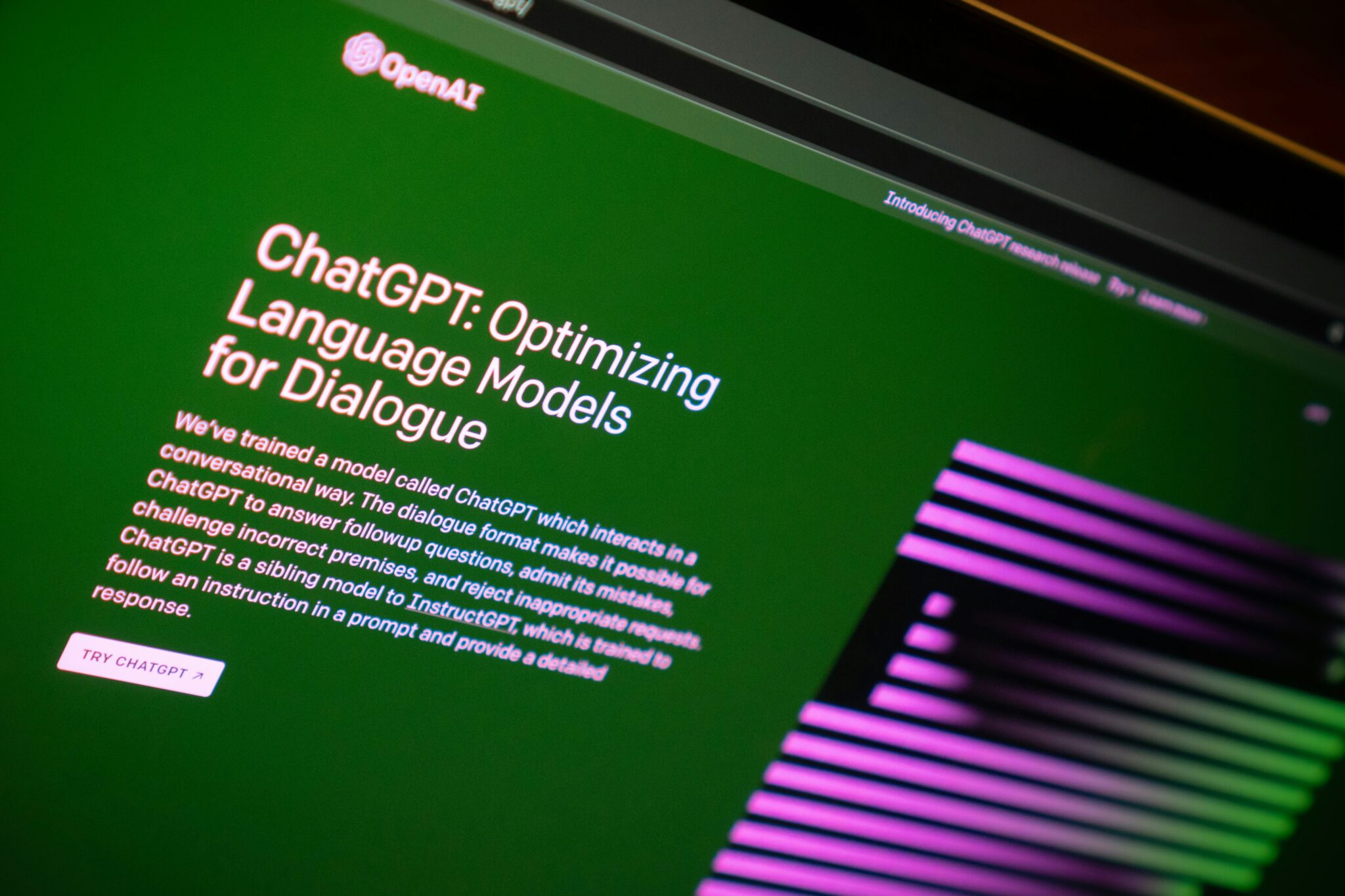
Beyond discovery, ChatGPT ads can dramatically simplify the checkout experience. Imagine a scenario where, after finding the perfect product through a conversational ad, a customer can complete their purchase without ever leaving the chat interface. ChatGPT can guide users through payment options, shipping details, and even apply discount codes, all within a seamless conversation. This eliminates friction points often associated with multi-step checkout forms, leading to a faster and more convenient transaction. The ability to answer last-minute questions about product specifications or return policies instantly also builds trust and reduces cart abandonment. This integration of conversational commerce can be a game-changer for businesses aiming to optimize their sales funnels. The convenience offered by an instant checkout within the chat environment significantly reduces the cognitive load on the customer, making the purchase decision feel less like a chore and more like a natural progression of their interaction. This is especially critical in mobile commerce, where traditional forms can be cumbersome. By providing immediate answers and facilitating quick transactions, businesses can capitalize on impulse purchases and reduce the likelihood of customers abandoning their carts due to frustration or uncertainty. The security of these transactions is also paramount, with robust encryption and fraud detection mechanisms integrated into the conversational platform to ensure customer confidence.
Best Practices for Implementing ChatGPT Ads
To effectively leverage ChatGPT ads, businesses must adopt strategic best practices. Firstly, data privacy and security are paramount. Ensuring that customer data is handled responsibly and transparently is crucial for maintaining trust. Businesses must clearly communicate their data handling policies and comply with relevant regulations like GDPR and CCPA. Secondly, continuous training and optimization of the AI model are essential to keep it updated with new products, promotions, and customer feedback. This involves regularly feeding the AI with new data and refining its responses to ensure accuracy and relevance. Thirdly, seamless integration with existing e-commerce platforms and CRM systems will ensure a cohesive customer journey. This allows for a unified view of customer interactions and preferences, enabling more personalized and effective ad campaigns. Finally, human oversight remains vital; while AI automates many processes, human intervention is necessary for complex queries, conflict resolution, or handling sensitive customer issues. A hybrid approach, where AI handles routine inquiries and escalates complex ones to human agents, often yields the best results. Additionally, businesses should focus on crafting clear, concise, and engaging conversational flows that guide users effectively without feeling overly robotic or intrusive. Regular A/B testing of different conversational scripts and ad creatives can help optimize performance and user engagement. The goal is to create an experience that feels natural and helpful, rather than a mere sales pitch.
Measuring Success and Future Trends
Measuring the success of ChatGPT ad campaigns requires a focus on key performance indicators (KPIs) beyond traditional click-through rates. Metrics such as conversational engagement, conversion rates within the chat interface, customer satisfaction scores, and repeat purchase rates provide a more comprehensive view. Analyzing the duration of conversations, the types of questions asked, and the points at which customers convert or drop off can offer invaluable insights into the effectiveness of the ads and areas for improvement. The future of ChatGPT ads in e-commerce is bright, with advancements in AI promising even more sophisticated personalization and predictive capabilities. We can anticipate AI models that not only respond to queries but also proactively anticipate customer needs, offering hyper-personalized recommendations and services before the customer even articulates them. The integration of augmented reality (AR) and virtual reality (VR) within conversational interfaces could also create immersive shopping experiences, further blurring the lines between online and offline retail. Imagine trying on clothes virtually within a chat window or exploring a product in 3D before making a purchase. Furthermore, the evolution of AI will likely lead to more autonomous conversational agents capable of handling increasingly complex sales scenarios, from initial product discovery to post-purchase support, creating a truly end-to-end customer journey powered by AI. The ethical implications of such advanced AI, particularly concerning data privacy and algorithmic bias, will also be a critical area of focus as the technology matures.
Conclusion
ChatGPT ads represent a significant leap forward in e-commerce, offering unparalleled opportunities for enhanced product discovery and instant checkout. By fostering personalized, efficient, and engaging customer interactions, these AI-powered advertisements are set to redefine the online shopping experience. Businesses that embrace this technology and implement it strategically will be well-positioned to thrive in the competitive digital marketplace, delivering superior value to their customers and achieving sustainable growth. The synergy between AI and e-commerce is not just about automation; it’s about creating richer, more intuitive, and ultimately more human-like shopping experiences that cater to the individual needs and preferences of every customer.
Frequently Asked Questions About ChatGPT Ads for Ecommerce Product Discovery & Instant Checkout
Q: What are ChatGPT ads? A: ChatGPT ads are interactive advertisements powered by conversational AI that allow customers to discover products and complete purchases through a chat interface.
Q: How do ChatGPT ads improve product discovery? A: They enhance product discovery by offering personalized recommendations based on conversational queries, allowing customers to describe their specific needs and preferences.
Q: Can ChatGPT ads handle the entire checkout process? A: Yes, ChatGPT ads can guide users through payment, shipping, and discount application, enabling a seamless and instant checkout experience within the chat.
Q: What are the key benefits for businesses using ChatGPT ads? A: Benefits include increased conversion rates, reduced cart abandonment, enhanced customer satisfaction, and a more efficient sales funnel.
Q: Are there any challenges in implementing ChatGPT ads? A: Potential challenges include ensuring data privacy, continuous AI model training, seamless integration with existing systems, and maintaining human oversight for complex issues.
Q: Where can I learn more about optimizing my e-commerce strategy with AI? A: For more insights and strategies on leveraging AI for your e-commerce business, visit Single Grain for expert advice and resources.