

ABM for Energy and Utilities: Industry Best Practices


Account-Based Marketing (ABM) has emerged as a powerful strategy for B2B companies seeking to engage high-value accounts with personalized and targeted campaigns. In the complex and highly regulated energy and utilities sector, ABM offers a unique opportunity to drive significant results by focusing on the specific needs and challenges of key clients. This listicle will explore industry best practices for implementing successful ABM initiatives in energy and utilities, providing actionable insights for marketers looking to enhance their strategies.
TABLE OF CONTENTS:
- Understanding the Unique Challenges of the Energy and Utilities Sector
- Tailoring Your ABM Strategy for Impact
- Practical Tips for High-Impact ABM Campaigns
- Measuring Success: Key Performance Indicators (KPIs)
- Conclusion
- Frequently Asked Questions About ABM for Energy and Utilities: Industry Best Practices
Understanding the Unique Challenges of the Energy and Utilities Sector
The energy and utilities industry is characterized by several distinct challenges that necessitate a specialized approach to marketing and sales. These include:
- Regulatory Compliance: The sector operates under stringent regulations, requiring marketers to communicate clearly and ensure all initiatives adhere to legal frameworks.
- Long Sales Cycles: High-value transactions often involve extended decision-making processes, demanding sustained engagement and nurturing of relationships over time.
- Technical Complexity: Products and services are frequently technical and intricate, requiring detailed and knowledgeable presentations to diverse stakeholders.
- Diverse Stakeholders: Decision-making units typically comprise various individuals, from technical experts and financial officers to regulatory bodies, each with unique concerns and priorities.
Tailoring Your ABM Strategy for Impact
To effectively navigate the complexities of the energy and utilities sector, a tailored ABM strategy is crucial. Here are key practices to consider:
1. Strategic Account Selection and Segmentation
Begin by meticulously identifying and segmenting target accounts. Factors such as company size, geographical location, specific regulatory environment, and unique operational needs should guide this process. Leveraging predictive analytics and AI-powered tools can help pinpoint accounts with the highest potential for conversion and long-term value.
2. Personalized Content and Messaging
Develop highly personalized content that directly addresses the pain points and objectives of your target accounts. This includes creating bespoke whitepapers, case studies, and technical documents that resonate with specific challenges. Utilize AI to craft messaging that speaks to different stakeholders within the same account, ensuring relevance and impact.
3. Multi-Channel Engagement for Comprehensive Reach
Implement a robust multi-channel approach to engage target accounts across various touchpoints. Combine email marketing, targeted social media outreach (especially on platforms like LinkedIn for specific job titles), personalized landing pages, and even direct mail. Consistent and comprehensive communication is key to maintaining engagement throughout the long sales cycle.
4. Data-Driven Optimization with Advanced Analytics
Utilize advanced analytics to continuously track and measure the effectiveness of your ABM campaigns. Monitor key engagement metrics, conversion rates, and the duration of the sales cycle. AI-powered analytics tools can provide actionable insights and predictive capabilities, allowing you to anticipate account needs and refine your strategy proactively.
Practical Tips for High-Impact ABM Campaigns
Beyond strategic tailoring, several practical tips can significantly enhance the impact of your ABM efforts:
5. Cultivate Deep Industry Knowledge
Invest time and resources in understanding the intricate nuances of the energy and utilities sector. A profound grasp of industry trends, challenges, and opportunities will enable you to create more relevant and impactful content, thereby building credibility and authority with your target accounts.
6. Foster Seamless Sales and Marketing Alignment
Ensure close collaboration and alignment between your sales and marketing teams. Regular communication, joint planning sessions, and shared goals are essential for creating cohesive and compelling campaigns that resonate with prospects and drive conversions.
7. Leverage AI and Automation for Efficiency
Embrace AI and automation to streamline and scale your ABM initiatives. AI can assist in identifying high-potential accounts, personalizing content at scale, and generating insights for better decision-making. Automation tools can efficiently manage multi-channel campaigns and track interactions, freeing up valuable human resources.
8. Prioritize Long-Term Relationship Building
Recognize that ABM is fundamentally about building enduring relationships rather than pursuing short-term gains. Focus on nurturing connections with key stakeholders by consistently providing value through informative content, expert advice, and exceptional customer service. This approach fosters trust and loyalty, leading to sustainable growth.
9. Optimize Your Digital Presence for ABM
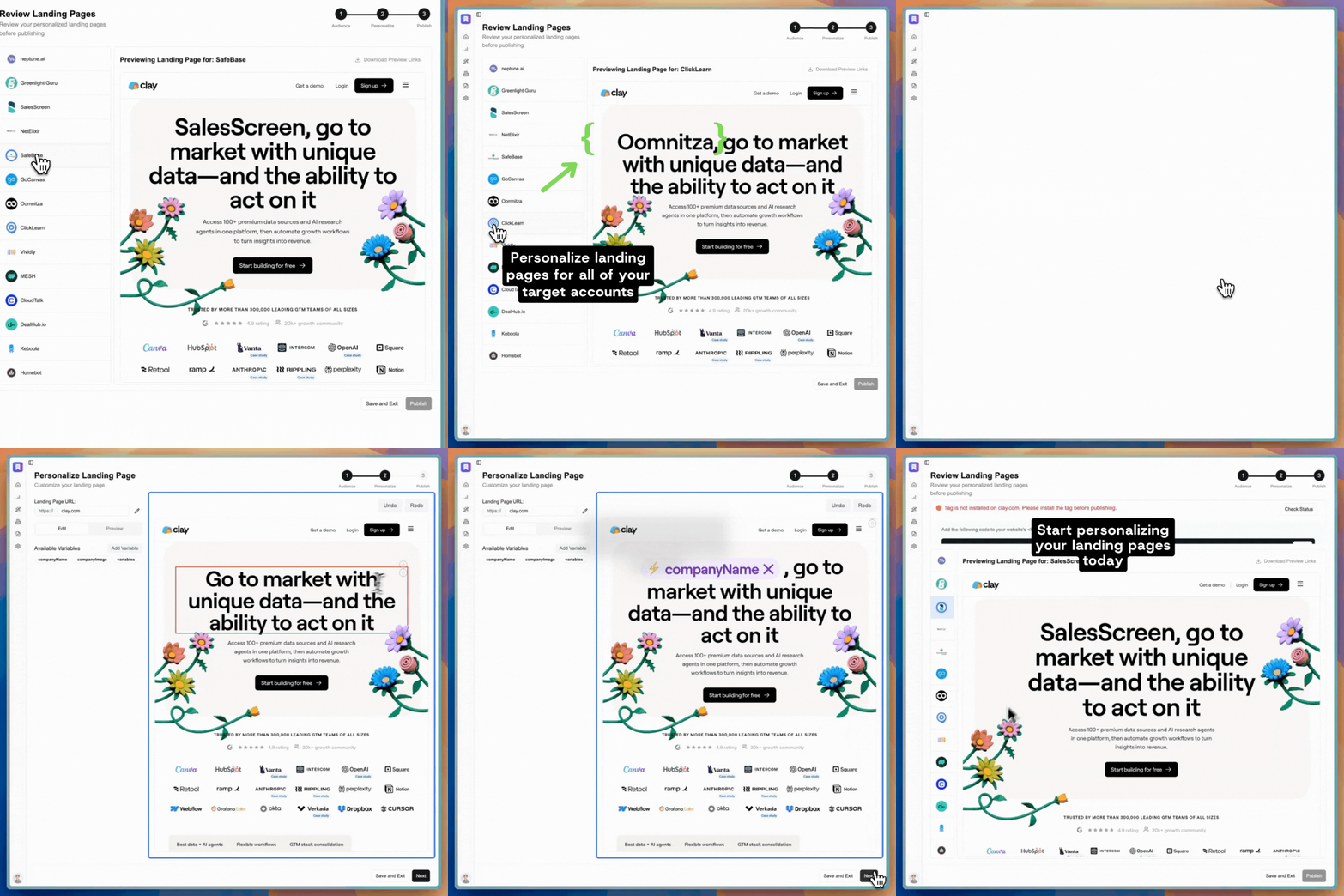
Ensure your website and other digital assets are optimized for ABM. Create personalized landing pages for target accounts, utilizing dynamic content to tailor the user experience based on account-specific data. This personalization significantly enhances engagement and improves conversion rates.
Measuring Success: Key Performance Indicators (KPIs)
To gauge the effectiveness of your ABM campaigns in the energy and utilities sector, track the following Key Performance Indicators (KPIs):
- Account Engagement: Monitor the frequency and depth of interaction your target accounts have with your content and campaigns.
- Pipeline Growth: Measure the growth of your sales pipeline directly attributable to ABM efforts.
- Conversion Rates: Analyze the rate at which engaged accounts progress through the sales funnel and convert into customers.
- Sales Cycle Duration: Evaluate any reductions in the length of the sales cycle as a result of the targeted ABM strategies.
Conclusion
Implementing high-impact ABM campaigns in the energy and utilities sector demands a strategic, tailored, and data-driven approach. By understanding the unique challenges of the industry, leveraging advanced tools and techniques, and prioritizing long-term relationship building, marketers can significantly enhance their efforts and achieve substantial results. The focus on personalized content, multi-channel engagement, and continuous optimization will be paramount to maximizing the impact of ABM in this specialized industry.
Frequently Asked Questions About ABM for Energy and Utilities: Industry Best Practices
Q1: What are the primary challenges of implementing ABM in the energy and utilities sector?
A1: The main challenges include navigating strict regulatory compliance, managing long sales cycles, addressing the technical complexity of products and services, and engaging diverse stakeholders within target accounts.
Q2: How can AI and automation enhance ABM strategies in this industry?
A2: AI and automation can streamline ABM efforts by identifying high-potential accounts, personalizing content at scale, providing actionable insights for decision-making, and efficiently managing multi-channel campaigns.
Q3: Why is personalized content crucial for ABM in energy and utilities?
A3: Personalized content is crucial because it directly addresses the specific pain points and objectives of target accounts, which often involve complex technical and regulatory considerations. Tailored messaging resonates more effectively with diverse stakeholders.
Q4: What KPIs should be tracked to measure ABM success in the energy and utilities sector?
A4: Key KPIs include account engagement (frequency and depth of interaction), pipeline growth attributed to ABM, conversion rates of engaged accounts, and reductions in the sales cycle duration.
Ready to transform your marketing strategy and achieve unparalleled success in the energy and utilities sector? Sign up for Karrot.ai and discover how our cutting-edge ABM solutions can help you identify, engage, and convert your most valuable accounts.