

AI Media Buying: The Future of Programmatic


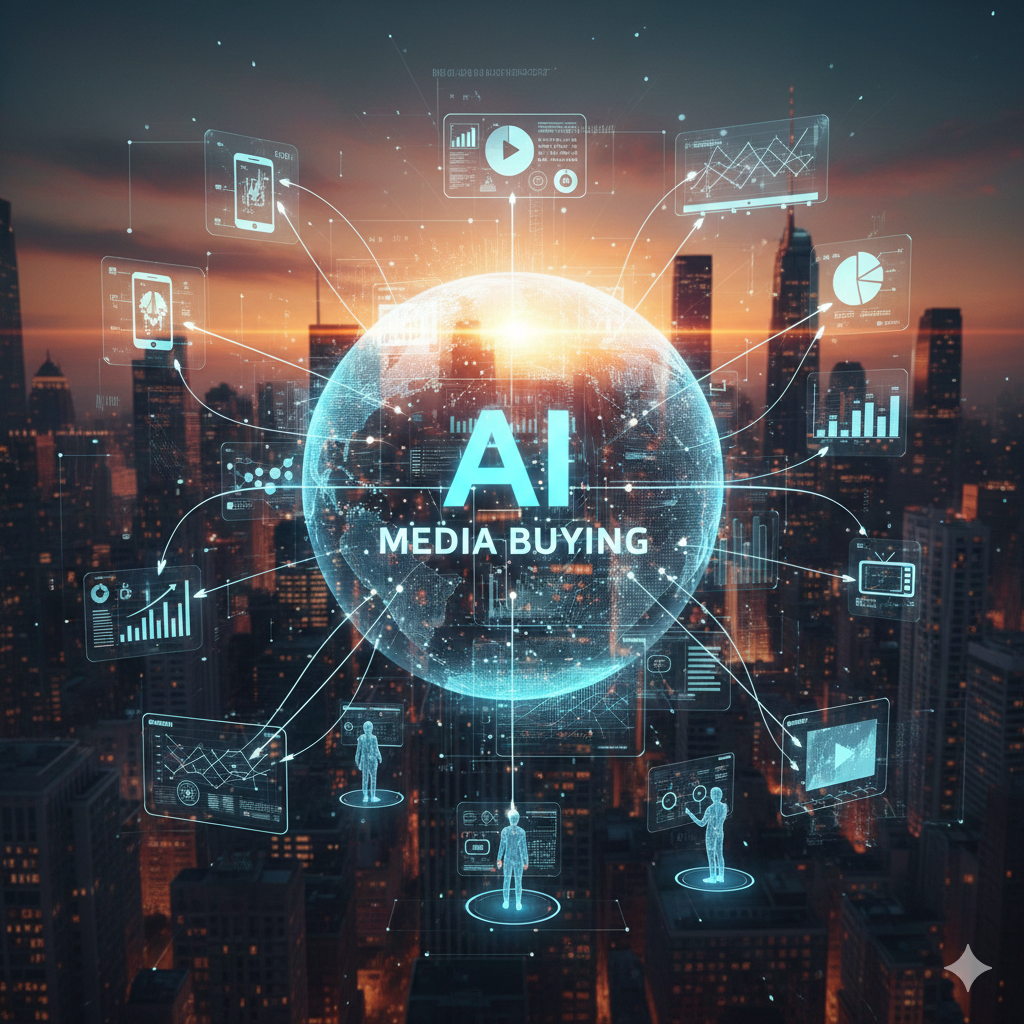
The landscape of media buying has undergone a profound transformation, moving from manual processes to highly automated, data-driven programmatic platforms. This evolution has been further accelerated by the integration of Artificial Intelligence (AI), ushering in a new era: AI Media Buying. Programmatic advertising, at its core, automates the buying and selling of ad impressions through real-time bidding. AI enhances this by providing advanced analytics, predictive capabilities, and optimization at an unprecedented scale, promising a future where advertising is not just automated, but intelligently optimized for maximum impact.
TABLE OF CONTENTS:
What is AI Media Buying?
AI media buying leverages artificial intelligence and machine learning algorithms to automate, optimize, and personalize the process of purchasing digital ad placements. Unlike traditional programmatic, which relies on predefined rules and human oversight, AI media buying continuously learns and adapts, making real-time decisions to improve campaign performance. This includes everything from audience targeting and bid management to creative optimization and budget allocation. The goal is to achieve greater efficiency, higher ROI, and more relevant ad experiences for consumers.
Key Benefits of AI in Programmatic Advertising
The integration of AI into programmatic advertising offers a multitude of benefits for advertisers:
Enhanced Targeting and Personalization
AI algorithms can analyze vast datasets to identify granular audience segments and predict consumer behavior with remarkable accuracy. This allows for hyper-targeted campaigns that deliver personalized ad content to the right person, at the right time, on the right device. For instance, AI can detect subtle patterns in browsing history, purchase intent, and demographic data to create dynamic audience profiles, far beyond what manual segmentation can achieve [1].
Real-time Optimization and Efficiency
One of AI’s most significant contributions is its ability to optimize campaigns in real-time. AI-powered platforms can continuously monitor campaign performance metrics, such as click-through rates (CTR), conversion rates, and cost per acquisition (CPA). Based on these insights, AI can automatically adjust bids, reallocate budgets, and even swap out creative assets to maximize effectiveness. This eliminates the need for constant human intervention, leading to significant time and cost savings.
Predictive Analytics and Forecasting
AI’s predictive capabilities allow advertisers to forecast future campaign performance and identify potential trends. By analyzing historical data and external factors (e.g., seasonality, economic indicators), AI can help anticipate audience responses and market shifts. This enables proactive strategy adjustments, ensuring campaigns remain effective even in dynamic environments. For example, an AI model might predict an upcoming surge in demand for a particular product, allowing advertisers to pre-emptively increase ad spend in relevant channels.
Fraud Detection and Brand Safety
AI plays a crucial role in combating ad fraud and ensuring brand safety. Sophisticated AI algorithms can detect anomalous patterns indicative of bot traffic, click fraud, and impression fraud, protecting advertisers’ budgets from wasted spend. Furthermore, AI can analyze content to ensure ads are placed in brand-appropriate environments, safeguarding brand reputation and maintaining consumer trust. Companies like Integral Ad Science utilize AI to provide comprehensive fraud protection and brand suitability solutions [2].
Challenges and Considerations
Despite its immense potential, the adoption of AI media buying comes with its own set of challenges:
Data Privacy and Compliance
The reliance on vast amounts of consumer data for AI optimization raises significant privacy concerns. Advertisers must navigate complex regulations like GDPR and CCPA, ensuring data collection and usage practices are transparent and compliant. Ethical considerations around data handling and algorithmic bias are also paramount.
Algorithmic Transparency and Control
Understanding how AI algorithms make decisions can be challenging due to their “black box” nature. This lack of transparency can make it difficult for advertisers to fully trust and control their campaigns. Striking a balance between AI automation and human oversight is crucial to maintain strategic control and accountability.
Integration Complexity and Skill Gap
Implementing AI media buying solutions often requires significant technical expertise and seamless integration with existing marketing stacks. There is a growing demand for professionals skilled in AI, data science, and programmatic advertising, leading to a potential skill gap within organizations.
Implementing AI in Your Media Buying Strategy
For businesses looking to embrace AI media buying, a strategic approach is essential:
- Assess Current Programmatic Maturity: Evaluate your existing programmatic infrastructure and data capabilities to identify areas for AI integration.
- Define Clear Objectives: Establish specific, measurable, achievable, relevant, and time-bound (SMART) goals for your AI media buying initiatives.
- Invest in Data Infrastructure: Ensure you have robust data collection, storage, and processing capabilities to feed your AI algorithms.
- Pilot Programs: Start with small-scale pilot programs to test AI solutions and gather insights before full-scale implementation.
- Foster Talent and Training: Develop internal expertise or partner with external specialists to manage and optimize AI-powered campaigns.
The Future Outlook: Beyond Automation
The future of AI media buying extends far beyond mere automation. We can anticipate:
- Hyper-Personalized Customer Journeys: AI will enable advertisers to map and optimize entire customer journeys, delivering contextually relevant messages at every touchpoint.
- Generative AI for Creative: AI will not only optimize existing creatives but also generate new ad copy, images, and even video content, further streamlining the creative process.
- Cross-Channel Synergy: AI will facilitate seamless integration and optimization across all media channels, breaking down silos and creating a unified advertising ecosystem.
- Ethical AI and Trust: Increased focus on ethical AI development, ensuring fairness, transparency, and privacy in all AI-driven advertising practices.
Conclusion
AI media buying is not just a trend; it is the inevitable future of programmatic advertising. By harnessing the power of artificial intelligence, advertisers can unlock unprecedented levels of efficiency, personalization, and performance. While challenges exist, the strategic adoption of AI will empower businesses to navigate the complex digital advertising landscape with greater precision and achieve superior results. The journey towards fully intelligent media buying is ongoing, promising a dynamic and innovative future for the industry.
Frequently Asked Questions About AI Media Buying: The Future of Programmatic
Q: How does AI media buying differ from traditional programmatic? A: Traditional programmatic relies on predefined rules and human input for optimization. AI media buying, on the other hand, uses machine learning to continuously learn, adapt, and make real-time decisions for campaign optimization, leading to greater efficiency and personalization.
Q: What are the main benefits of using AI in media buying? A: Key benefits include enhanced targeting and personalization, real-time optimization, predictive analytics, and improved fraud detection and brand safety.
Q: What are some challenges associated with AI media buying? A: Challenges include navigating data privacy regulations, ensuring algorithmic transparency, and addressing the skill gap required for implementation and management.
Q: Is AI media buying suitable for all businesses? A: While beneficial for many, businesses should assess their current programmatic maturity, data infrastructure, and objectives before fully adopting AI media buying. Starting with pilot programs is often recommended.
Q: What is the role of human expertise in AI media buying? A: Human expertise remains crucial for setting strategic goals, interpreting AI insights, overseeing campaign performance, and ensuring ethical data practices. AI acts as a powerful tool that augments human capabilities, rather than replacing them.
Ready to elevate your media buying strategy with cutting-edge AI?
Discover how ClickFlow’s AI-powered solutions can transform your programmatic campaigns, delivering unparalleled efficiency and ROI. Learn more about ClickFlow today!



