

Account-Based Direct Mail: Integrating Offline With ABM


Account-Based Marketing (ABM) has fundamentally reshaped how businesses target and engage their most valuable accounts. Moving beyond mass marketing, ABM focuses on deeply personalized strategies to nurture relationships and drive conversions within a select group of high-priority prospects. While digital channels often form the backbone of modern ABM, the strategic integration of offline touchpoints, particularly direct mail, offers a powerful, often underutilized, avenue for differentiation and impact. In an increasingly noisy digital landscape, a well-executed direct mail campaign can cut through the clutter, delivering a tangible and memorable experience that reinforces digital efforts and strengthens account relationships. This listicle delves into the critical aspects of effectively blending account-based direct mail with your broader ABM strategy to achieve superior engagement and measurable results.
TABLE OF CONTENTS:
- Why Offline Channels are Critical for Modern ABM
- Crafting Personalized Direct Mail Campaigns for ABM Success
- Integrating Direct Mail with Digital ABM Workflows
- Measuring ROI and Optimizing Your ABM Direct Mail Strategy
- Overcoming Challenges and Future-Proofing Your Approach
- Conclusion
- Frequently Asked Questions About Account-Based Direct Mail: Integrating Offline with ABM
Why Offline Channels are Critical for Modern ABM
The Enduring Power of Tangible Touchpoints in a Digital Age
Introduction: In an era dominated by digital communication, the sheer volume of emails, social media messages, and online advertisements can lead to ‘digital fatigue’ among B2B decision-makers. This saturation makes it increasingly difficult for brands to capture and retain attention. Offline channels, particularly direct mail, offer a refreshing and impactful alternative, providing a tangible experience that stands out. This section explores why integrating physical mail into your ABM strategy is not just a nostalgic nod to the past, but a critical component for future success. Physical mail holds significant power in a digital world, offering a unique channel for engagement that digital platforms often cannot replicate.
Key Benefit 1: Enhanced Memorability and Engagement. Unlike fleeting digital messages, a physical package or letter demands attention. The tactile nature of direct mail creates a multi-sensory experience that can significantly increase recall and engagement. When a carefully curated piece of mail arrives, it often receives more dedicated attention than an email, fostering a deeper connection with the recipient. This heightened engagement translates into more meaningful interactions and a stronger brand impression.
Key Benefit 2: Building Trust and Credibility. In a world rife with phishing scams and impersonal automated messages, a well-designed direct mail piece conveys a sense of legitimacy and investment. It signals that your organization values the recipient enough to invest time and resources into a physical touchpoint. This perceived effort can significantly enhance trust and credibility, laying a solid foundation for long-term account relationships. An expert from a leading marketing agency, Sarah Jenkins of ‘BrandConnect,’ notes, “Direct mail humanizes the brand in a way digital channels often can’t. The physical nature of a well-crafted mail piece creates a personal connection that fosters trust and makes a brand feel more approachable and authentic.” This human element is invaluable in building lasting relationships with high-value accounts.
Summary: Ultimately, offline channels provide a powerful antidote to digital overload. By embracing the unique advantages of direct mail, ABM strategists can create campaigns that are not only seen but felt, remembered, and acted upon, driving deeper engagement and stronger connections with target accounts.
Crafting Personalized Direct Mail Campaigns for ABM Success
From Generic Mailers to Hyper-Personalized Experiences
Introduction: The success of any ABM initiative hinges on personalization, and direct mail is no exception. Gone are the days of generic postcards; modern account-based direct mail demands hyper-personalization that reflects a deep understanding of the target account’s needs, challenges, and preferences. This section outlines the key elements involved in crafting direct mail campaigns that resonate on a personal level and drive ABM success.
Key Strategy 1: Data-Driven Personalization. Effective personalization begins with robust data. Leveraging insights from your CRM, marketing automation platforms, and sales intelligence tools allows you to tailor content, offers, and even the physical package itself to each account. This could involve referencing specific pain points, industry trends relevant to their business, or even past interactions. The more relevant the content, the higher the impact.
Key Strategy 2: Thoughtful Gifting and Value-Add. Beyond informational content, consider incorporating thoughtful gifts that align with the recipient’s interests or provide genuine value. This could range from high-quality branded merchandise to relevant books, gourmet treats, or even charitable donations in their company’s name. The goal is to create a positive, memorable experience that demonstrates appreciation and builds goodwill.
Summary: Crafting personalized direct mail campaigns for ABM success requires a blend of data intelligence, creative thinking, and a genuine desire to provide value. By moving beyond generic approaches, businesses can transform direct mail into a powerful tool for building rapport and accelerating account progression.
Integrating Direct Mail with Digital ABM Workflows
Seamlessly Bridging the Offline and Online Divide
Introduction: The true power of account-based direct mail is unleashed when it’s seamlessly integrated with your existing digital ABM workflows. Direct mail should not operate in a silo but rather serve as a complementary touchpoint that amplifies and reinforces your digital efforts. This section explores strategies for creating a cohesive multi-channel experience that guides accounts through their buyer journey.
Integration Tactic 1: Trigger-Based Campaigns. Automate direct mail sends based on specific digital triggers, such as a prospect engaging with high-value content, visiting a key product page, or reaching a certain lead score. This ensures that the physical touchpoint arrives at the most opportune moment, reinforcing interest and prompting further action. Actionable Tip: To maximize impact, set up CRM alerts for key engagement milestones, such as a prospect downloading a high-value whitepaper or attending a webinar. These alerts can then automatically trigger a personalized direct mail send, ensuring your physical touchpoint arrives at the most opportune moment, reinforcing their interest and prompting further action.
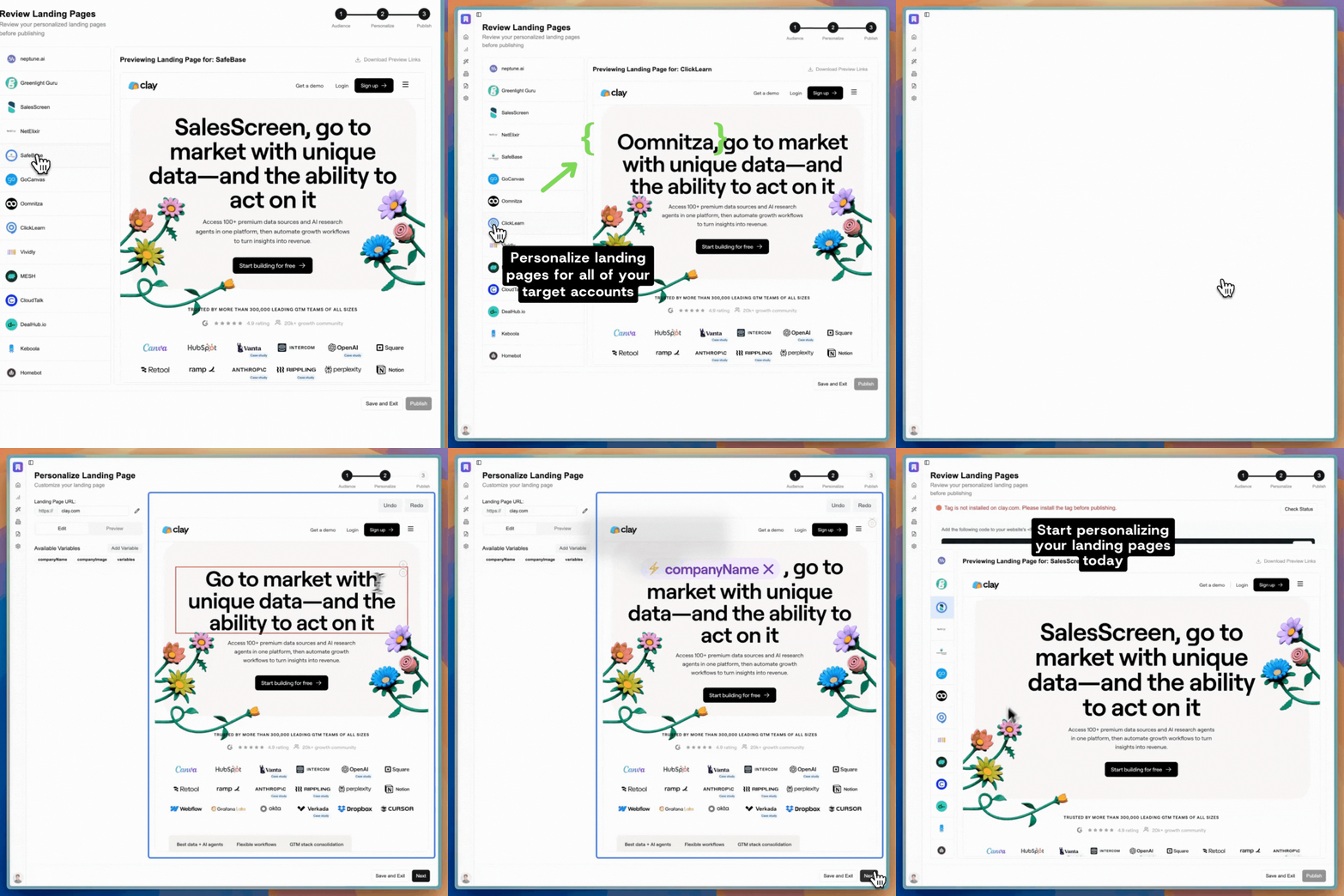
Integration Tactic 2: Personalized URLs (PURLs) and QR Codes. Bridge the gap between physical and digital by including PURLs or QR codes in your direct mail pieces. These unique identifiers can lead recipients to personalized landing pages, custom content, or even pre-filled demo request forms, providing a seamless transition from offline engagement to online conversion. This also allows for precise tracking of direct mail’s digital impact.
Summary: By strategically integrating direct mail into digital ABM workflows, marketers can create a powerful, synchronized approach that maximizes touchpoint effectiveness, enhances the buyer experience, and drives accounts closer to conversion.
Measuring ROI and Optimizing Your ABM Direct Mail Strategy
Proving Value and Continuous Improvement
Introduction: Demonstrating the return on investment (ROI) of direct mail campaigns is crucial for securing budget and proving their value within a data-driven ABM framework. Beyond simple response rates, a comprehensive measurement strategy is essential to understand the true impact of your offline efforts and identify areas for optimization. This section outlines how to effectively measure and refine your account-based direct mail strategy. The potential of direct mail in B2B marketing remains largely untapped, offering a significant competitive advantage to those who master its integration.
Measurement Metric 1: Pipeline Influence and Acceleration. Track how direct mail contributes to pipeline generation, influences deal velocity, and impacts win rates. By attributing specific direct mail campaigns to stages in the sales cycle, you can quantify its role in moving accounts forward and shortening sales cycles.
Measurement Metric 2: Engagement and Response Rates. Monitor key engagement metrics such as personalized landing page visits, demo requests, meeting bookings, and direct inquiries resulting from the mailer. Utilize unique tracking codes, dedicated phone numbers, or PURLs to accurately attribute these responses to your direct mail efforts.
Optimization Strategy: A/B Testing and Iteration. Like digital campaigns, direct mail benefits from continuous optimization. A/B test different elements such as package type, messaging, offers, and calls to action to identify what resonates best with your target accounts. Use these insights to refine future campaigns and maximize their effectiveness.
Summary: A robust measurement and optimization framework is vital for maximizing the impact of your ABM direct mail strategy. By focusing on pipeline influence, engagement metrics, and continuous testing, you can prove ROI and ensure your offline efforts are consistently driving value.
Overcoming Challenges and Future-Proofing Your Approach
Navigating Obstacles and Embracing Innovation
Introduction: While the benefits of integrating direct mail into ABM are clear, marketers may encounter challenges ranging from data management to logistical complexities. Proactively addressing these obstacles and staying abreast of emerging trends are key to building a resilient and future-proof account-based direct mail strategy. This section provides insights into common challenges and how to overcome them, alongside a look at the future of this powerful channel.
Challenge 1: Data Accuracy and Segmentation. The effectiveness of personalized direct mail hinges on accurate and up-to-date account data. Inaccurate addresses or outdated contact information can lead to wasted resources and missed opportunities. Implement robust data hygiene practices and leverage data enrichment tools to ensure your targeting is precise.
Challenge 2: Logistics and Scalability. Managing the production, fulfillment, and delivery of personalized direct mail for numerous accounts can be complex. Partnering with experienced direct mail automation platforms and vendors can streamline these processes, enabling scalability without compromising personalization or quality.
Future Trend: Hyper-Personalization and AI Integration. The future of ABM direct mail will see even greater levels of personalization, driven by AI and machine learning. These technologies will enable dynamic content generation, predictive analytics for optimal send times, and even AI-powered recommendations for gift selection, making campaigns more intelligent and impactful than ever before.
Summary: By anticipating and addressing common challenges, and by embracing technological advancements, marketers can ensure their account-based direct mail strategy remains a powerful and effective component of their overall ABM efforts, driving sustained engagement and measurable success.
Conclusion
The strategic integration of account-based direct mail into a comprehensive ABM framework is no longer a niche tactic but a vital component for achieving unparalleled engagement and driving significant ROI. By leveraging the tangible, personalized, and attention-grabbing nature of direct mail, businesses can cut through the digital clutter, create memorable experiences, and build stronger, more meaningful relationships with their most valuable accounts. This integrated approach not only enhances the customer journey but also provides a distinct competitive edge in a crowded marketplace. As the marketing landscape continues to evolve, the intelligent blend of offline and online strategies will be the key to sustained success in ABM, fostering loyalty and accelerating growth.
Frequently Asked Questions About Account-Based Direct Mail: Integrating Offline with ABM
Q: What is Account-Based Direct Mail?
A: Account-Based Direct Mail is a strategy that combines the targeted, personalized approach of Account-Based Marketing (ABM) with the tangible, impactful nature of direct mail. It involves sending highly customized physical mail pieces to key decision-makers within target accounts to enhance engagement and build relationships.
Q: Why is offline integration important for ABM?
A: In a digitally saturated world, where inboxes are overflowing and banner blindness is prevalent, offline integration, particularly through direct mail, serves as a powerful antidote, helping to cut through the pervasive digital noise. It provides a unique, tactile experience that can leave a lasting impression, complement and amplify digital efforts, and unequivocally demonstrate a higher level of personalization and investment in the target account. This physical presence can significantly elevate brand perception and recall.
Q: How can I measure the success of my ABM direct mail campaigns?
A: Measuring the success of ABM direct mail campaigns involves a sophisticated approach to tracking key metrics beyond simple response rates. This includes monitoring engagement levels, such as website visits from personalized URLs (PURLs), meeting bookings, and direct inquiries. Crucially, it also involves assessing pipeline influence and acceleration, and ultimately, the overall return on investment (ROI). To achieve comprehensive analysis and actionable insights, seamlessly integrating CRM and marketing automation platforms with advanced direct mail tracking tools is absolutely essential. This holistic view allows marketers to optimize campaigns for maximum impact and demonstrate tangible value.
Ready to supercharge your ABM with direct mail? Explore Karrot.ai’s innovative solutions today!



