


Introduction
It used to be the case that people’s attention was focused on radio, newspapers and other offline media outlets. So it was enough to take out ads on those platforms if you wanted to get in front of the right people.
But now it’s more complicated. Our attention is split across a variety of different platforms.
Table of Contents
Challenge
There are new marketing tactics popping up every day. It can be tough for busy entrepreneurs to stay on top of the latest trends, figure out the best ways to use different platforms, and become a master in every area of digital marketing overnight.
Hiring a team of experts to manage the more technical aspects of your marketing strategy allows you to focus on other areas of your business that you enjoy and do best rather than spend weeks or months trying to find the right person to hire and train.
In this article, we’ll go over how to evaluate digital marketing companies, the questions you should ask, and how to decide between hiring an agency or handling your marketing in-house.
What Marketing Agencies Do
The best digital marketing firms help you get more sales by leveraging different marketing tactics to attract your ideal customer. The services that agencies offer tend to vary a lot, but in general, you can expect to get these:Google Ads
Google Ads is a great way to capture the attention of potential customers right at the moment when they’re aware that they have a problem. Most people turn to Google to find solutions to their pain points, so running an Ads campaign that targets those prospects can be highly profitable.
SEO
Getting your articles to rank high in search isn’t just about building “brand awareness” or getting more page views. There’s more to it than that. By getting your content to rank high in search, you’ll be able to capture potential customers at the perfect stage in the buyer’s journey — right when they realize they have a problem and need your solution!
Facebook advertising
Facebook’s targeting features combined with their massive user base makes it a fantastic platform for virtually any business to see a healthy ROI. You can target by gender, education level, income, location, interests, status updates and even major life events.
Video advertising
YouTube reaches more 18-49 year olds than the top 10 primetime TV shows in the U.S. The massive audience combined with increased engagement that comes with video marketing also makes video ads a great place to see ROI. Video ads can be targeted by demographic, online behavior, location, interest, YouTube channel, and more.
Mobile marketing
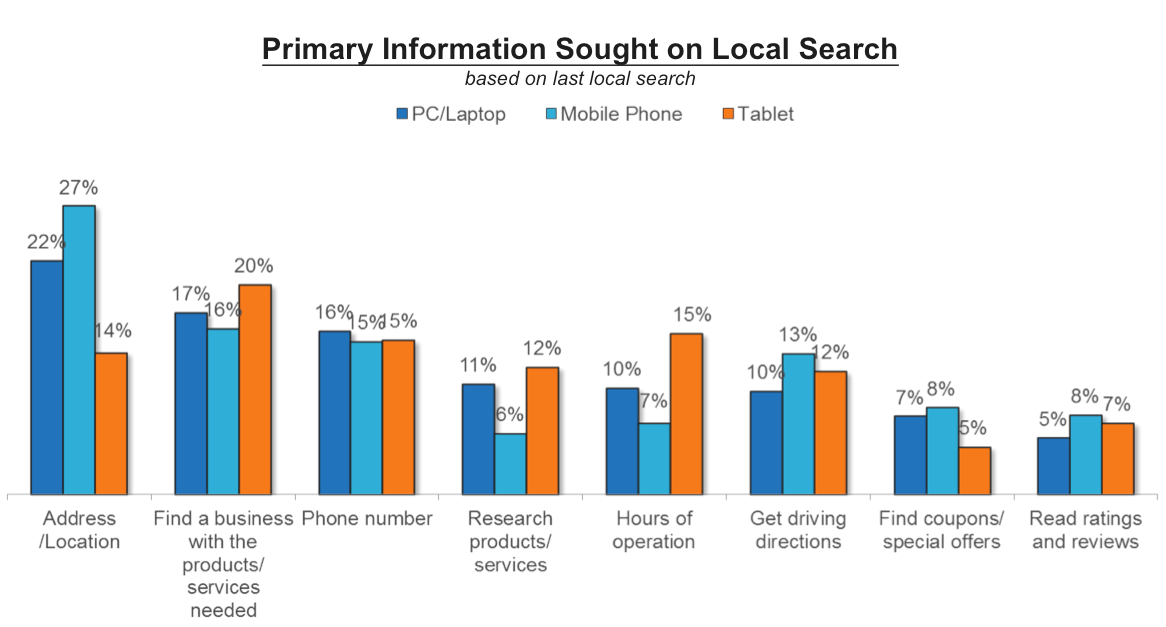
Over 50% of mobile searches lead to purchase. When that search is related to a local business, that number is even higher: 78% of local mobile searches result in offline purchases, and search terms indicate high intent to purchase as well. There are a variety of options that agencies have when it comes to mobile advertising, such as mobile YouTube ads, in-app advertising, and campaigns to boost mobile app installs.
Source: Search Engine Land
Content marketing
Content marketing is the fuel that built many multi-million dollar businesses. Most companies think creating content is about writing a few blog posts every week and slapping them up on a website. But those who care about sales over vanity metrics realize that it’s more complicated than that. Digital marketing services that agencies might offer within content marketing include blog post generation, infographic creation, SEO writing, content analysis, and social media promotion.
Email marketing
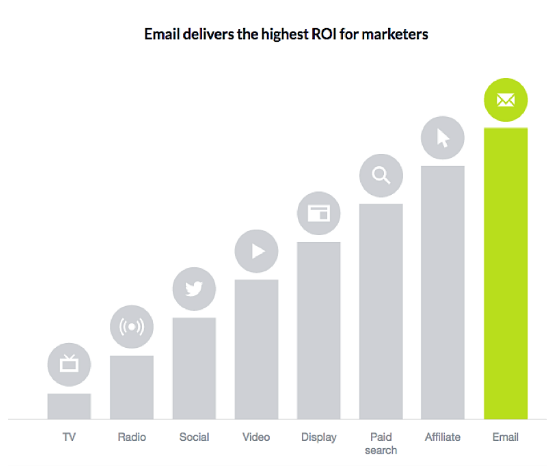
Email still generates the most ROI for marketers, even with all the new social networks popping up. In fact, for every $1 spent, email marketing generates $38 in return. Agencies might offer services like list building, engaging with your list so that it doesn’t go cold, segmentation or autoresponder sequence optimization.
At the end of the day, there’s one main factor that determines whether your site gets sales or not: Are your visitors taking the action that you want them to take? That means having the right site UX, form design and other elements to boost your lead generation and conversions. Agency services in this area could include conversion path analysis, CRO goal setting, identification of conversion metrics, and collecting data from website visitors.
Some performance marketing agencies are more specialized than others, but in general, they offer some variation of the services listed above.
But before you can pick the right digital marketing agency with the right services for your business, you have to ask yourself and your potential agencies a few questions.
Asking the Right Questions
What are your company’s marketing requirements?
The first step is to figure out your own company’s marketing requirements before looking for a recommended digital marketing agency.
Do you need website design? Email marketing? SEO? Analytics?
If you already have an in-house marketing team, ask yourself which marketing strategies does your team have the skills for? What are the marketing tactics that you know you “should” do but haven’t gotten around to yet?
These are the sorts of questions that will shed some light on what you can outsource to an agency to get more efficient results.
How do they run their own business?
One of the best signs about an agency that will indicate what they can do for your business are the results they’ve generated for themselves.
If you’re thinking about hiring an agency for blog management, how do they run their own blog?
If you’re thinking about hiring them for social media promotion, how do they handle their own social media accounts?
If you want to hire them for SEO, how do they rank in search for terms in their industry?
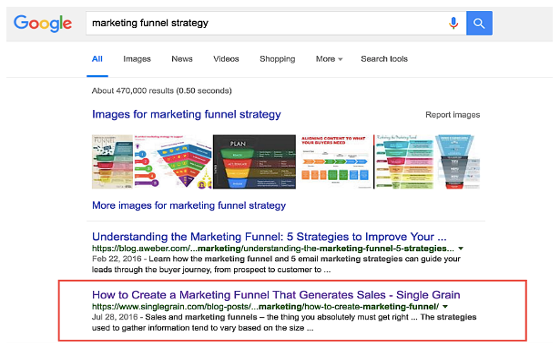
We rank highly on Google for our target keywords, including “marketing funnel” and “SEO techniques.” :-)
You can verify these details on your own, and also ask the digital marketing service provider.
If they don’t “practice what they preach” for their own business, then it could be a red flag that they don’t really believe in or are capable of the services that they offer.
What are their KPIs?
Most businesses track vanity metrics, numbers that might seem like they matter but have no real correlation to generating revenue for the business. For example, the number of “likes” you get on a post can be considered a vanity metric because it doesn’t always translate directly to sales.
The last thing you want is for an agency to charge you premium rates every month and only deliver more likes on your posts but no boosts in sales. How will they measure your success? Be sure to ask the agency this as you’re looking through your options.
Here are some important metrics in digital marketing:
Number of unique visitors
Depending on how solid the rest of your marketing funnel is, a boost in traffic could be directly correlated with a boost in conversions. But if you’re not sure exactly who your target market is, generating massive traffic to your site and measuring their interaction with your site could be a great, quick way of figuring that out.
Time spent on site
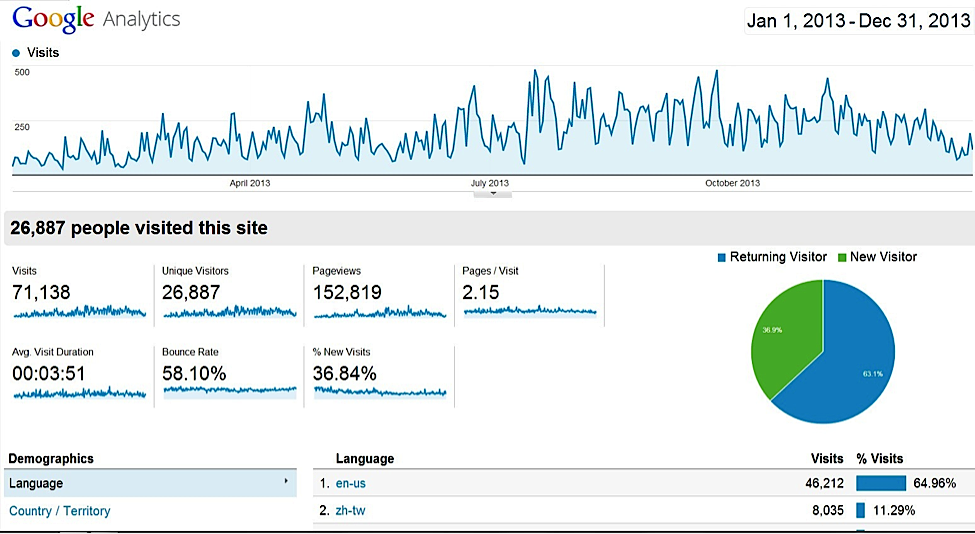
The number of minutes users spend on your site is data that shows how interesting and relevant your content is. If your content is highly relevant to their specific situation, then visitors will spend a relatively long time on your site. If not, then your content could probably be more targeted. Google loves using this metric when ranking content in search because it shows how valuable your website or blog is to a reader who searched for your keywords.
Other factors could influence time on your website as well, such as page speed. You can track your average time on site through the “average visit duration” statistic in Google Analytics.
Source: Engage the CROwd
Traffic source numbers
It’s important to find out which channels users are visiting your site from. For example, if you find that most of your traffic is coming through a particular article that ranks high in search, then you’ll want to produce more content similar to that one. In addition to that, it’s important to measure what what type of traffic you’re getting. Are most of your visitors referral traffic from other websites? Are you getting most of your traffic from specific marketing campaigns? Are you getting organic traffic from search?
Bounce rate
Bounce rate shows the percentage of visitors that leave your site after they land on it. High bounce rate could indicate that the content on your site is not relevant or valuable.
Cost per click
Cost per click is a purchasing model for paid ads where you pay each time your ad is clicked.
Click-through rate
Click through rate measures the number of times your ad has been clicked versus the number of impressions it received. This helps analyze how targeted your ad copy is.
Social interactions
If you’re hiring a digital marketing consultancy for social media management, then you’ll want to identify some KPIs in this area. Social interaction KPIs can help measure the extent to which your social media efforts help generate conversions.
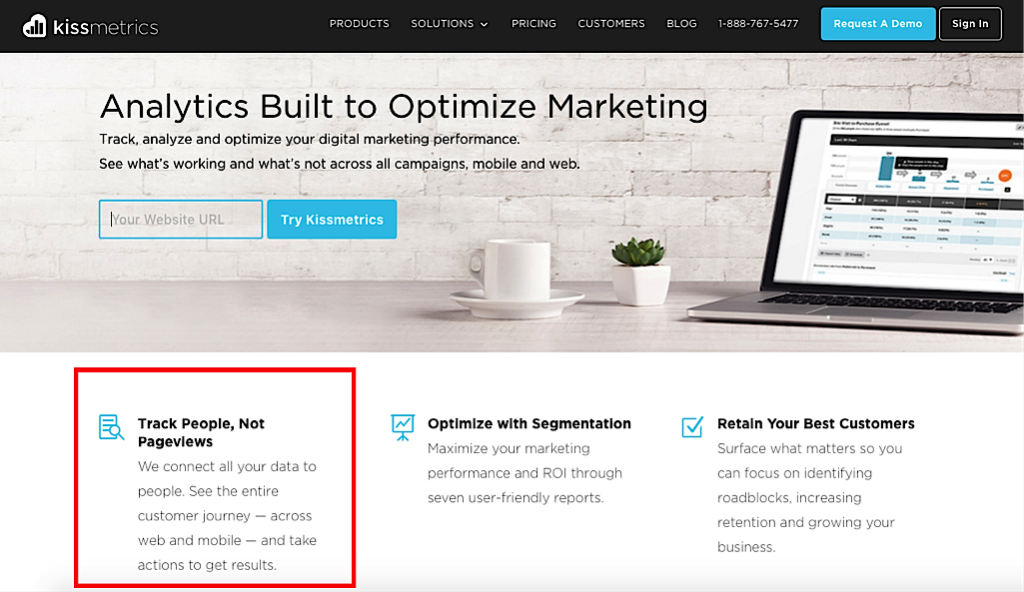
If you or your agency use a tool like KISSmetrics, you’ll be able to track the entire customer journey of people who come to your site through social media. That way, you can track exactly how many buyers your social media posts are generating, not just likes or shares.
What results do they promise?
When you’re in an industry that has a low barrier to entry, you’ll inevitably have to deal with people who claim to know what they’re doing, but actually have no idea.
Marketing is one of those industries.
There are plenty of marketing agencies that promise the world to customers just to close the deal, but lack the staff and the skills to deliver. In the worst cases, they keep charging you money every month and say that it will take a long time to see organic traffic results, even though they know that their actions will never deliver results.
Agencies also should not guarantee bottom-of-the-funnel results because there are just too many factors involved which are specific to each company that might result in differing ROI. For example, you could make all the right moves when it comes to your marketing, but results will take longer if you’re in a more competitive market.
You can filter out scammy or low-quality agencies by asking them for their “secret sauce.” What makes them different? What’s their strategy for getting you results?
For example, according to Social Media Examiner, a good question to ask at this stage is: “How are you going to help with content creation?” A good answer might go something like this:
First we’ll start by creating a publishing schedule. This is a list of keyword rich headlines which gives us a framework for the types of content we want to produce. Ideally, the content comes from within your organization, but if you don’t have the resources, we can help procure a professional writer who has experience with your industry.
Either way, we will have our SEO experts review and optimize the content before it’s posted to your website.
Additionally, we can leverage the content you’re already producing (whitepapers, case studies, webinars, emails, sales presentations, etc.). These assets can be transcribed, organized, and optimized to draw relevant traffic from the search engines.
According to Neil Patel, here are some common red flags to watch out for when hiring a marketing agency:
Be extra careful with hiring marketing agencies from overseas.
You tend to get what you pay for. If you find agencies that charge low prices, you might think you’re getting a great deal, but in reality you’ll likely have to deal with poor service.
Look up agencies on the Better Business Bureau website to see their ratings.
What do they charge?
You can easily filter out low-quality agencies through price. Many businesses want to save money, so price is usually the first thing they ask about. However, if you find an agency that charges low prices, then chances are they deliver low-quality results too.
Think about it from their perspective: if an agency prices itself too low, then they make lower margins on their services. In addition to that, they’re less likely to go the extra mile for your business because there’s not much incentive. Top digital marketing agencies that charge higher prices tend to treat their clients with more generosity because they can afford to do so. Don’t cut corners when finding the right agency for the job.
Learn more about the various agency pricing models that you’ll come across.
Should You Go In-House or Hire an Agency?
If you run a small or mid-sized business, chances are you’re asking yourself this question. Should you hire a marketing agency, or go in-house?Let’s start by thinking about what it takes to run a successful marketing campaign. Here’s a general list:
Understanding
Before running a successful marketing campaign, you need to have deep insight into your customer’s behavior. Most marketing messages end up sounding generic because most companies don’t take the time to truly understand their customers and the stories behind their problems.
Processes
Scaling anything requires proper documentation of systems, processes, and workflows that go into completing a specific task. That means having a structured system to follow when you create a blog post, run a PR campaign, run social media promotions or paid ads, etc.
Tools
Inbound marketing campaigns require a variety of tools from start to finish. For example, you might need email marketing tools (like MailChimp or Drip), analytics tools (like Google Analytics or KISSmetrics), communication tools like Slack, and more. These tools help you accomplish your key tasks and hit your goals more efficiently.
Consistency
One of the most important skills when it comes to inbound marketing is patience. Typically, noticeable results only come in after several months and some of the most successful companies have been consistently putting in effort over the course of many years.
Quality
It’s easy to write random blog posts, but can you write quality content that your specific target audience will love to read? That’s what separates decent blogs from truly great ones.
Experience
Lastly, you should make sure that you have experience designing and running some portion of inbound marketing campaigns.
Hitting these different criteria takes time. It’s not easy to publish high-quality content that your audience values consistently, or document rock-solid processes that keep your systems on track. Hiring an agency can help you avoid the cost of getting yourself and your team up to speed as well as avoid getting sidetracked from other important things you have to do in business (like closing deals or getting investors).
If you hire the best digital marketing firm, you’ll get a team of skilled and certified experts who work for you every single month. You won’t have to worry about assembling your own content team. In fact, you’ll have more people working for you to get results, which can help accelerate your results.
However, the downside is that you won’t be able to oversee every detail of what the agency does on a day-to-day basis for your company. Because of that, there is a risk of the relationship not working out, which is why it’s important to choose an agency that also vets you as a client to ensure that the relationship will be a successful one.
Since entrepreneurs tend to crave control, that might be be more difficult than it sounds for some people.
Also, although you may think that the expense of hiring an agency is a downside, it can often be more expensive to hire and train a team in-house to fill necessary roles.
Putting It All Together
Before deciding on whether you should hire a marketing agency or do your marketing in-house, make sure that you understand what goes into launching successful inbound marketing campaigns. You should:- Make sure you understand your target market at a deep level
- Understand the tools you need to use to keep things efficient
- Stay consistent with your marketing efforts, and know that you’ll have to wait several months to see results
- Produce high-quality content that your audience finds useful
- Have experience running inbound campaigns that generate ROI
If you have doubts about your ability to generate ROI through a marketing campaign, then you may find it easier to hire an agency to take care of everything for you. Digital marketing agencies can handle the systems, processes, and workflows that go into running campaigns from beginning to end. They have a structured process to follow when they create blog posts, run social promotions, etc.
When you start looking for an agency, here are some things to keep in mind:
- Define your marketing requirements before you start looking
- Be extra careful about hiring marketing agencies from overseas
- Check out how the agency runs their business, and understand what metrics they value most
- Make sure that they don’t overpromise, or guarantee results
- You tend to get what you pay for — low fee often means poor service
- Look up agencies on the Better Business Bureau website to see their ratings.
The best digital marketing companies could generate millions of dollars in revenue for your business, give you peace of mind by handling everything for you, and allow you to avoid the cost of setting up a team in-house. That way, you can focus your time on your strengths, and perfect what you’re already good at instead of worrying about your weaknesses.


